Watercolor vs Oil Painting: How I Choose the Right Medium for an Idea
As a landscape artist, one of the first decisions I make is not about composition or color palette. It is about medium. Before the first brushstroke ever touches paper or canvas, I ask myself a simple question: What do I want the viewer to feel?
Both watercolor and oil painting are powerful in their own ways. They each have distinct properties that influence mood, movement, texture, and impact. Over time, I have learned that certain ideas naturally lean toward one medium over the other. Choosing well allows the concept to fully come alive.
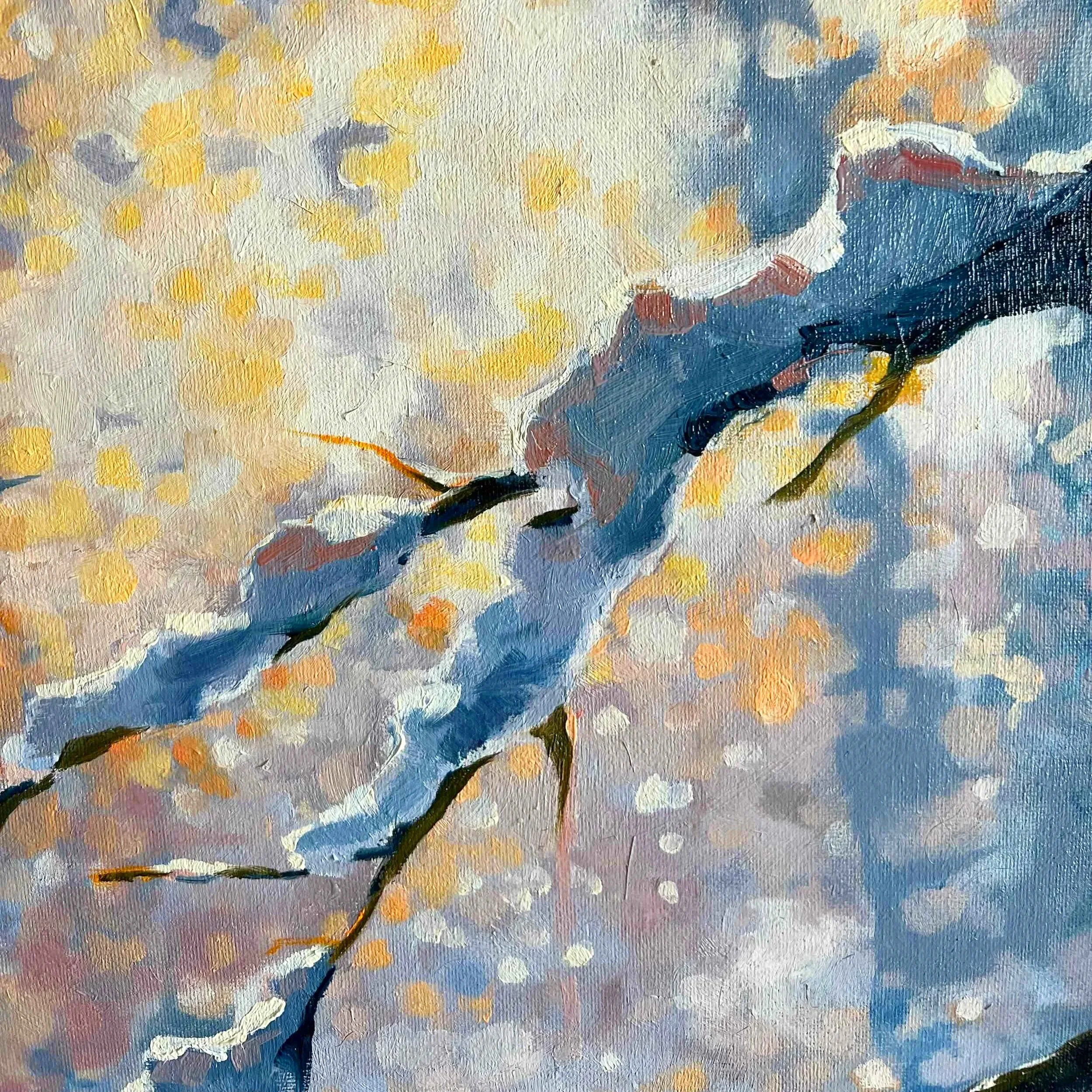
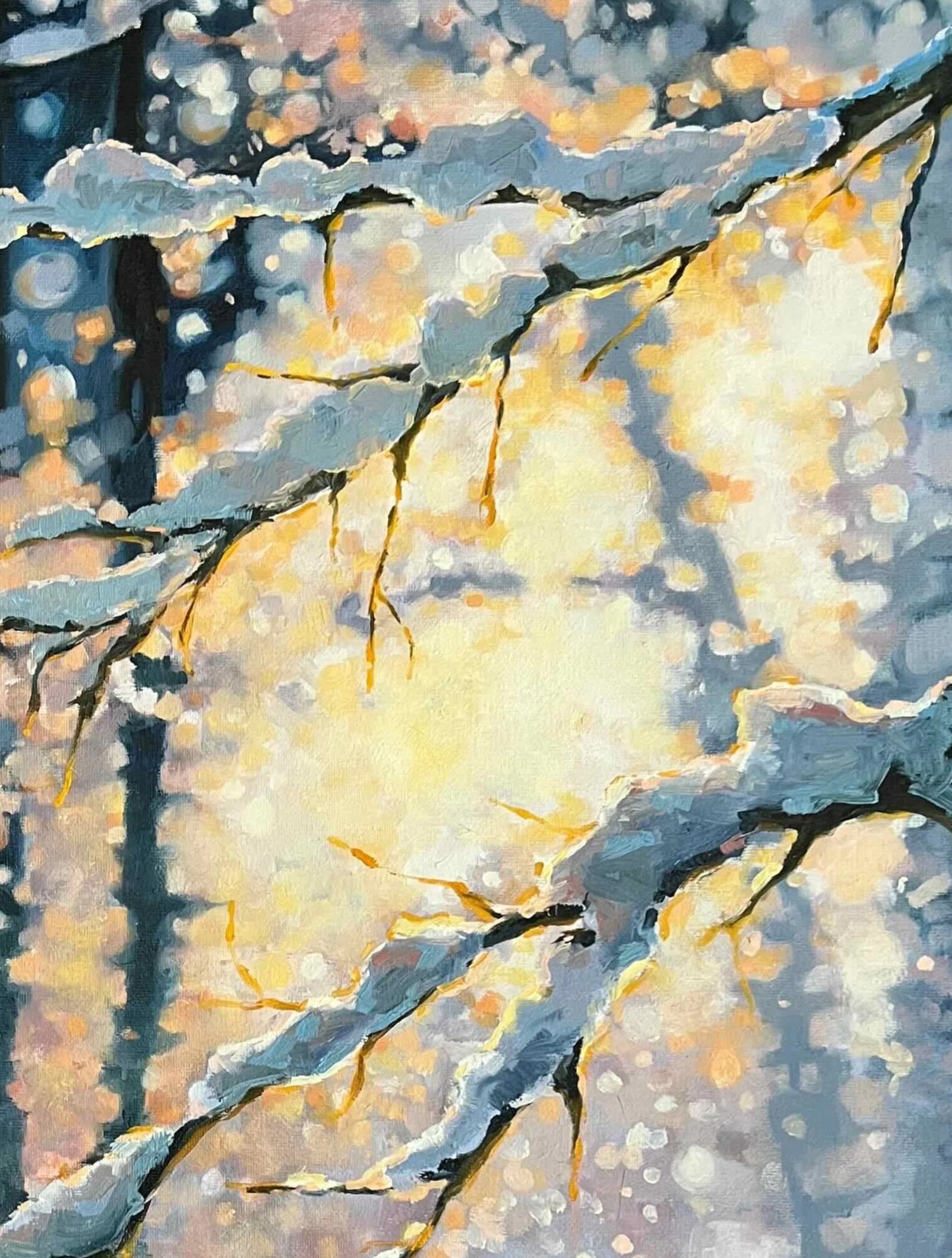
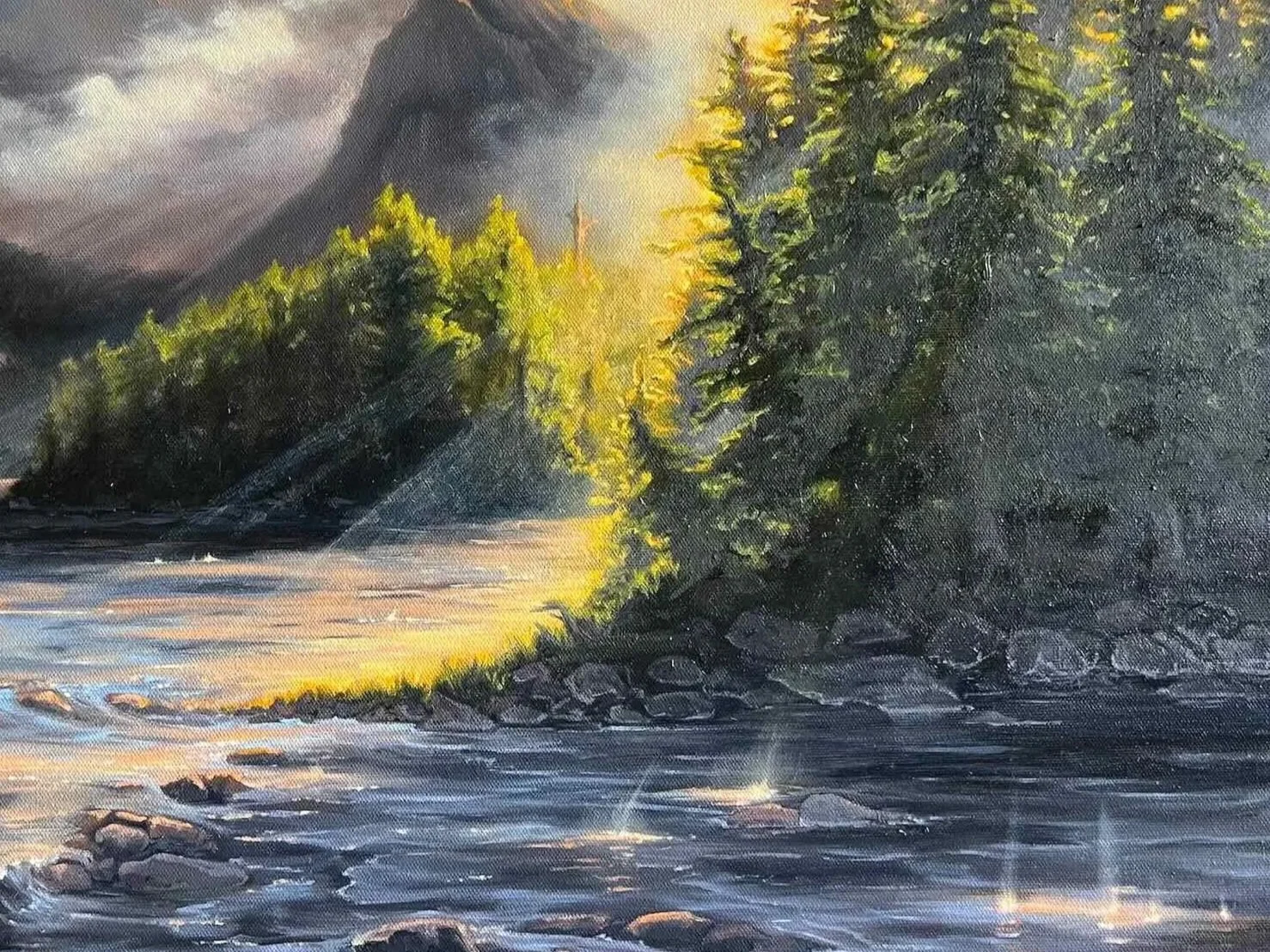
Detail of an oil painting by Lindsay Godfrey.
The Nature of Watercolor
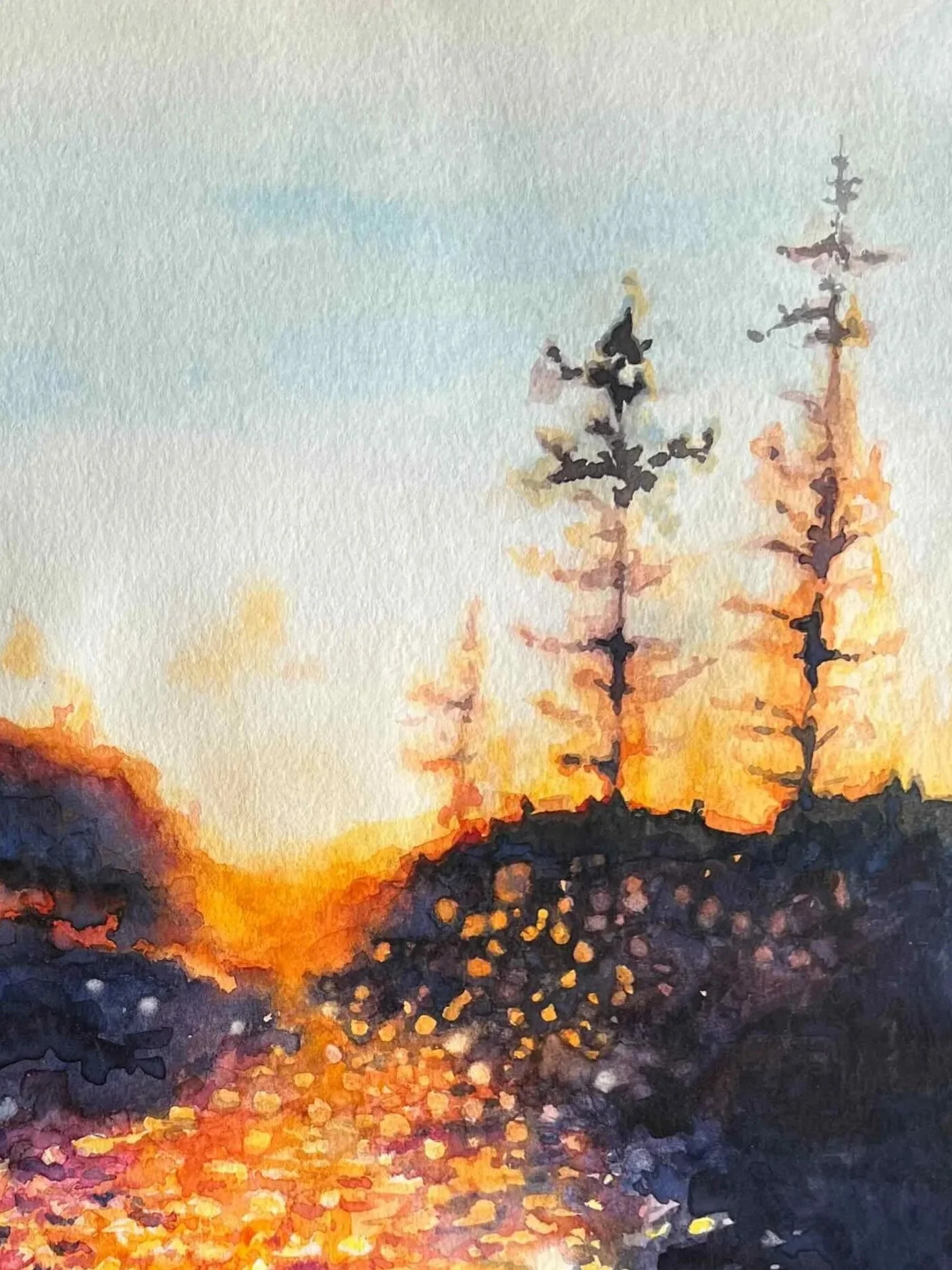
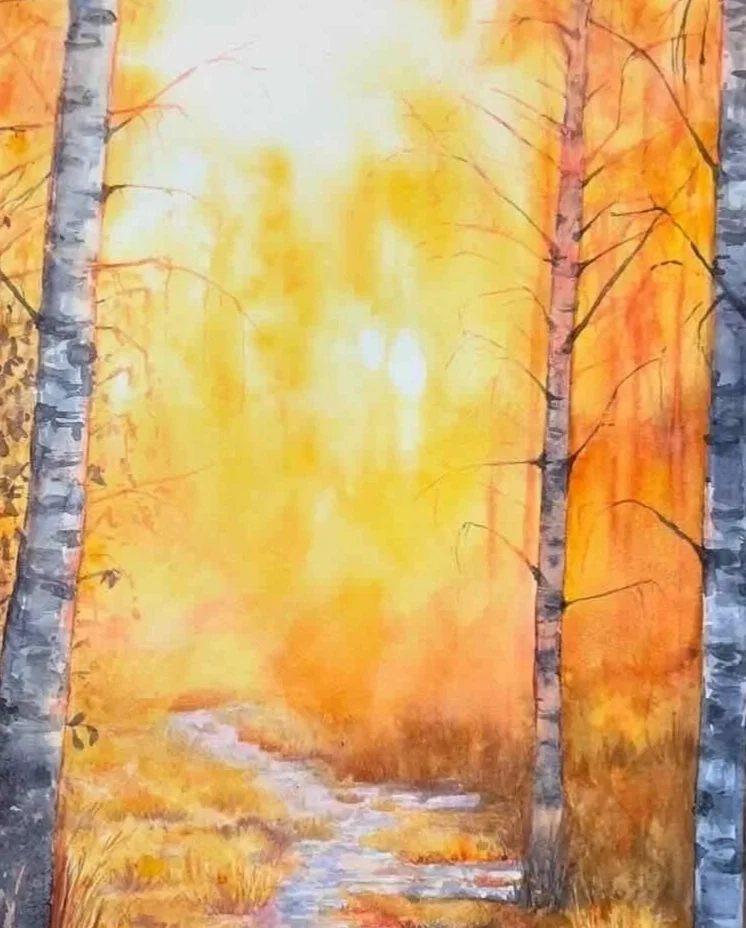
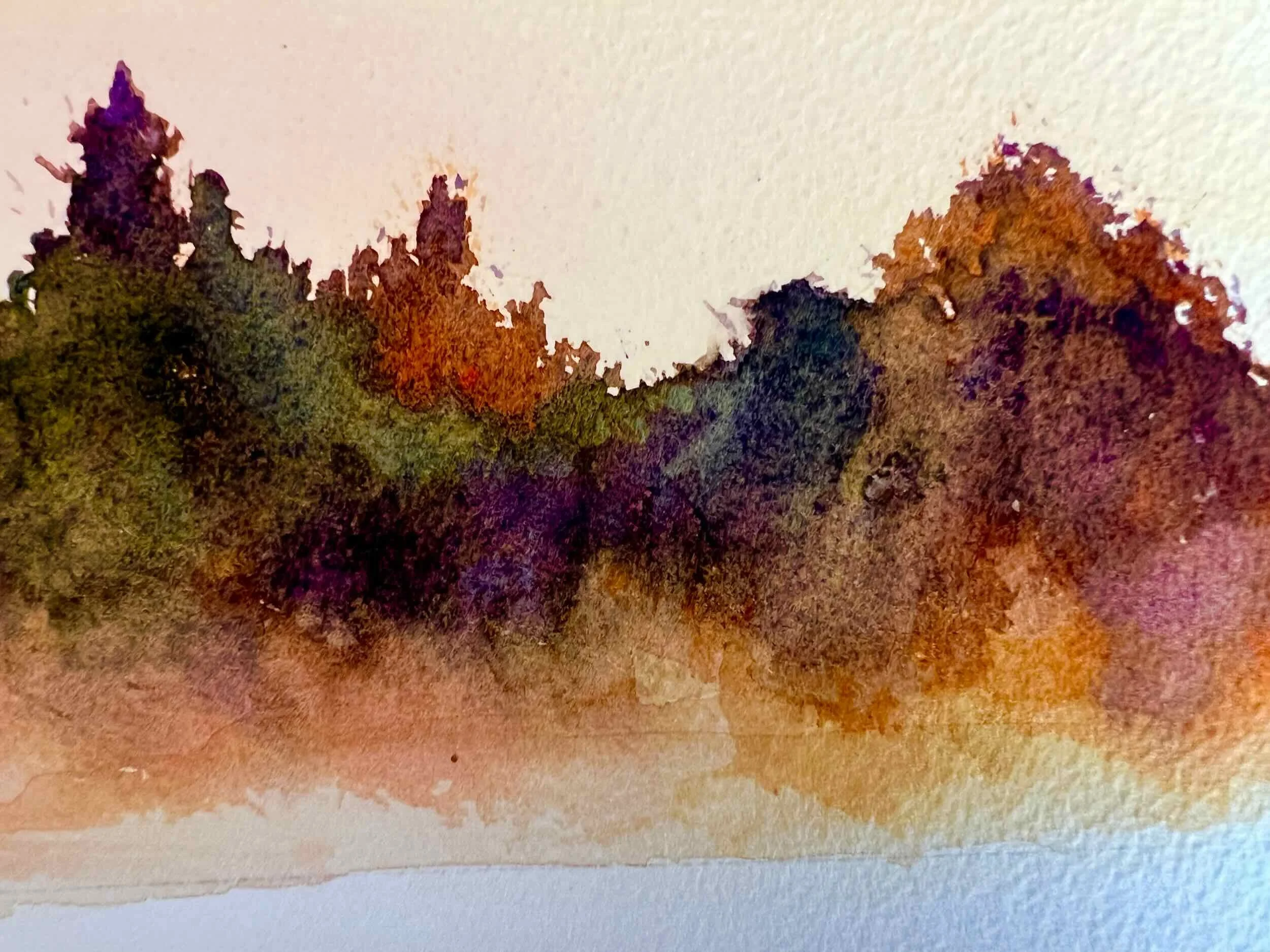
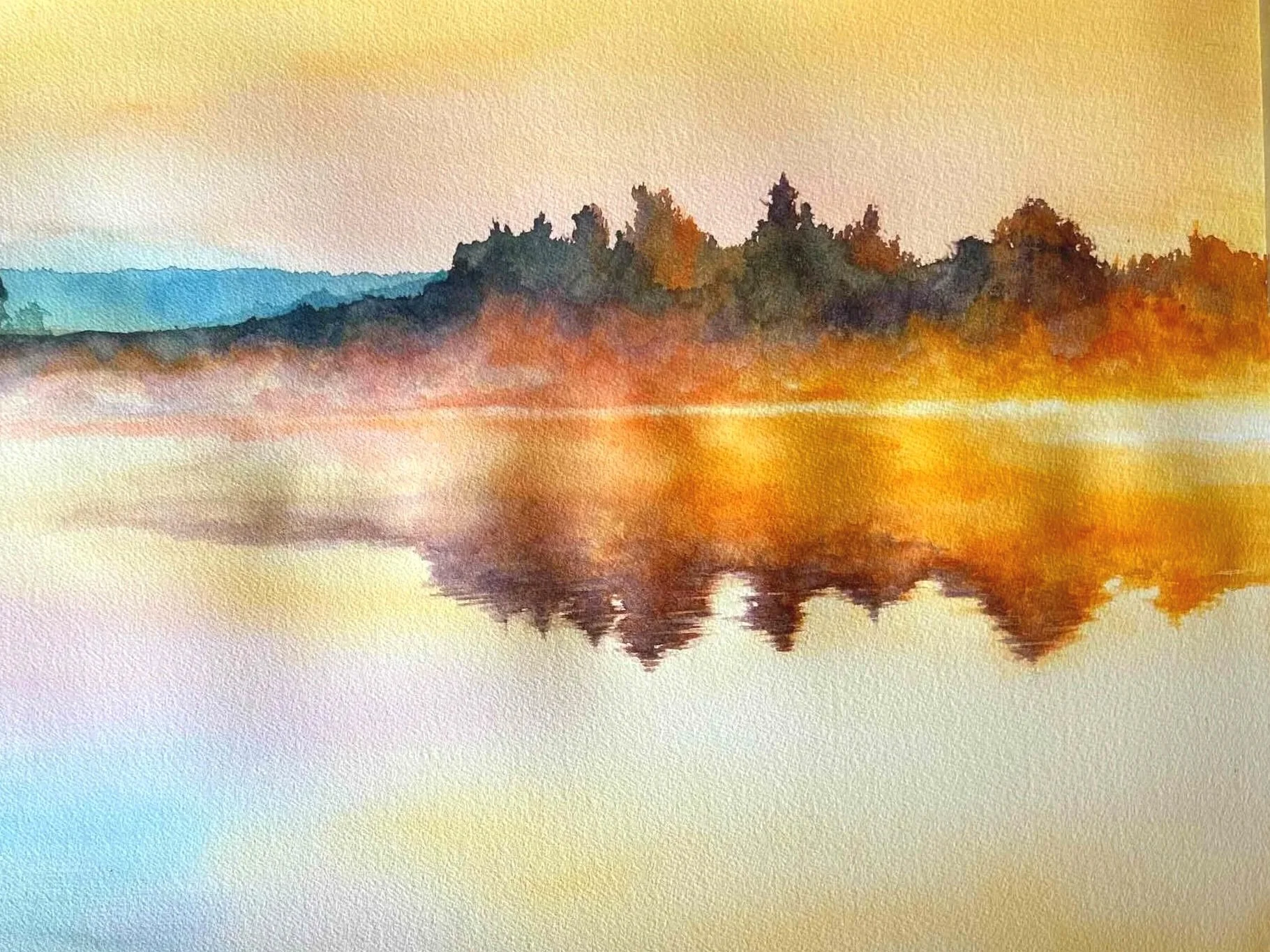
Watercolor is fluid and alive. It moves in ways that can never be entirely controlled, and that is part of its magic. The transparency of the paint allows light to bounce off the white of the paper, creating luminosity that feels airy and open.
When I want to emphasize:
Movement in the sky
Soft atmospheric transitions
Organic blending of color
A quiet, intimate mood
watercolor often becomes the clear choice.
The way pigments bloom and blend on wet paper creates organic shapes that feel natural and atmospheric. It lends itself beautifully to expressive skies, shifting light, and subtle layers of depth. While I paint mist in both mediums, watercolor allows me to suggest it with softness and lifted edges that feel especially fleeting.
Watercolor also tends to invite smaller, more intimate works. There is something personal about holding a painting in your hands and noticing the delicate shifts in tone. When the subject calls for subtlety, quiet emotion, or a sense of immediacy, watercolor allows that story to unfold gently.
The Strength of Oil Painting
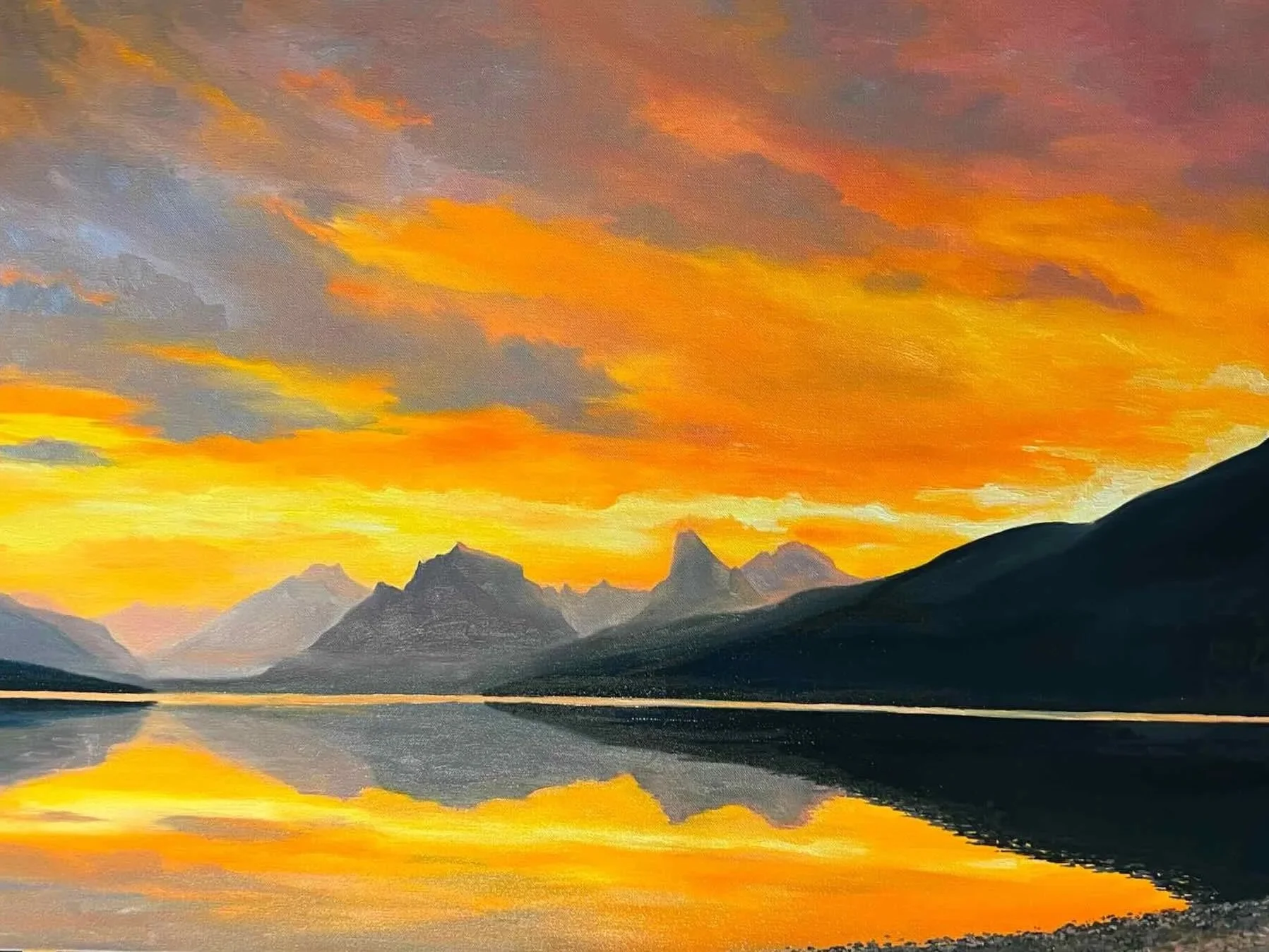
Oil painting carries weight. It has presence. The pigment is richer, thicker, and more saturated. When I want to emphasize bold color, dramatic light, or depth, oils rise to the surface as the stronger choice.
With oils, I can:
Build layers slowly over time
Adjust and refine details
Create physical texture through impasto
Develop deeper contrast and richness
The ability to layer is one of oil painting’s greatest strengths. I can revisit areas, modify edges, strengthen shadows, and push highlights in ways that watercolor simply does not allow once it has dried.
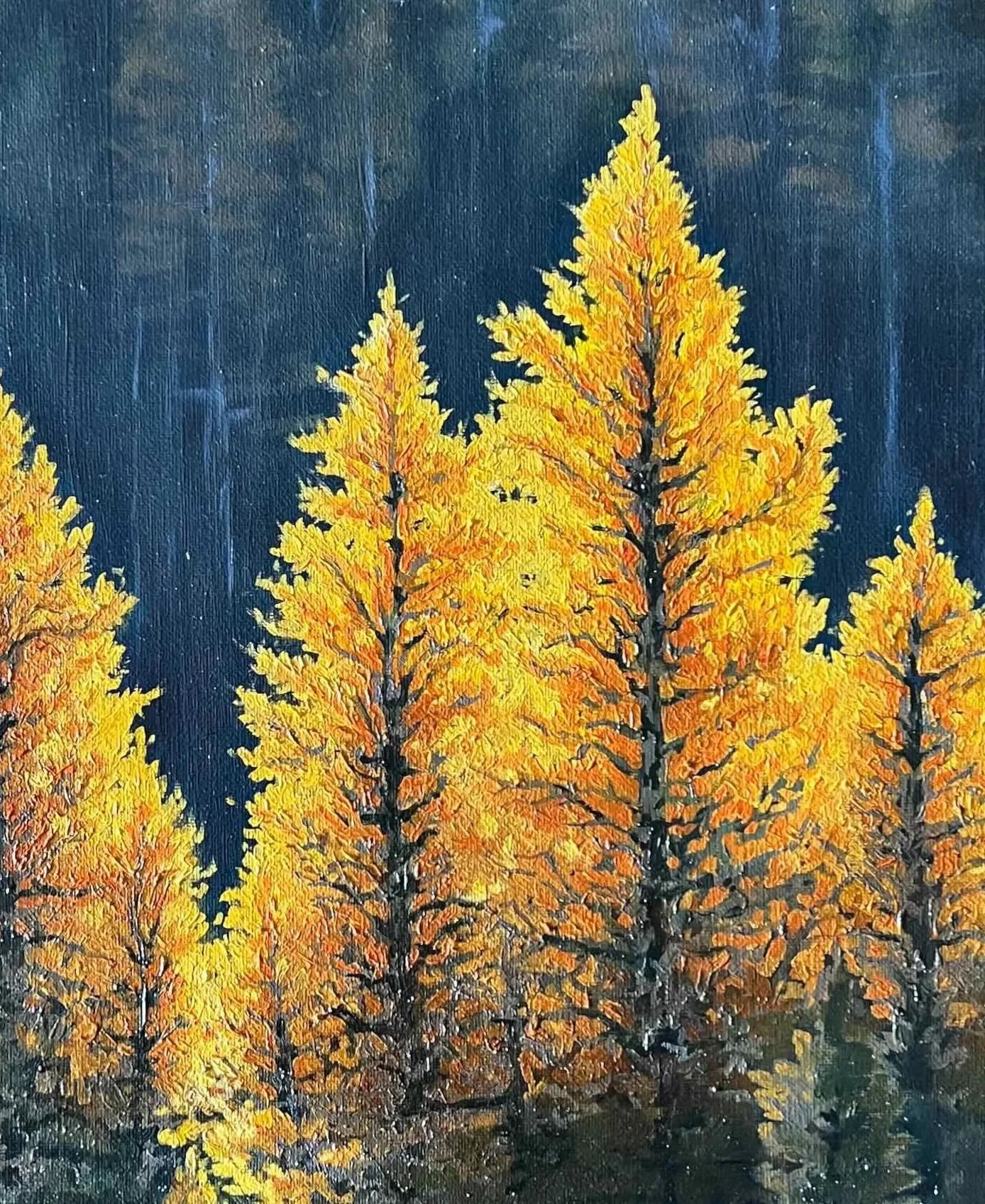
Texture also becomes a physical experience. In watercolor, texture is often implied through brushwork and value shifts. In oil painting, texture can be literal. Thick paint catches the light and creates dimension on the canvas itself. When I paint mist in oils, I approach it differently, building softness through layered glazes and controlled blending rather than relying on the natural flow of water.
If I want a landscape to feel bold, grounded, and substantial, oil painting often carries that intention more clearly.
Choosing Based on Emphasis
Because I primarily paint landscapes, the decision usually comes down to emphasis. What part of the scene matters most?
If atmosphere and movement are the focus, watercolor shines.
If structure, contrast, and depth of landforms take priority, oil painting often serves better.
If I want a quiet whisper, I reach for watercolor.
If I want a confident statement, I reach for oils.
Neither medium is superior. They simply speak different visual languages.
The Role of Intuition
Beyond technique and properties, there is another layer to the decision: intuition.
Some concepts immediately arrive in one medium. I do not analyze it. I just know.
A soft, early morning scene might instantly feel like watercolor. A glowing sunset over bold terrain might feel undeniably like oil. Over time, I have learned to trust that instinct.
The more I paint, the more clearly I can sense what each idea needs. Listening to that quiet pull toward one medium or the other has become part of my creative process.
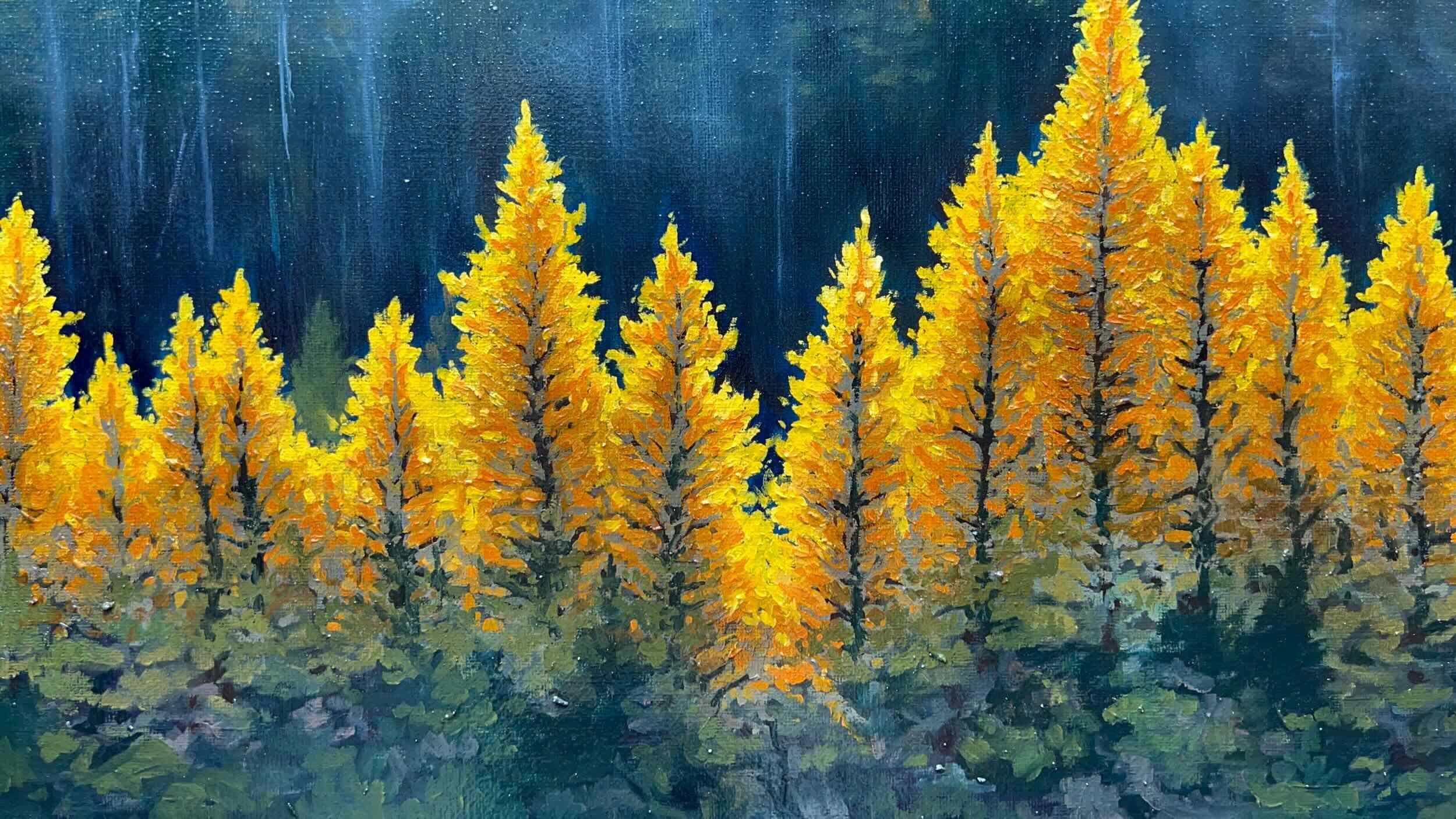
Detail of texture made by oil paint.
Letting the Idea Lead
The medium is never the starting point. The idea is.
When I allow the concept to guide the decision, the process becomes more natural and cohesive. Instead of forcing watercolor to behave like oil or oil to imitate watercolor, I lean into their strengths.
Both media challenge me in different ways. Both continue to teach me. And both allow me to express the landscapes I love with depth and intention.
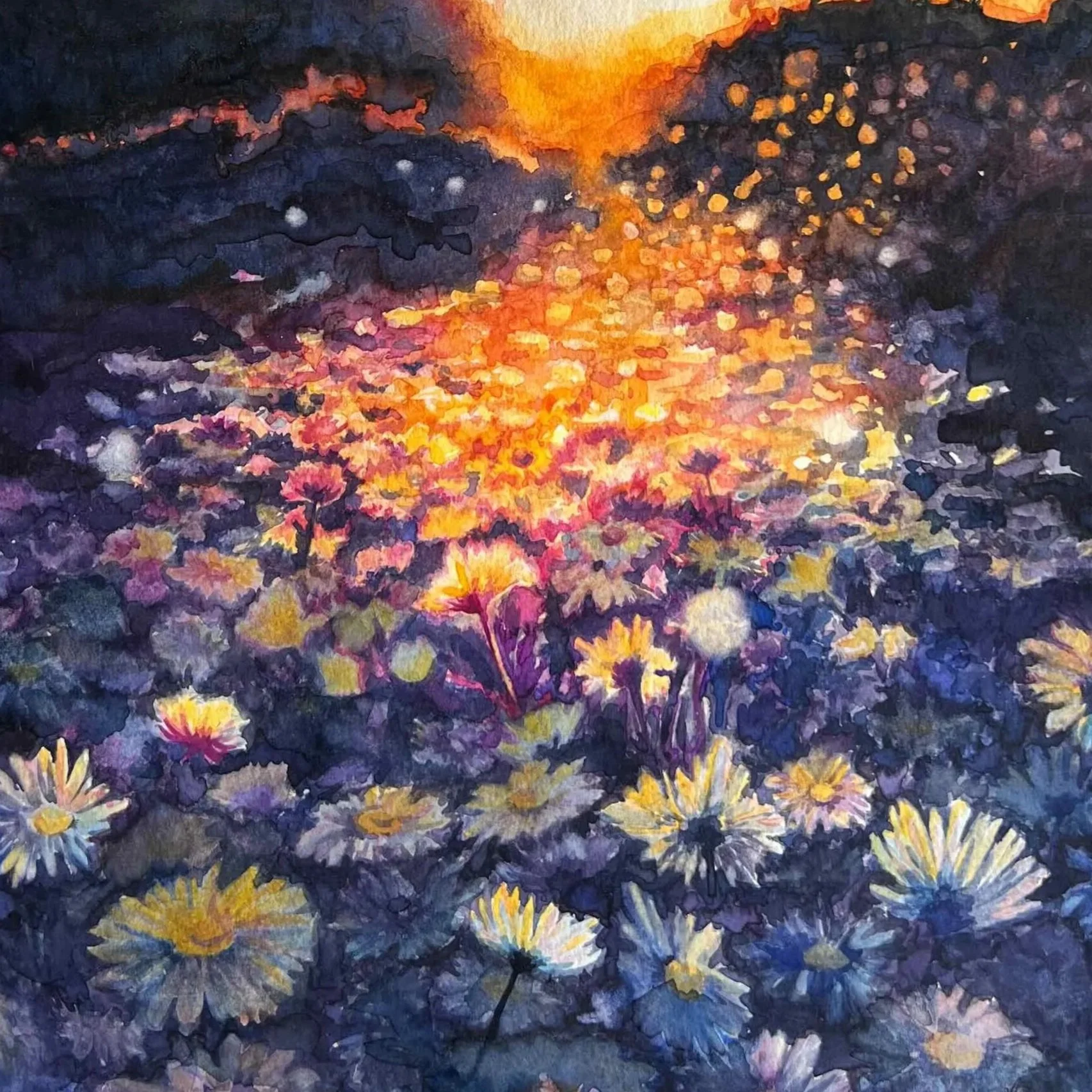
Watercolor painting detail by artist, Lindsay Godfrey.
If you are exploring multiple media yourself, consider asking what you want your viewer to feel. Do you want softness or boldness? Intimacy or impact? Movement or texture?
The answer might just point you toward the right brush to pick up next.
If you enjoy learning more about my creative process and how I approach different techniques, I invite you to explore more posts on the blog or join my newsletter for behind-the-scenes insights and upcoming studio updates.