Teaching What I’m Still Learning: How Instructing Shapes My Own Art Practice
They say the best way to learn something is to teach it, and the more time I spend building workshops, the more convinced I am that this is true. Teaching is not simply about demonstrating a process or sharing a few techniques. It has become one of the most important ways I continue to grow as an artist myself.
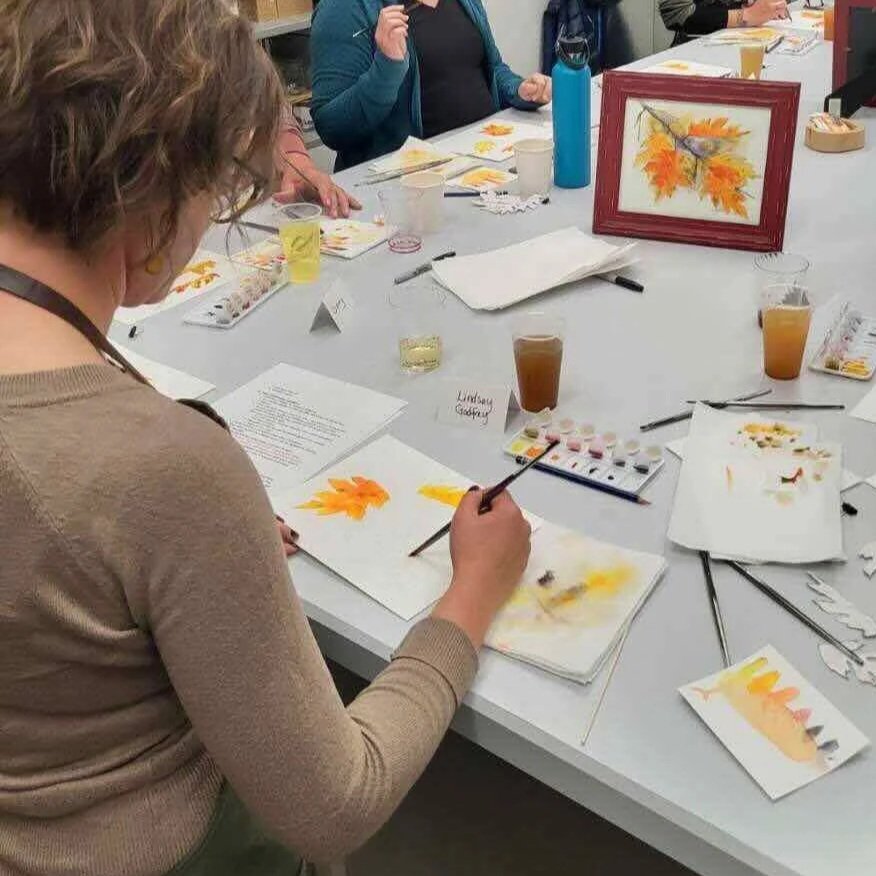
L Godfrey instructing a watercolor workshop.
Designing Workshops That Encourage Discovery
When I begin planning a new workshop, my focus is on creating an experience that introduces students to something meaningful and engaging. Many of my classes are centered around watercolor, but I also enjoy leaving room for techniques and ideas that could apply to other media as well. No matter the medium, my goal is the same: each workshop should offer something new.
I try to include at least one technique, concept, or approach that I have not previously taught. This keeps my classes fresh for returning students, but it also keeps me learning. If I want to introduce a new method in a workshop, I first need to understand it deeply enough to explain it clearly and demonstrate it with confidence. That means spending time experimenting in my own studio, testing materials, and practicing the technique until I feel comfortable guiding others through it.
Exploring the Depth of the Medium
That process has pushed me to explore many more facets of painting than I might have otherwise. Watercolor, in particular, is a medium with remarkable depth. The relationship between water, pigment, and paper offers endless opportunities for experimentation. As I design workshops around different subjects and techniques, I often find myself diving into research and practice to better understand how certain effects are created.
The internet has made this exploration easier than ever. It is full of artists generously sharing their processes, demonstrations, and insights. While researching ideas for workshops, I have encountered many wonderful artists and experts discussing their work and the ways they approach their materials. Seeing how others solve visual problems or create certain effects often sparks new ideas that eventually make their way into my own teaching and artwork.
The Value of Repetition
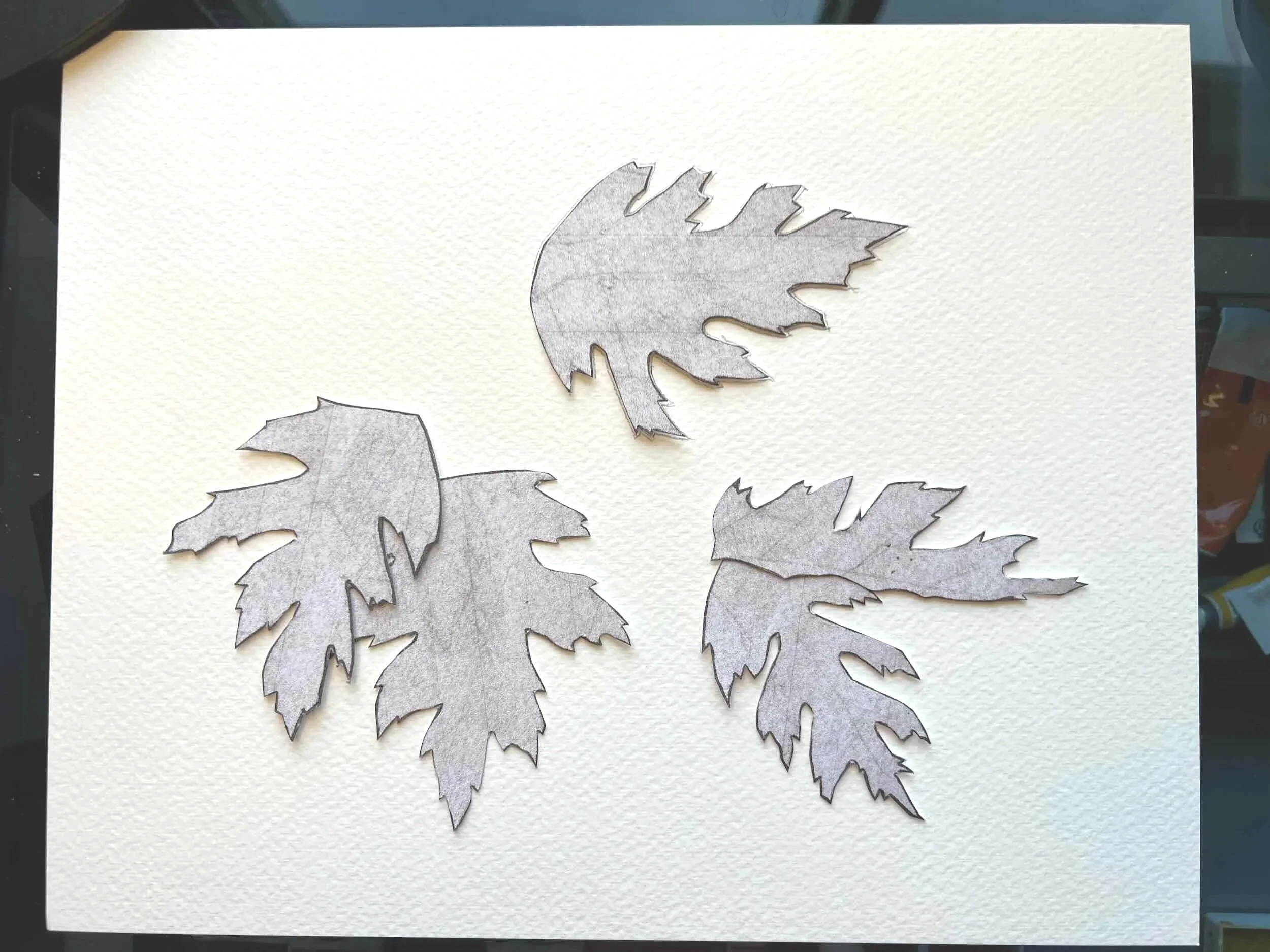
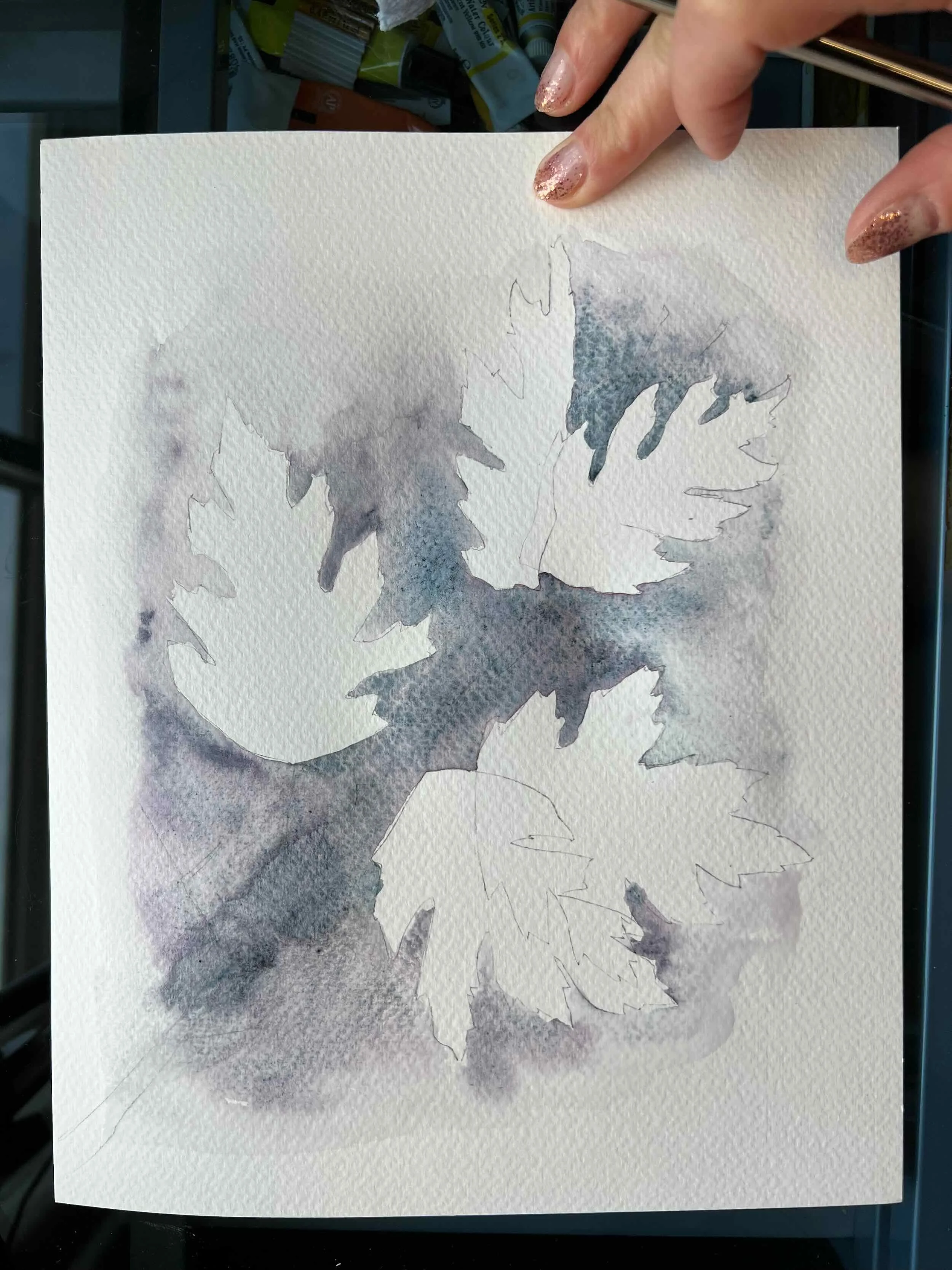
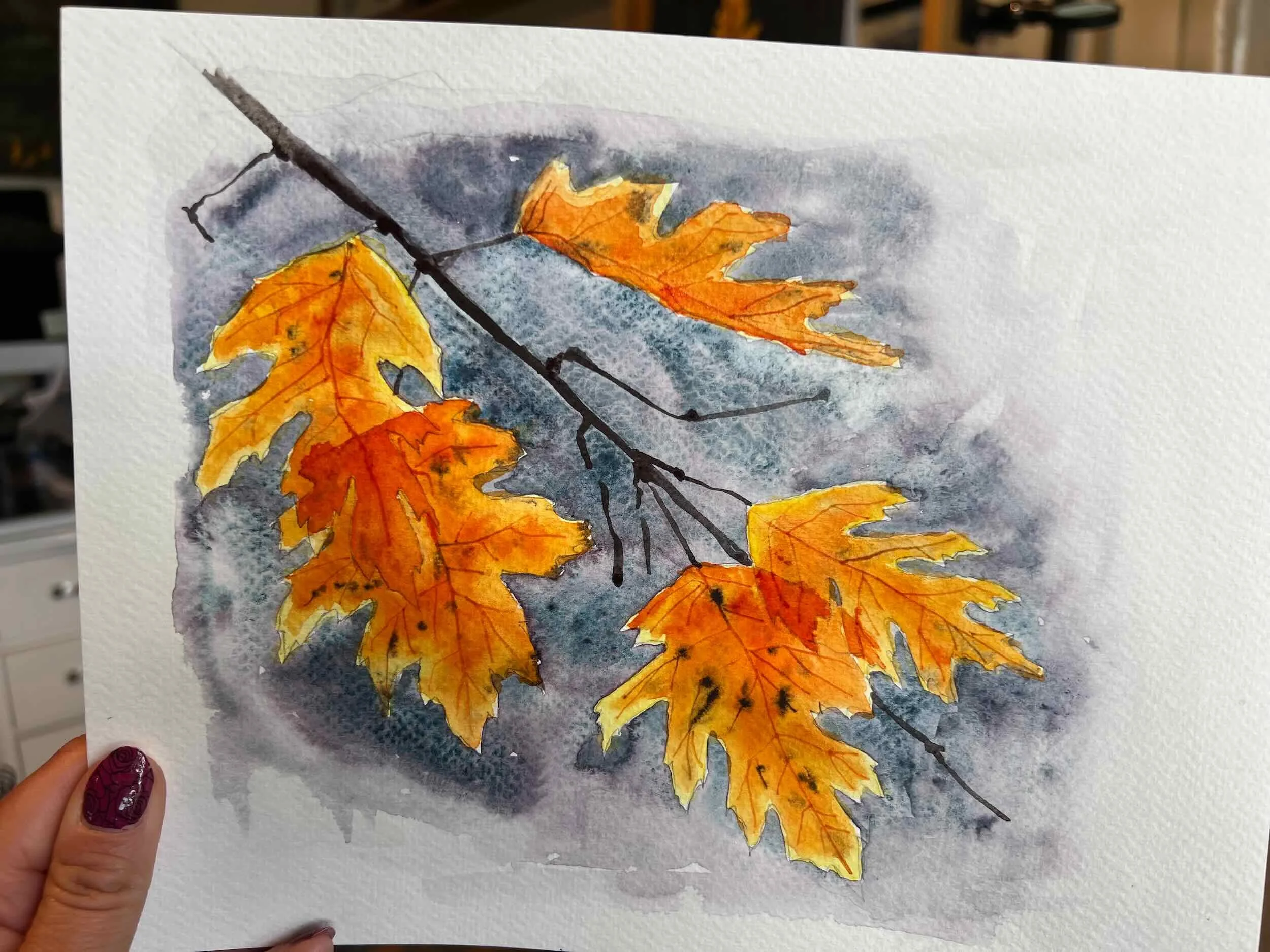
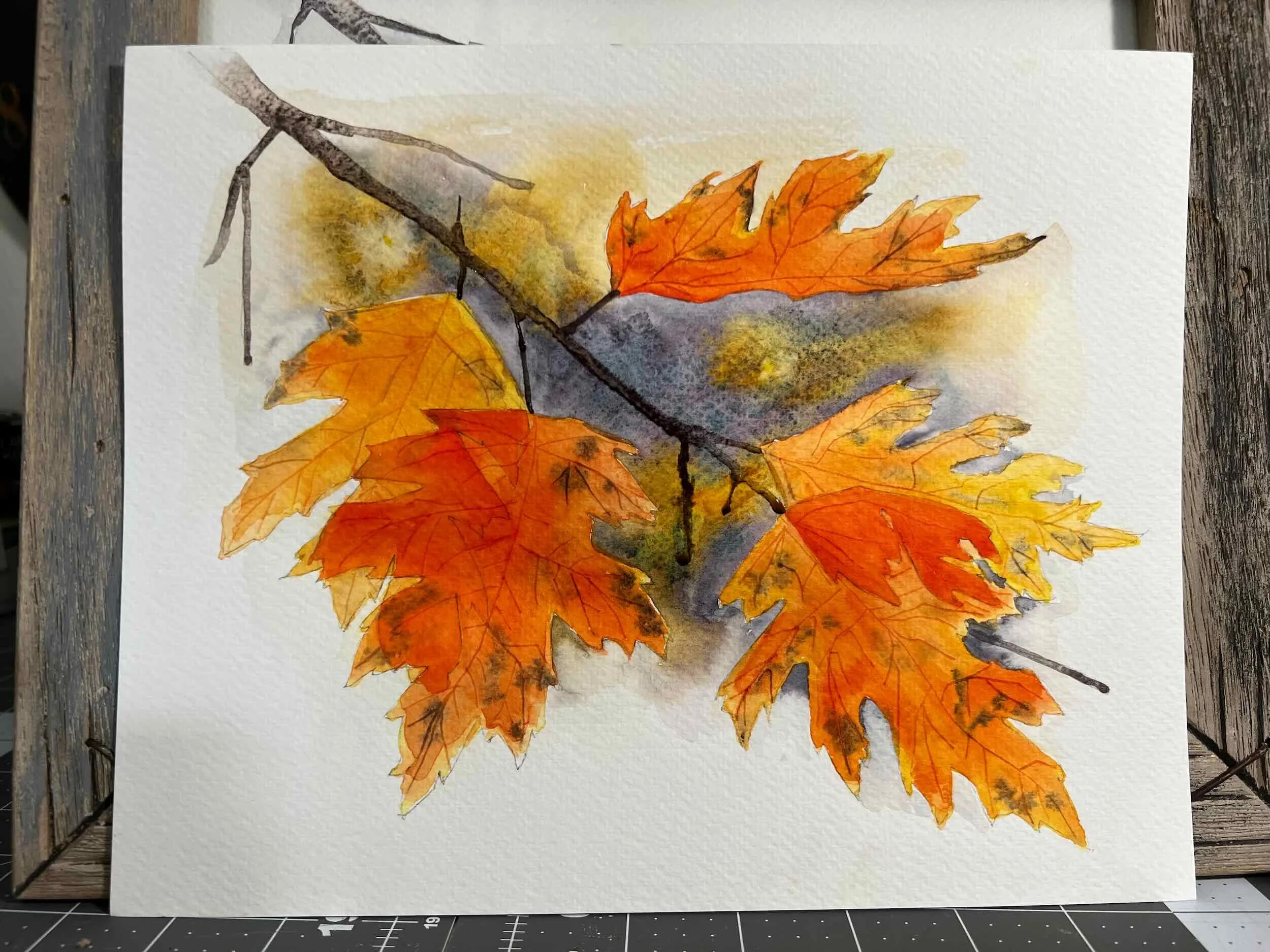
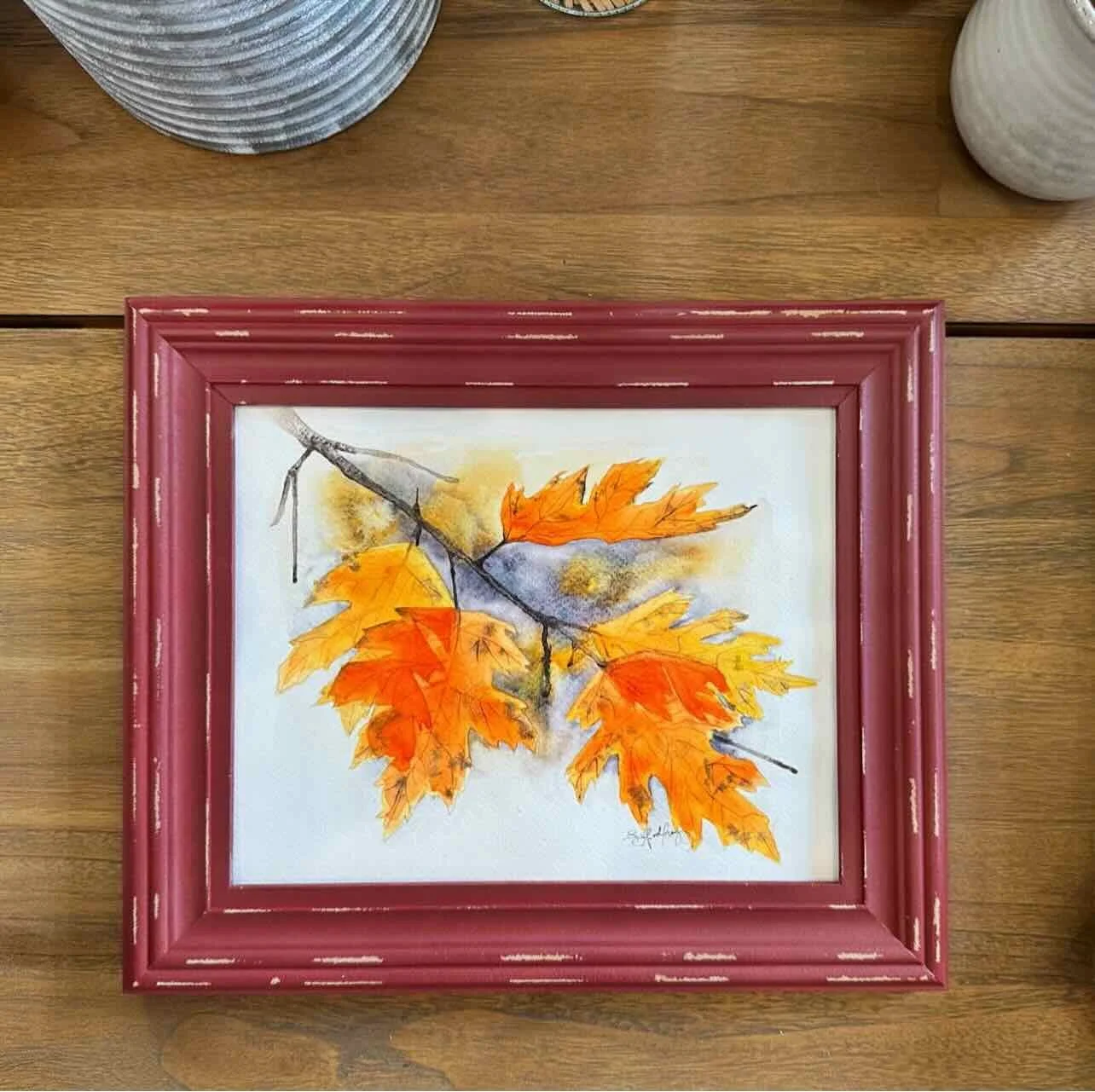
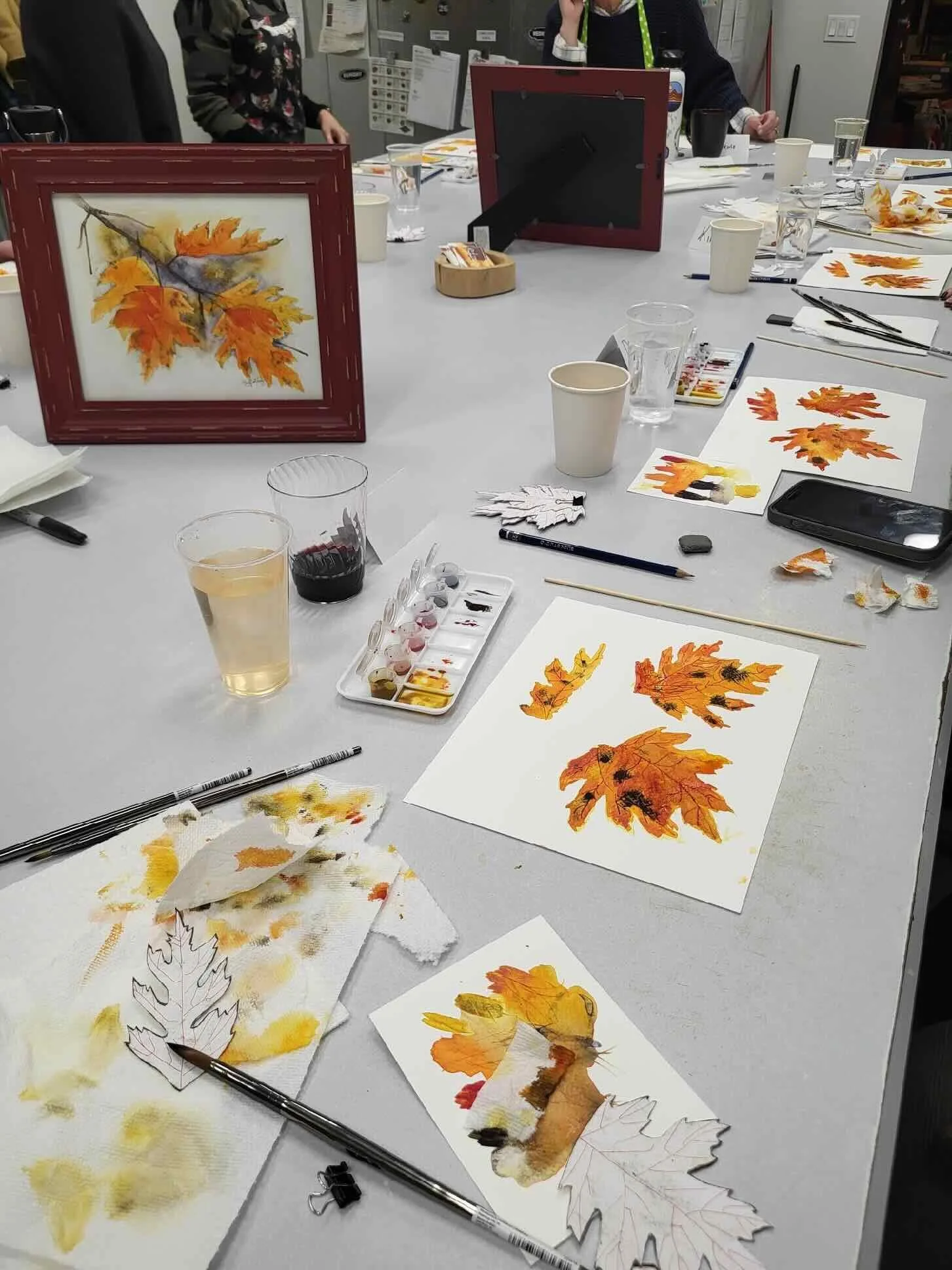
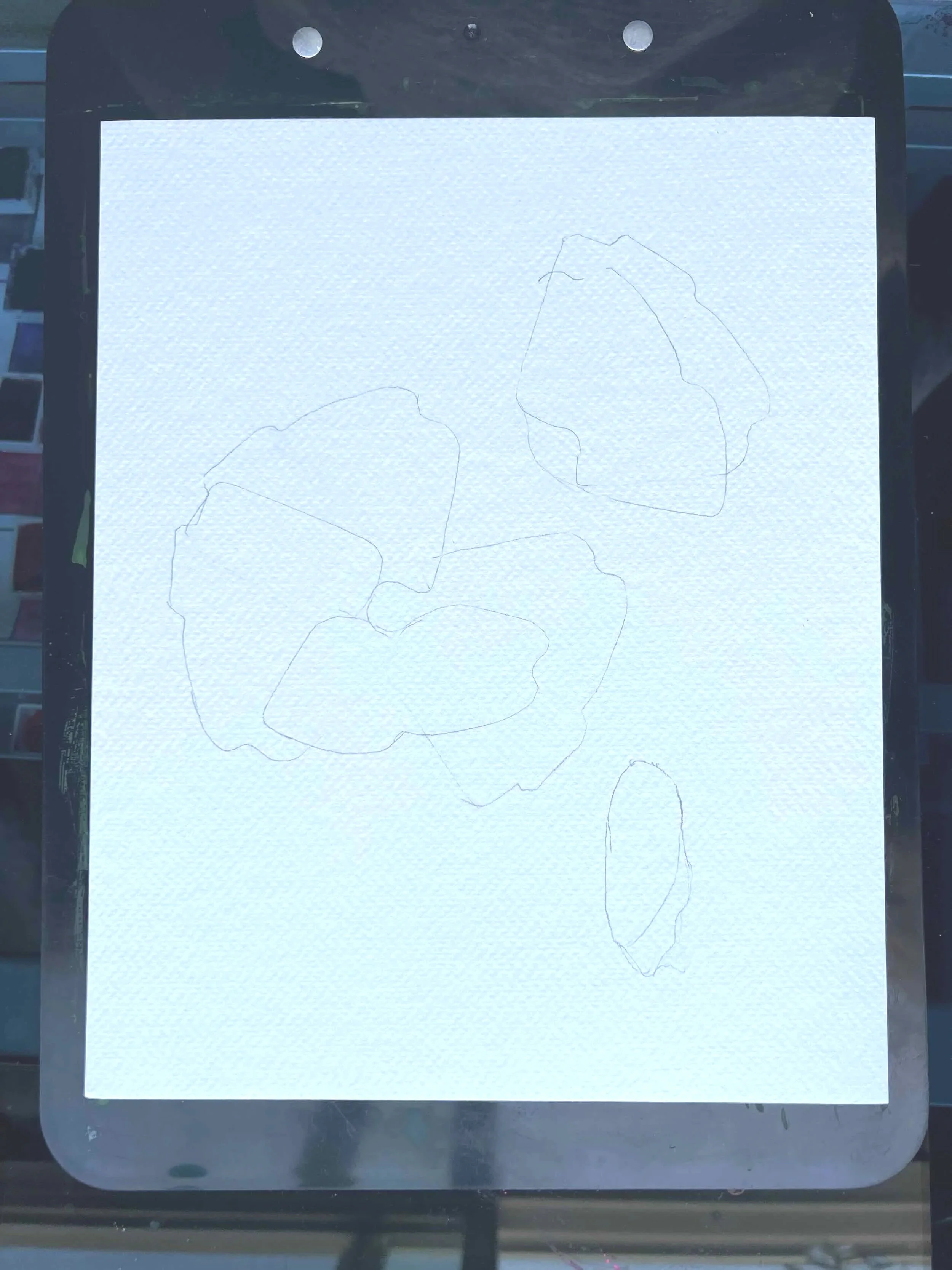
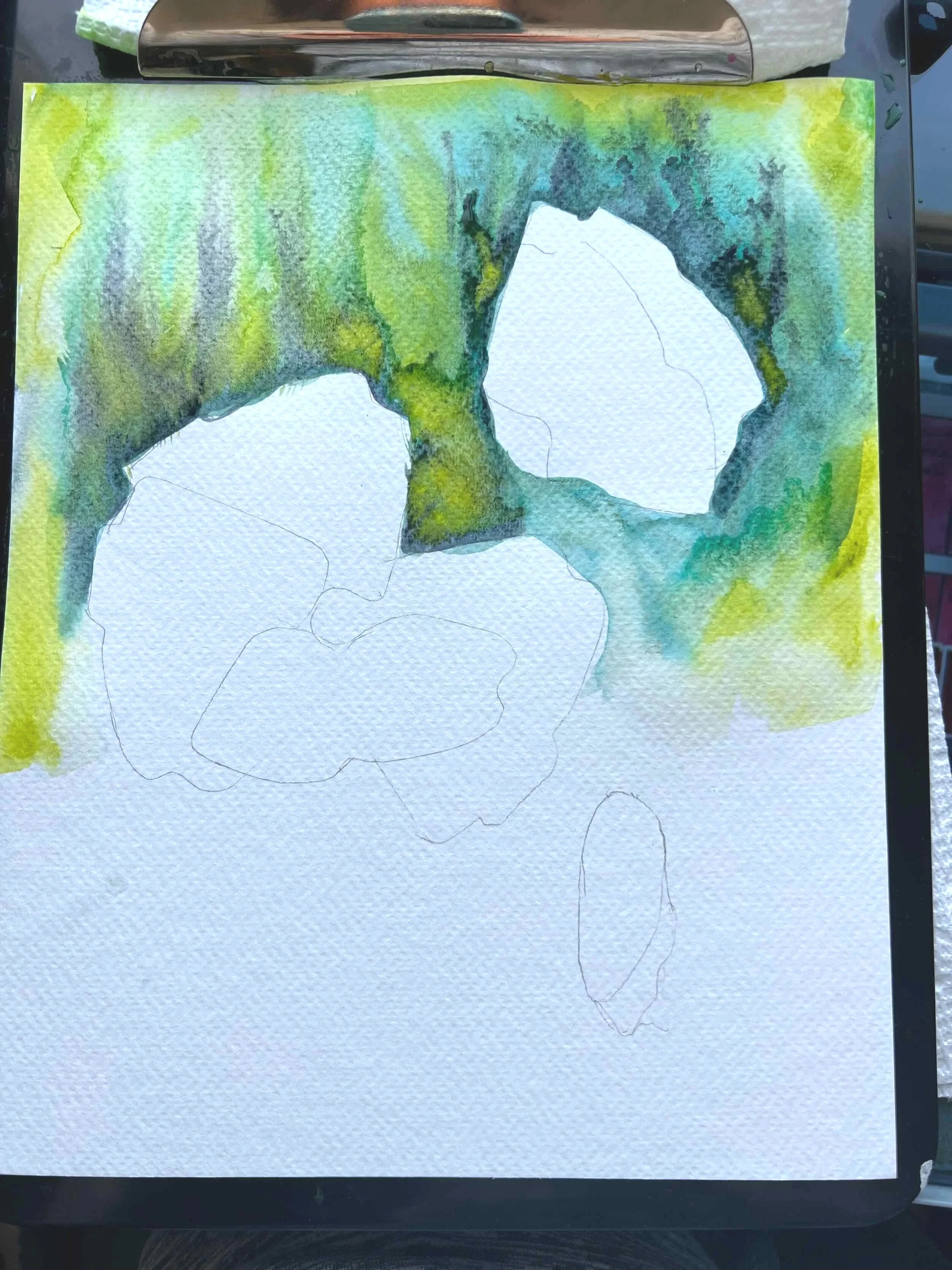
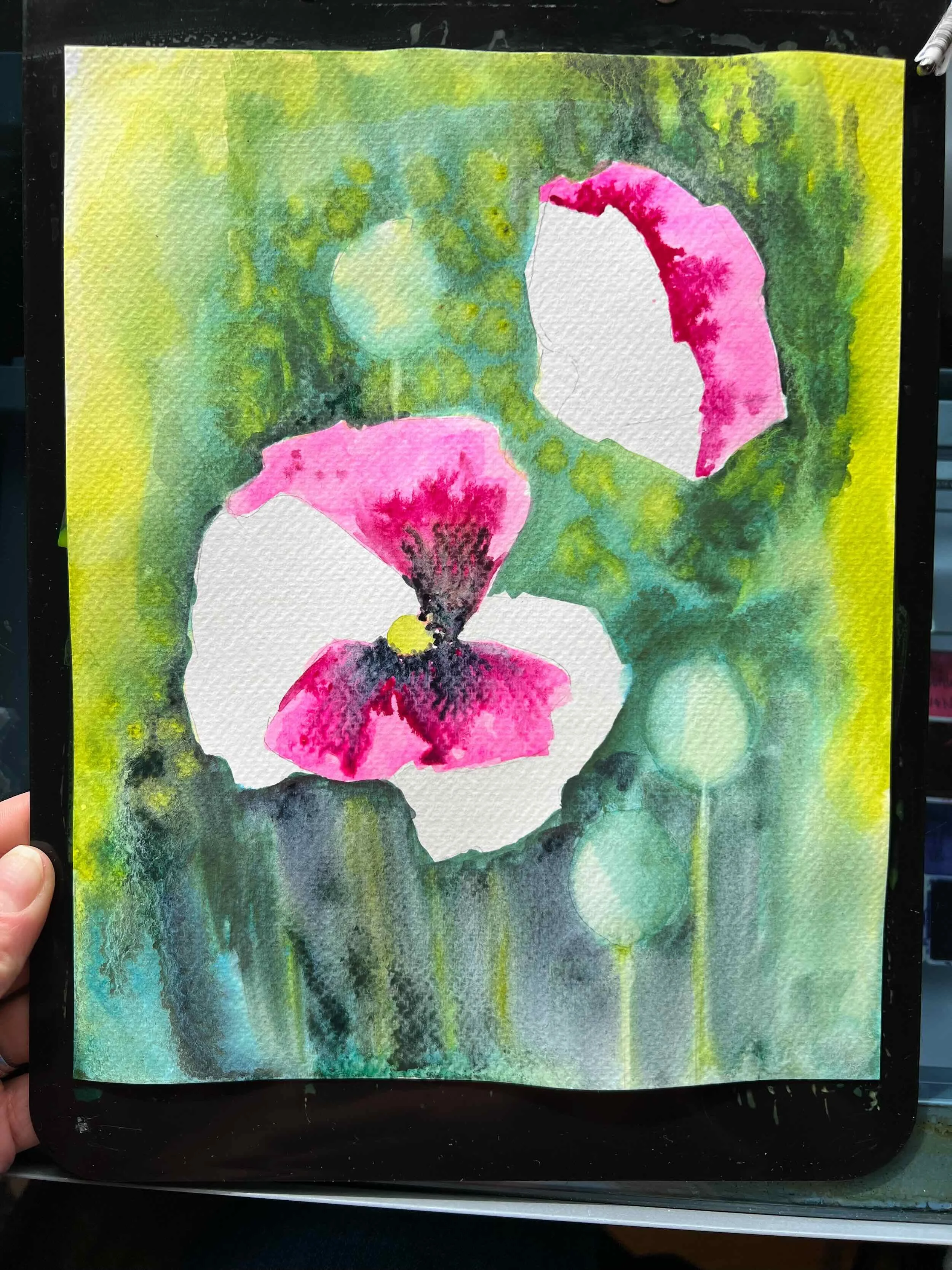
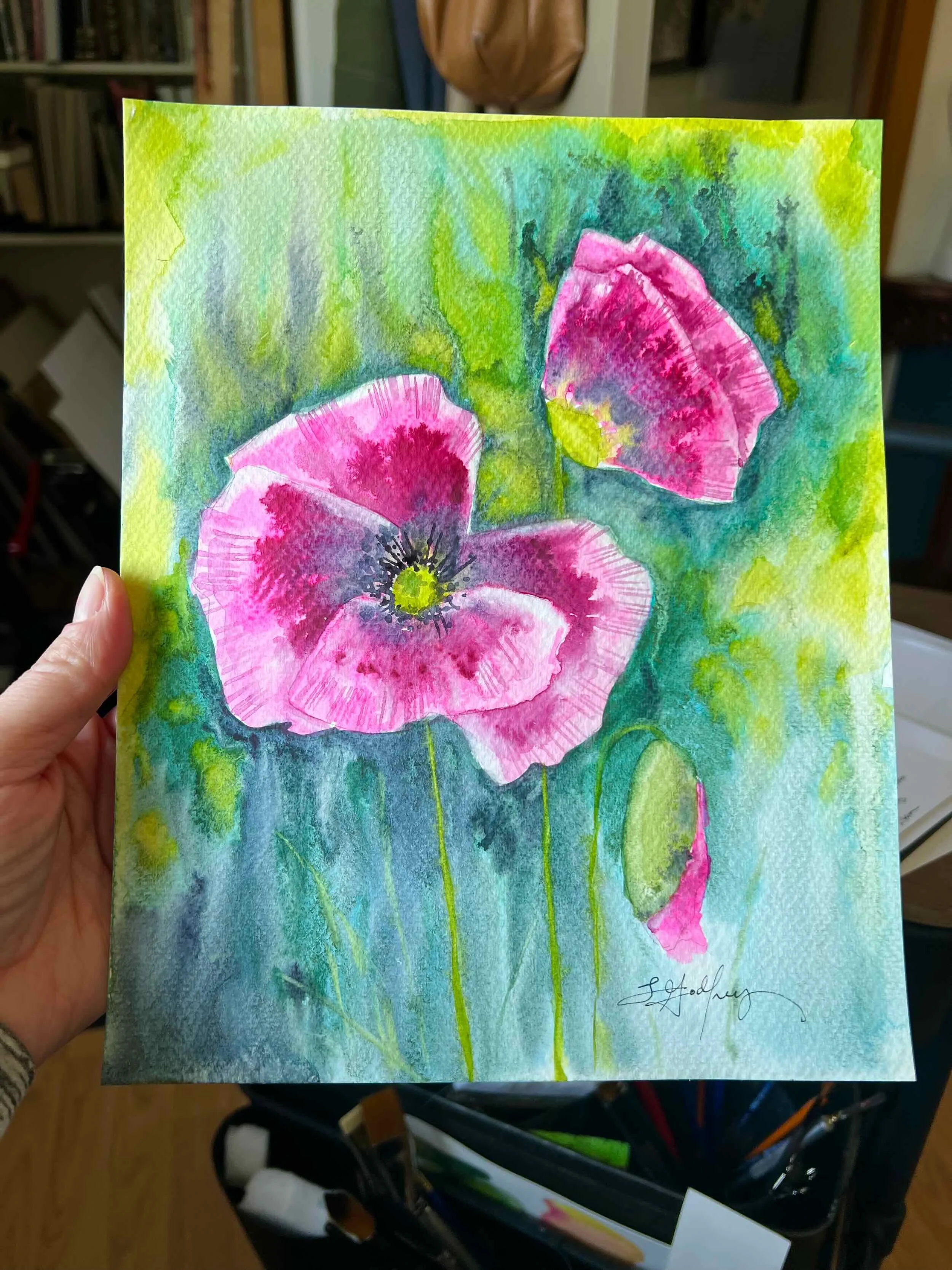
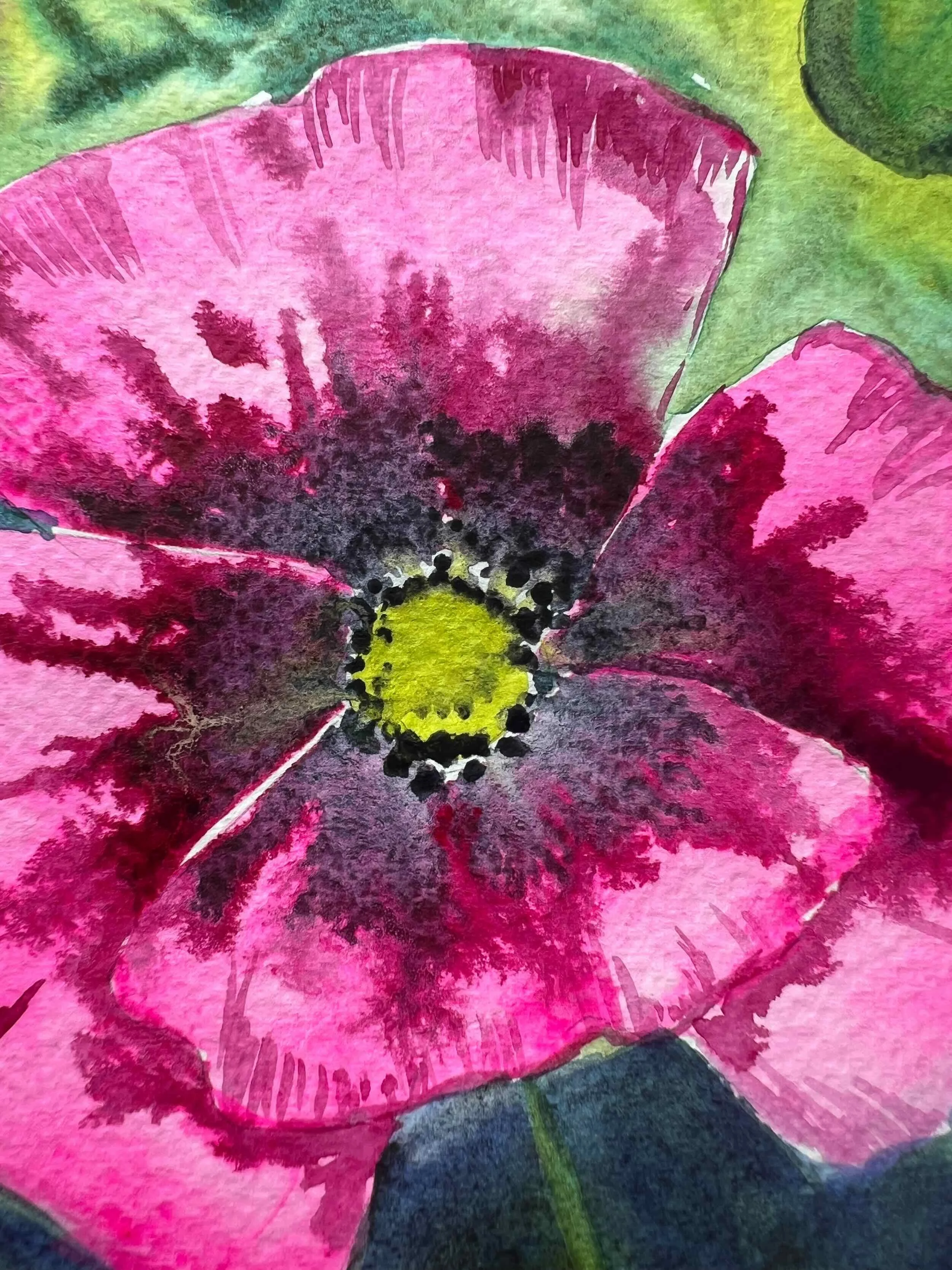
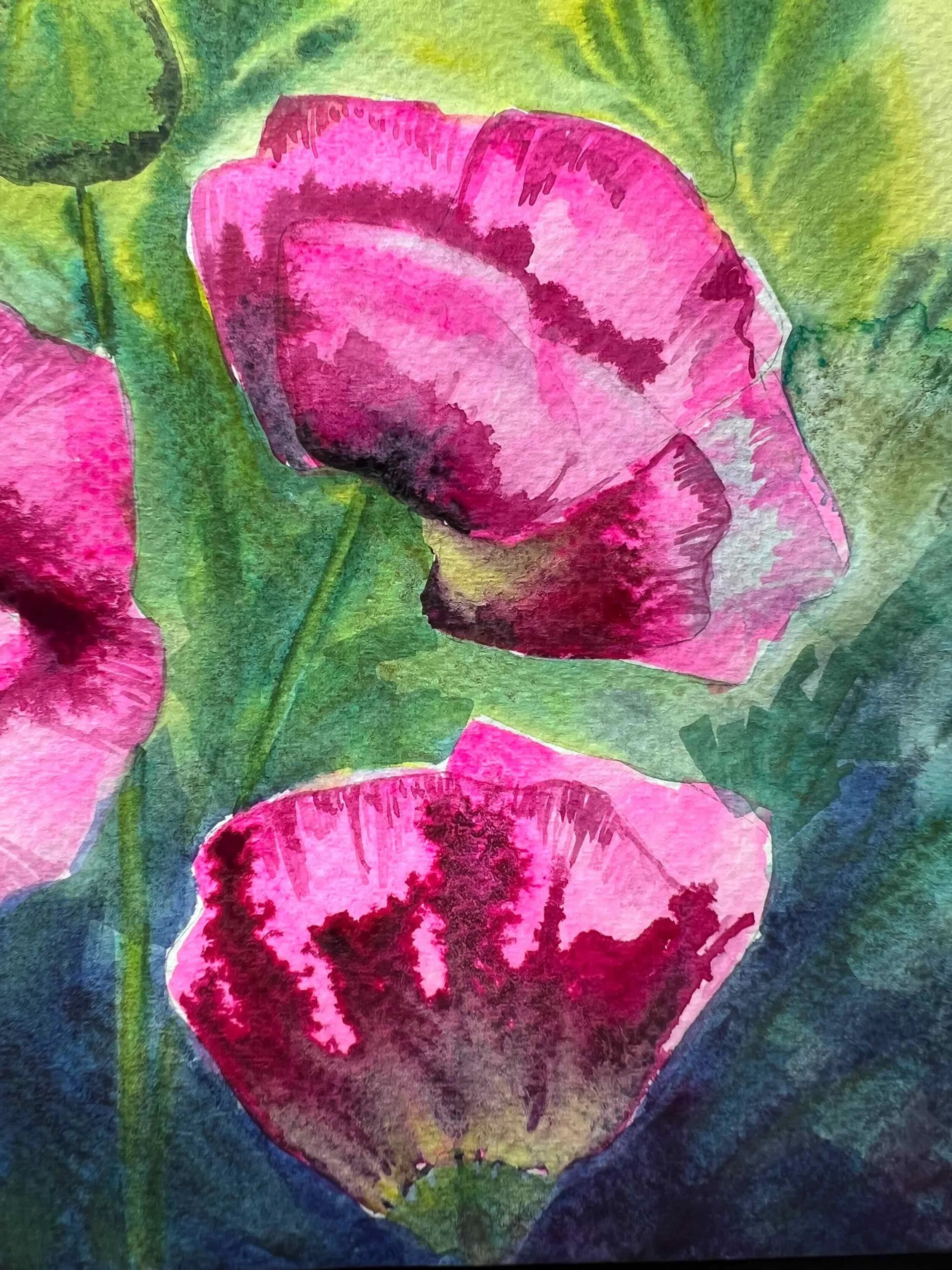
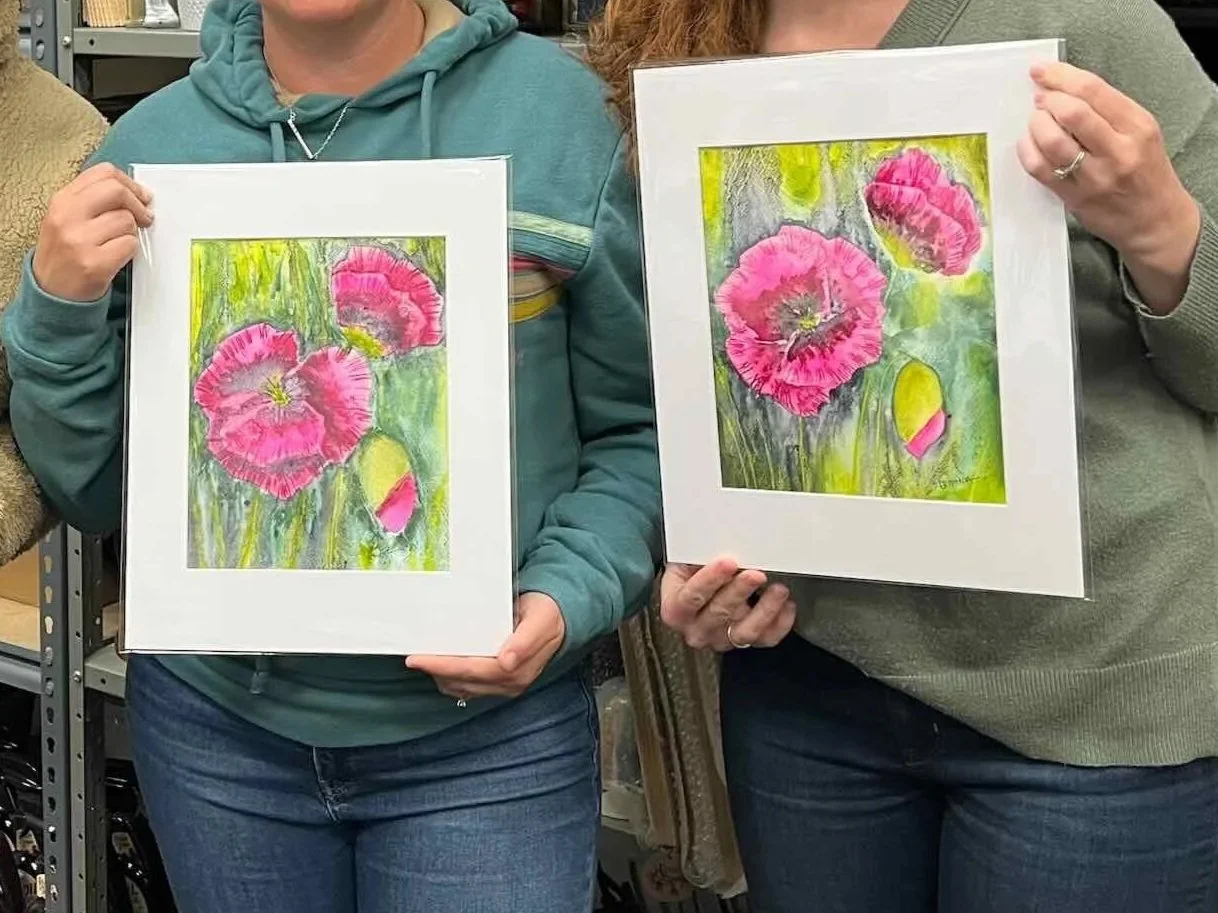
Another unexpected benefit of teaching is repetition. Before I ever present a painting in a workshop, I usually create the demonstration piece several times. I want to fully understand the process and anticipate where students might encounter challenges. Each time I paint the piece, I refine the approach. I adjust the order of steps, simplify areas that might be confusing, and look for the clearest way to guide someone through the process.
That repetition becomes an incredible learning tool. Painting the same subject multiple times encourages careful observation and thoughtful decision-making. I begin to notice which steps are essential and which ones can be simplified. I discover where patience is required and where spontaneity can create a more interesting result. By the time I teach the workshop, I have often discovered a more efficient and intentional way to apply the technique.
Turning Instinct Into Understanding
Teaching also encourages me to break down what often feels instinctive in my own painting practice. When working alone in the studio, many artistic decisions happen almost automatically. But when preparing to guide a group of students, those instincts have to become clear explanations. Why do I apply water at a certain stage? Why is the background painted first? What happens if we allow a layer to dry completely before continuing?
Answering those questions strengthens my own understanding of the painting process. It helps me recognize not just what I am doing, but why it works.
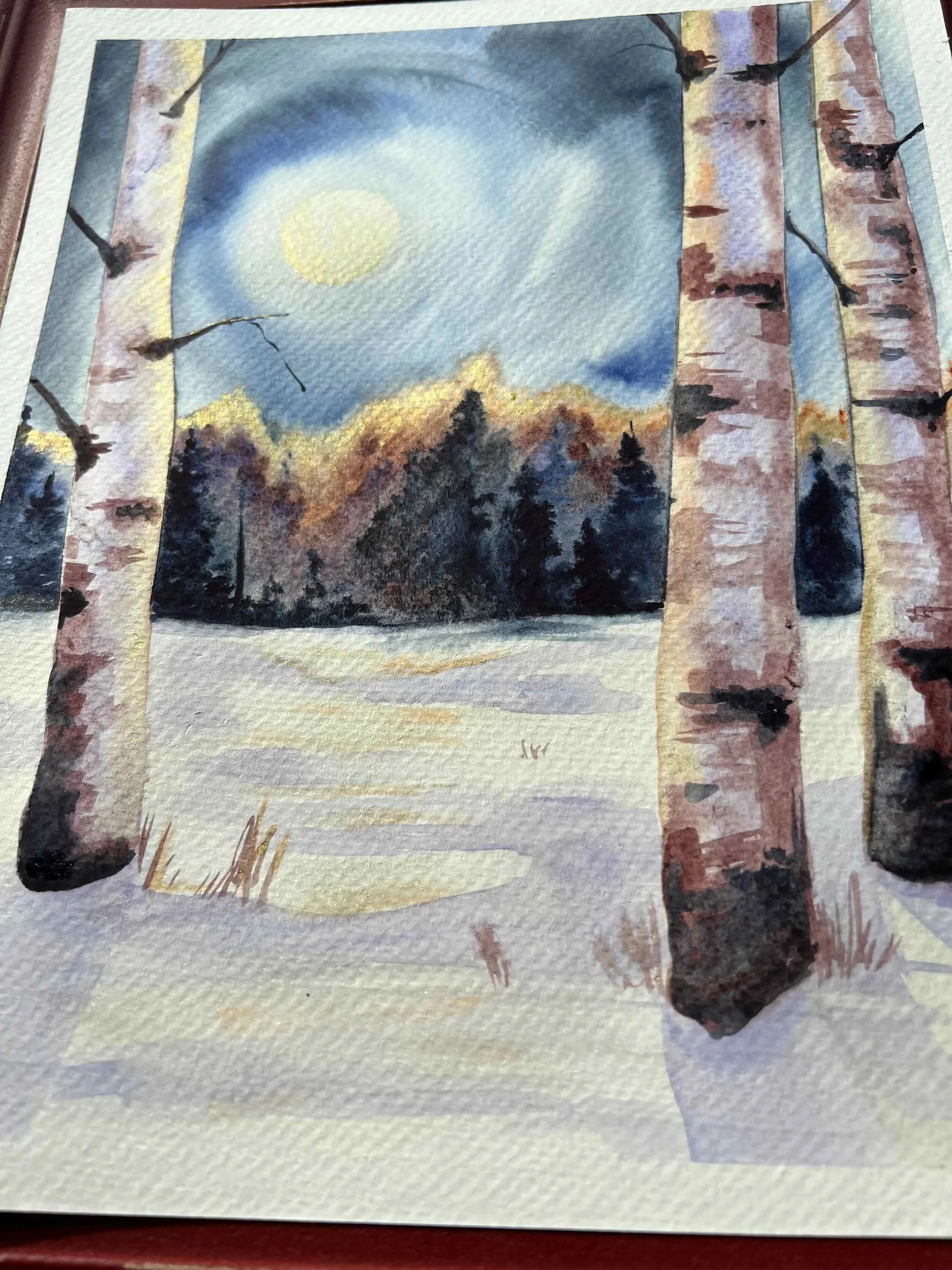
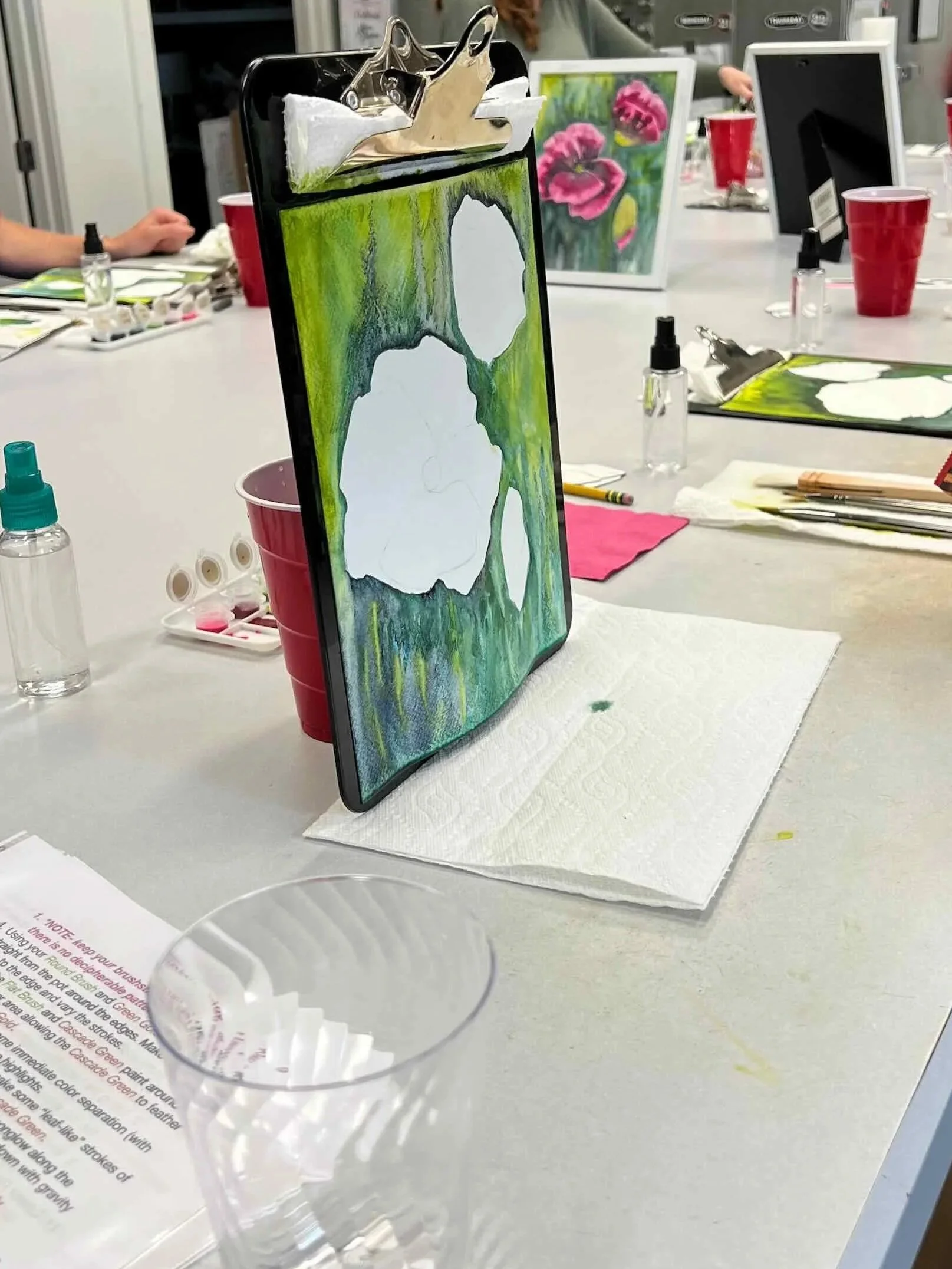
A watercolor workshop work in progress.
Curiosity as a Creative Engine
Perhaps most importantly, designing and teaching workshops keeps my art practice energized. I have always had a deep curiosity about painting and a strong desire to try new ideas. Creating workshops gives that curiosity direction. It encourages me to experiment with techniques I might not otherwise explore and to approach familiar subjects with fresh perspective.
In many ways, teaching feeds my insatiable appetite for novelty in my art practice. Each new workshop becomes an opportunity to investigate something different, whether it is a technique, a compositional approach, or a creative method that could translate across media. Instead of settling into a routine, I am continually motivated to keep learning.
When Teaching and Creating Intersect
Over time, this process has expanded my skill set in ways I might not have pursued so directly on my own. Techniques that once felt unfamiliar gradually become part of my visual vocabulary. Ideas that begin as simple demonstrations in a workshop sometimes grow into new directions within my personal work.
For me, teaching and creating are deeply connected. Each workshop challenges me to explore, practice, and refine the way I work. In return, my own artistic growth allows me to guide students with greater clarity and confidence.
In the end, teaching is not separate from my creative journey. It is one of the ways that journey continues to evolve.
Continuing the Creative Conversation
Whether in the studio or the classroom, the process of learning through art never really ends. I look forward to continuing the conversation and sharing more of that journey here.