When an Oil Painting Gets Muddy: What I Do Next
There is a point in some paintings where everything starts to feel heavy. Colors lose their clarity, shapes soften too much, and what once felt promising becomes uncertain. It happens slowly, often without noticing at first, until suddenly the painting feels stuck. I can get stuck in a cycle of painting and repainting a section without making progress.
When I reach that point, I have learned not to push harder.
Instead, I stop.
Stepping Away
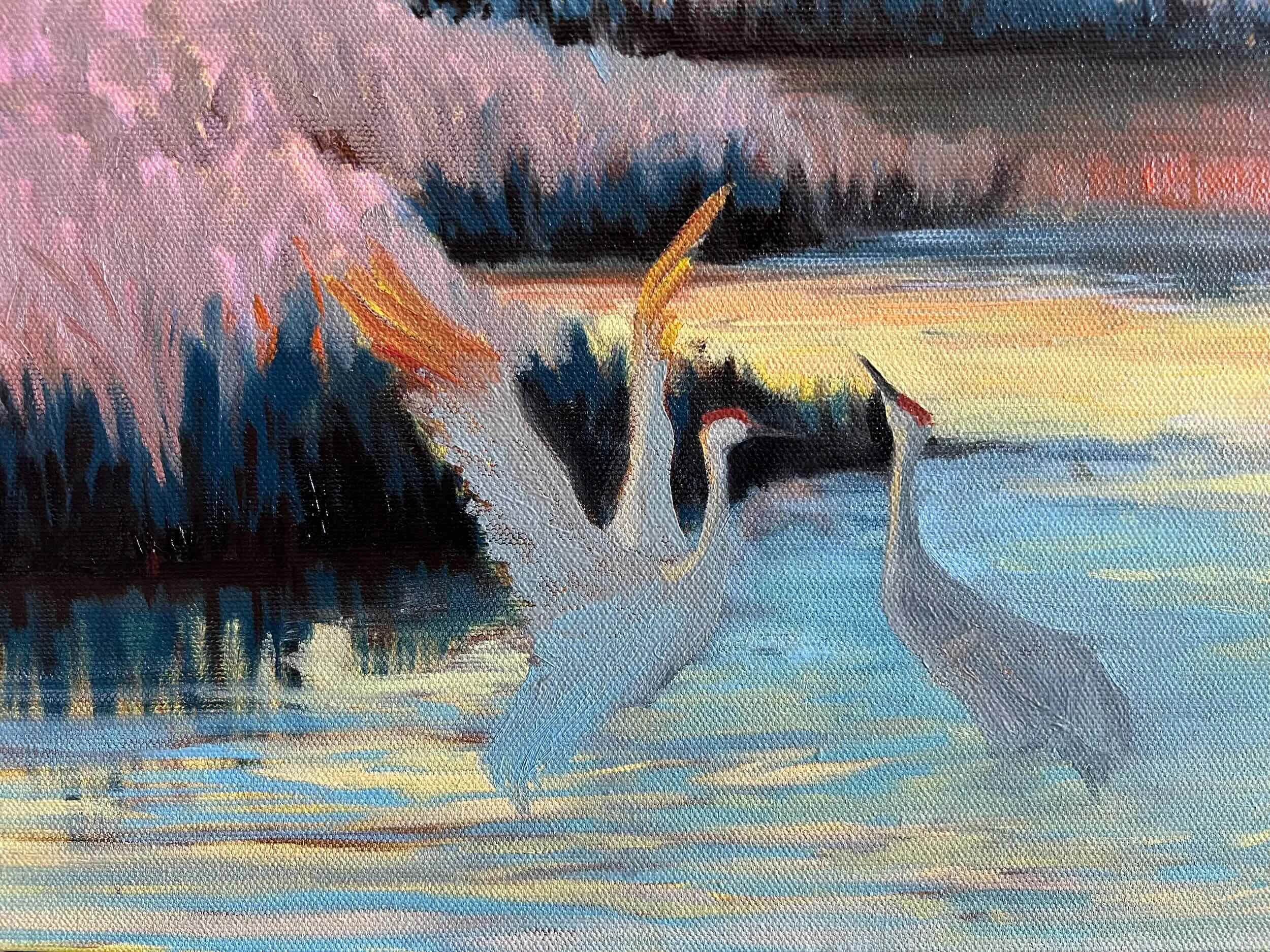
Stepping away is not always easy, especially when I feel close to resolving something. But continuing to work on a muddy painting rarely brings it back. More often, it adds to the problem. Taking a break, even briefly, gives me space to reset my eyes and my thinking. I will often go for a walk or get a cup of tea or coffee. It is important to physically break the painting cycle by leaving my studio space.
Seeing It Differently
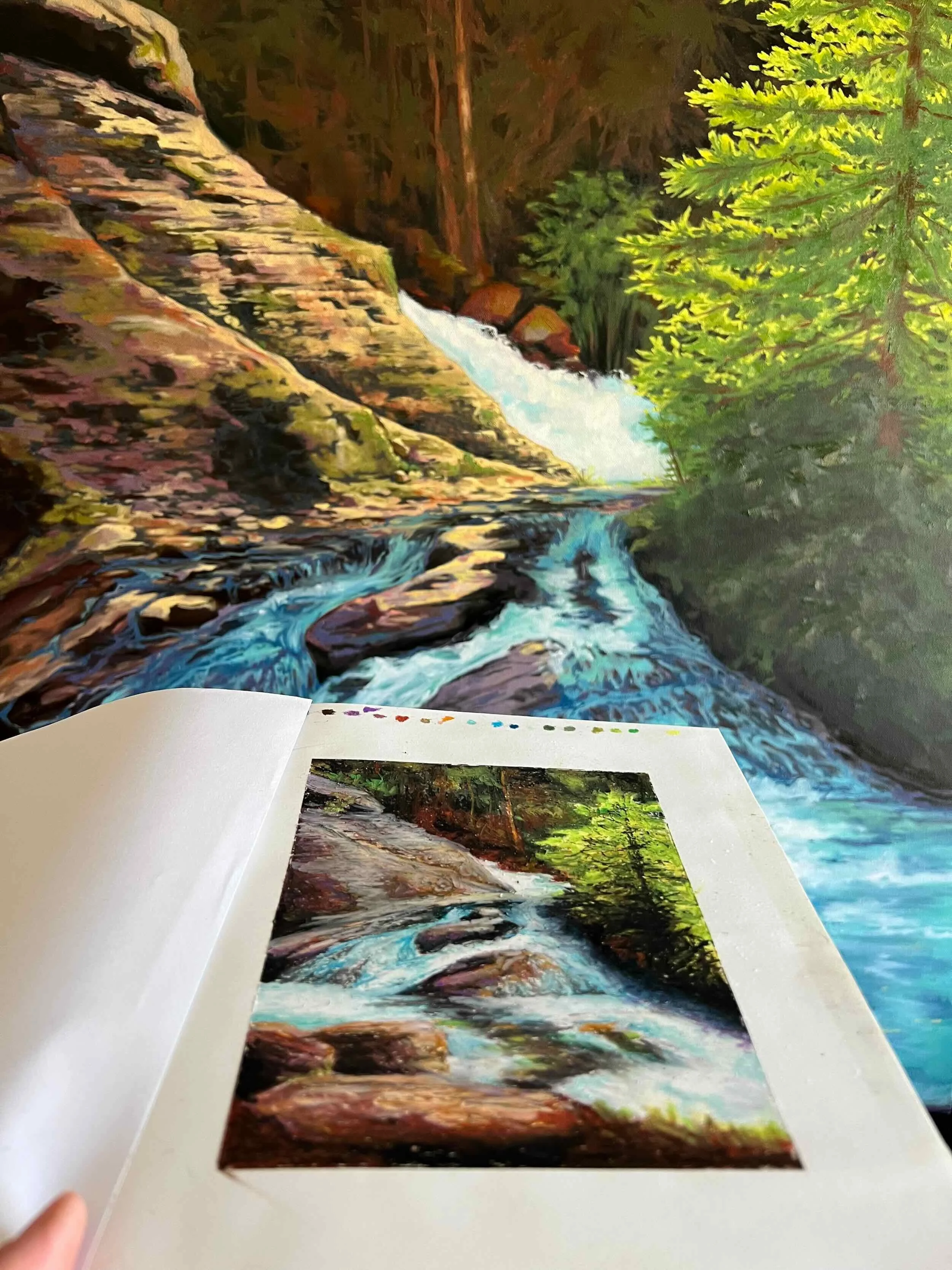
When I return, I try to see the painting differently. Sometimes that means physically changing my perspective—viewing it from across the room, turning it upside down, or looking at it in a mirror. These small shifts help me step out of what I think I painted and actually see what is there. Edges, values, and color relationships become clearer when I am not so close to them. I also use this time to plan my next steps, working them out in my mind before I put paint to canvas again.
Starting Fresh
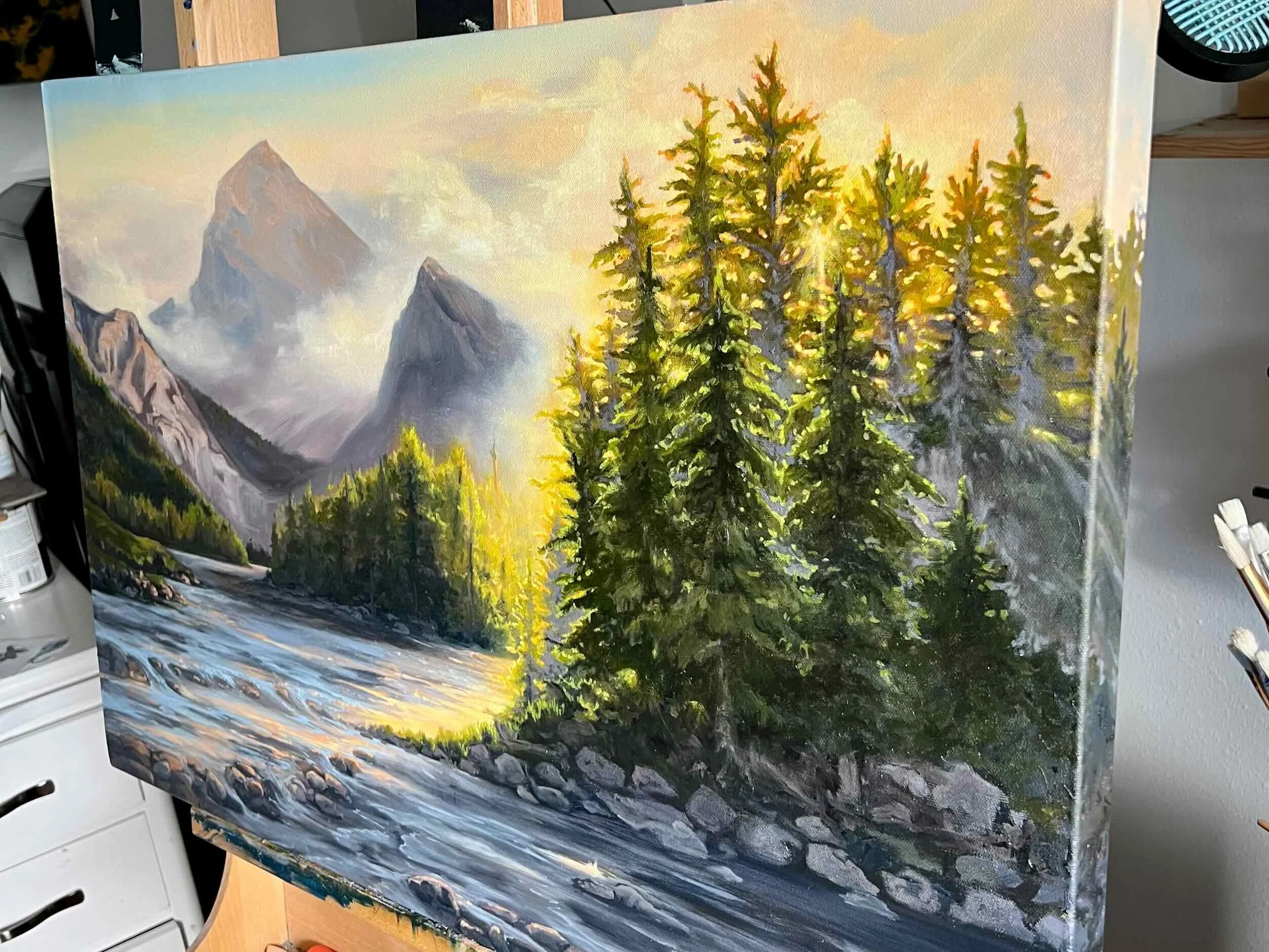
There are also times when the best thing I can do is start something new. I will often switch over to working on my current watercolor piece or a totally different oil painting.
Beginning another piece allows me to stay in a creative rhythm without forcing a resolution. It reminds me what fresh color feels like, what confident marks look like. If I just hang the problem piece back and let it sit in my periphery the solution sometimes might just strike me as a work another piece. Often, when I return to the original painting later, I bring that same clarity back with me.
Simplifying the Approach
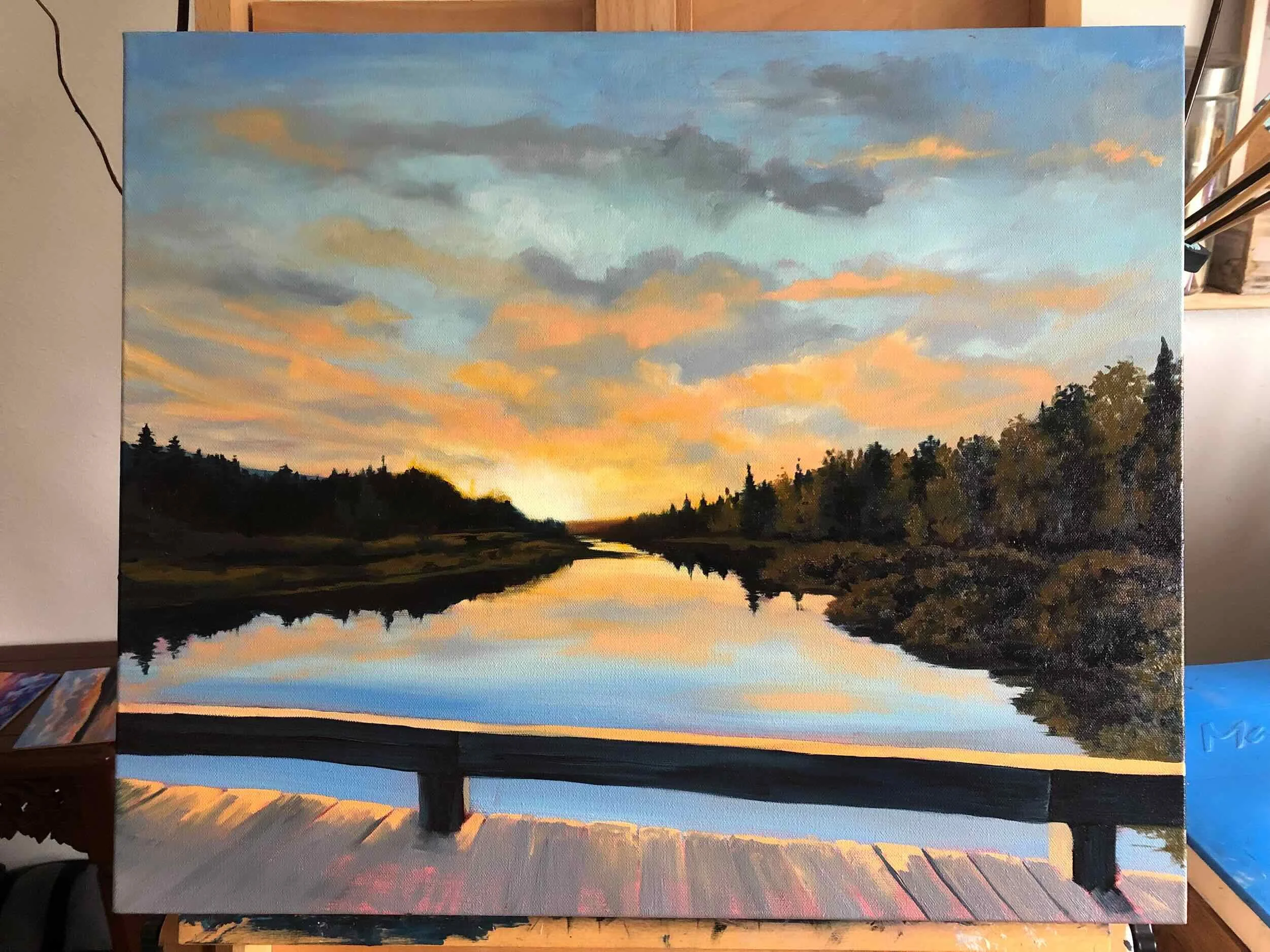
When I do decide to rework an area, I simplify. One of the most helpful changes I can make is switching to a larger brush. It forces me to let go of small, overworked passages and think in broader shapes again. Instead of trying to fix every detail, I focus on reestablishing structure—value, temperature, and edge.
Muddy paintings are often the result of too many small corrections. A larger brush helps me move past that and regain a sense of intention.
A Second Set of Eyes
Sometimes I need to step outside of my own perspective entirely.
Asking a friend or family member to look at the painting can bring immediate clarity. I try to be specific in what I ask: What area feels off? Does the color seem right? Where does your eye go first? Their answers are often simple, but they point directly to what I have been overlooking.
It matters who I ask. I look for someone who will be honest and willing to describe what they see, not just offer encouragement. A fresh set of eyes is not about judgment; it is about insight. They are seeing the painting without the history of every decision that led to it.
Often, that is exactly what I need.
Letting the Painting Breathe
What I continue to learn is that a painting becoming muddy is not the end of it. It is simply a moment in the process. A signal to pause, to reassess, and to approach the work differently.
Sometimes the solution is not in doing more, but in doing less, and giving the painting the space it needs to find its way again.
If you find yourself in that same place, consider stepping back before stepping in. Give your eyes time to adjust, your mind time to reset, and your process room to shift. You may find that clarity returns when you stop trying to force it.
How do you resolve your muddy work? Leave your tips and tricks in the comments. I’m always looking for some new approaches to this problem.