The Value of an Unfinished Painting: Finding Growth in the Process
Not every idea that begins in the studio becomes a finished painting. Some start with a photograph that catches my attention, a color combination I want to explore, or a composition that seems promising at first glance. Others begin simply because I feel the need to experiment with something new. While these moments do not always lead to a piece I would consider finished artwork, they are an important part of my creative process.
As an artist working in both watercolor and oil, I have learned that not every painting needs to have a final destination. Sometimes, the most valuable work happens in the moments when I am simply figuring things out.
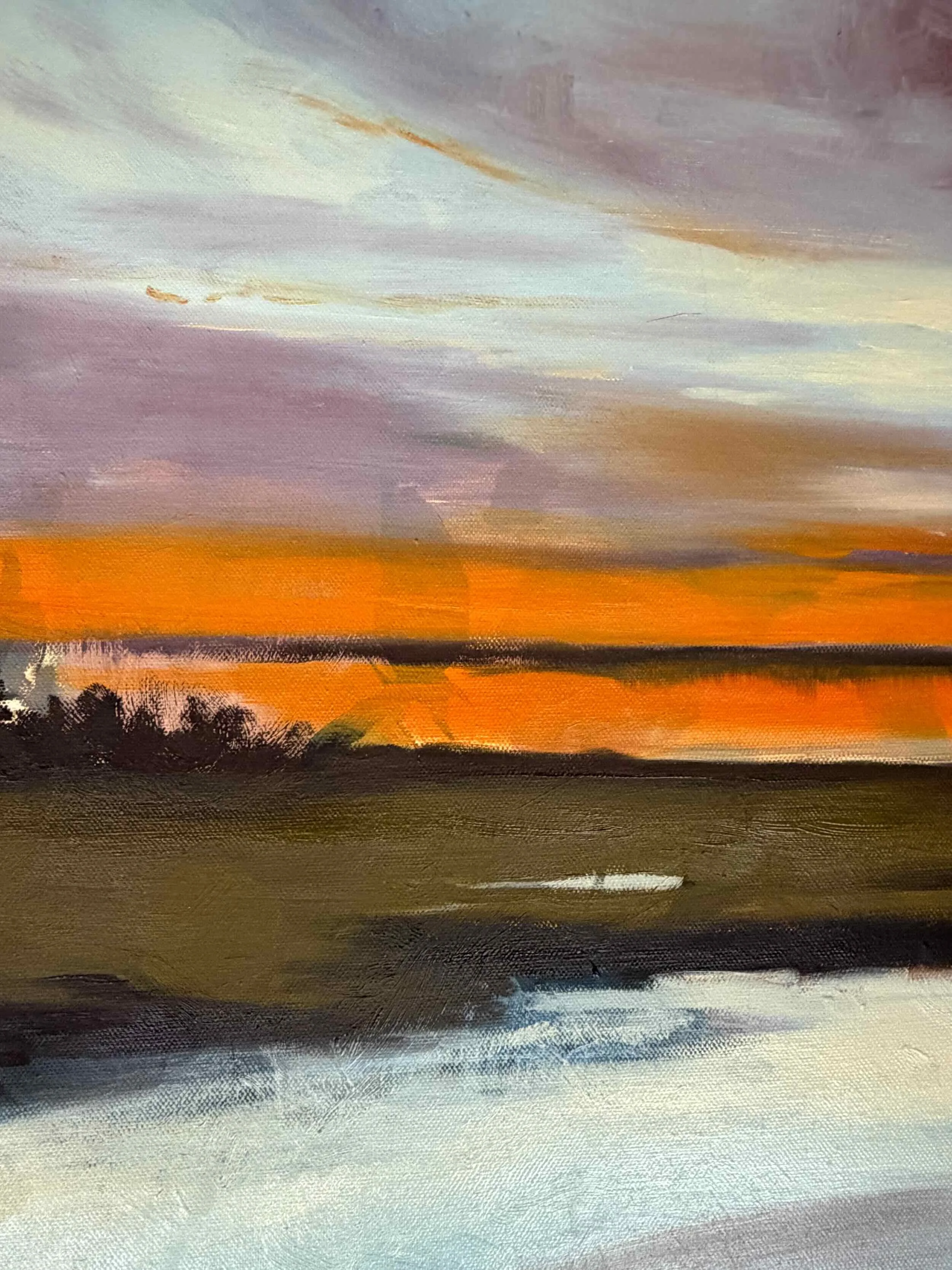
A loose unfinished landscape painted quickly. The color palette is a bit off.
The Freedom to Experiment
There is something freeing about beginning a painting without the expectation that it needs to become a finished piece. When I am working on an original painting, I am thinking about the overall composition, color relationships, and how the final piece will come together. I want each decision to contribute to the finished work.
But when I am experimenting, I can let go of some of those expectations.
I might test a new color combination, explore a different approach to a familiar subject, or see what happens when I handle a particular passage of a painting differently. Sometimes I am working toward a specific idea. Other times, I am simply curious.
These experiments give me room to take risks that I might hesitate to take on a painting that is already well underway. I can try something, decide it does not work, and move on without feeling as though I have lost progress.
Not every experiment leads somewhere useful, but that is part of the point. The freedom to make a mistake often creates opportunities to discover something unexpected.
Learning from What Doesn't Work
Some of my most useful lessons come from paintings that never quite come together.
Perhaps the colors compete with one another instead of creating the atmosphere I envisioned. Maybe a composition feels too busy, or a particular technique distracts from what initially drew me to the subject. Sometimes I reach a point where I realize that continuing to work on a piece will not improve it.
It can be tempting to keep trying to rescue a painting simply because time and effort have already gone into it. Learning when to step away is an important part of developing as an artist.
A painting that does not work can still teach me something about color, composition, or the way I approach a subject. It can help me recognize what I want to do differently the next time I sit down at the easel.
I may not always identify the lesson immediately. Sometimes it takes returning to a similar subject weeks or months later to recognize how much a previous experiment influenced my decisions.
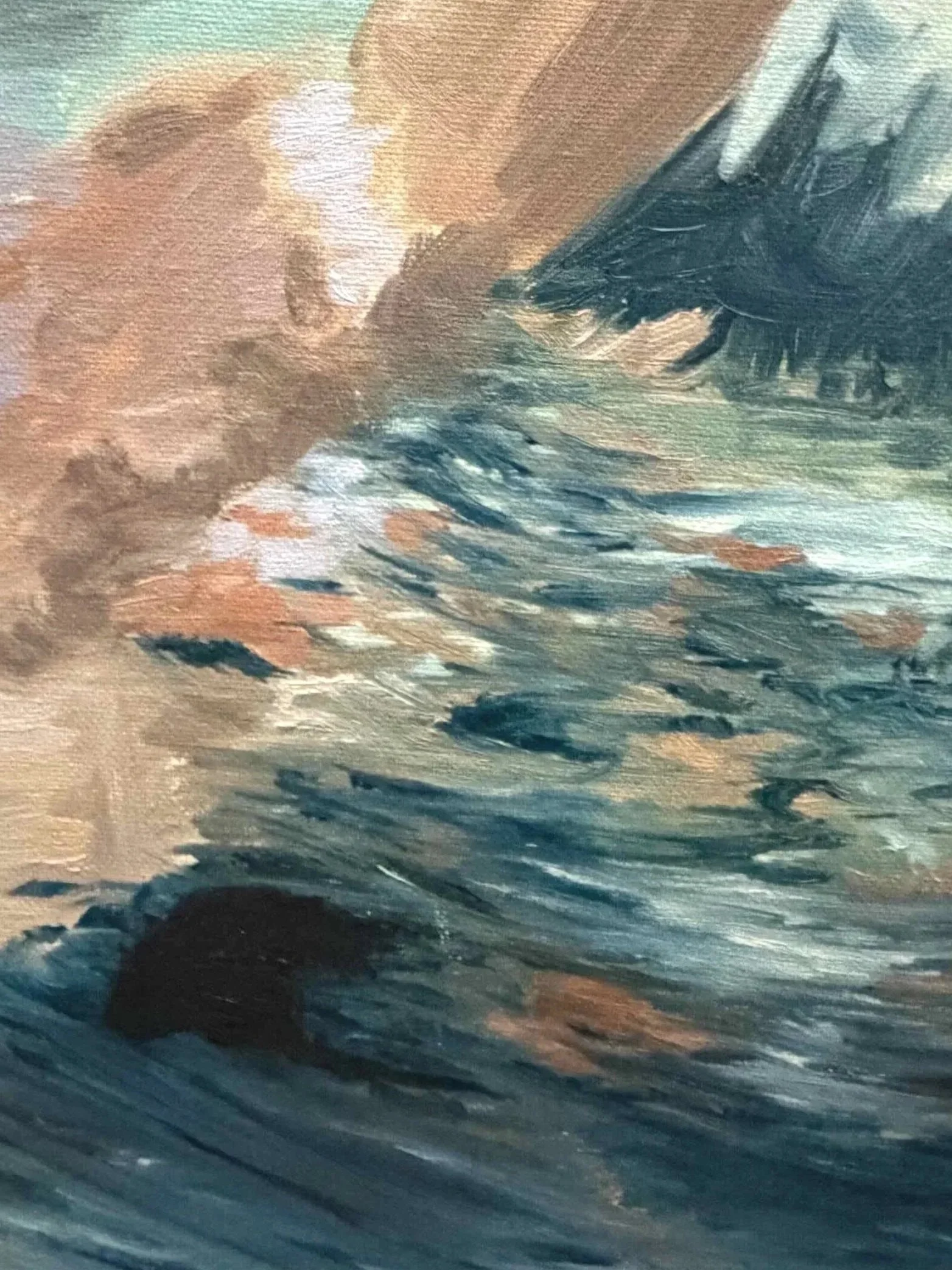
An experiment with water in oil. The lines create movement but the overall shape is ambiguous.
Two Mediums, Two Ways to Discover Something New
Working in both watercolor and oil gives me different opportunities to experiment.
Watercolor encourages me to pay attention to the relationship between water, pigment, and the paper. The medium can be unpredictable, and even small changes in timing or moisture can affect the result. Color studies and small practice paintings help me understand those possibilities without committing to a larger piece.
Oil offers a different kind of exploration. I can adjust colors, build layers, revisit earlier decisions, and experiment with texture and brushwork. Sometimes I use these opportunities to work through a problem that I have encountered in a painting. Other times, I am interested in discovering a new way to approach a subject.
Although the two mediums require different approaches, the experience of experimenting in one often informs my work in the other. A color relationship that catches my attention in watercolor might influence an oil painting, while an idea about composition or texture can carry across both.
Not every discovery translates directly, but each contributes to a growing understanding of my materials and my own artistic preferences.
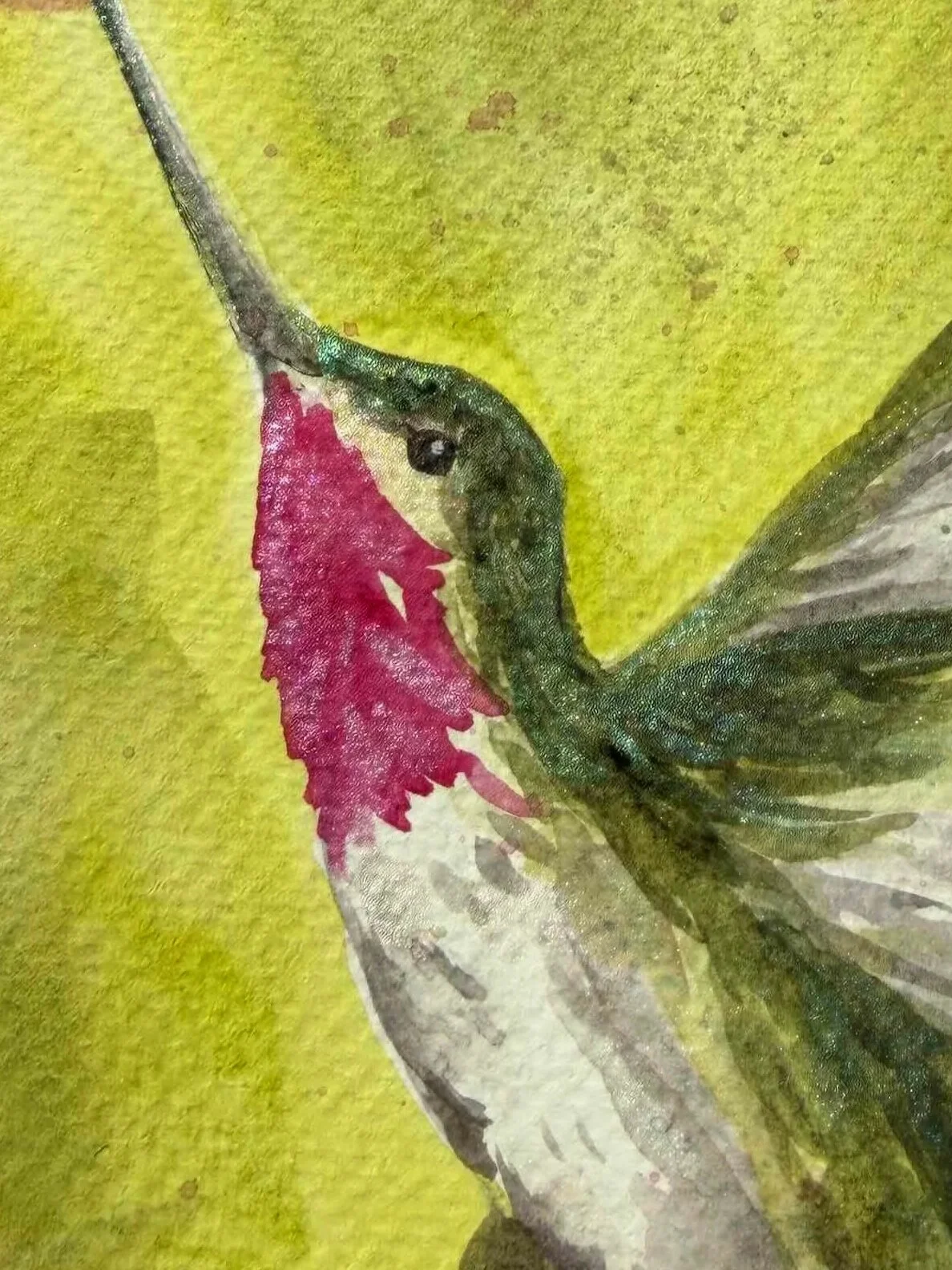
Expirimenting with iridescent watercolor. While I love the colors, unfortunately the bird looks very lifeless. I’ll have to try again.
Making Room for the Unfinished
As a working artist, it is easy to measure progress by the number of finished paintings produced. Finished work matters, of course. It is what ultimately becomes part of my collection and what I share with others.
But I have come to appreciate the quieter work that happens between those finished pieces.
The small studies, the abandoned ideas, the color tests, and the paintings that teach me what not to do all contribute to the work that eventually makes it out of the studio. They give me space to ask questions, challenge my habits, and remain curious about what is possible.
I do not need every idea to become a painting. Sometimes it is enough for an idea to teach me something that I can carry into the next one.
And perhaps that is one of the most rewarding parts of maintaining an art practice. There is always something new to discover, even when the result is a sheet of paper or a canvas that never becomes a finished piece.
The next time I begin a painting that doesn't quite work, I may be disappointed. But I also know that the time was not wasted. It may have been exactly the practice I needed to make the next painting a little stronger.
If you enjoy following the process behind my work, I invite you to subscribe (sign up. at the bottom of this page) to my newsletter. I share updates from the studio, new paintings, and occasional reflections on the experiences and discoveries that shape my art.