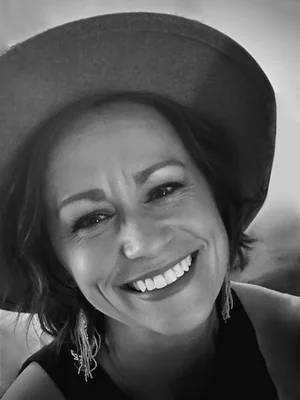
Inspiration in Practice: How I Generate Ideas for My Artwork
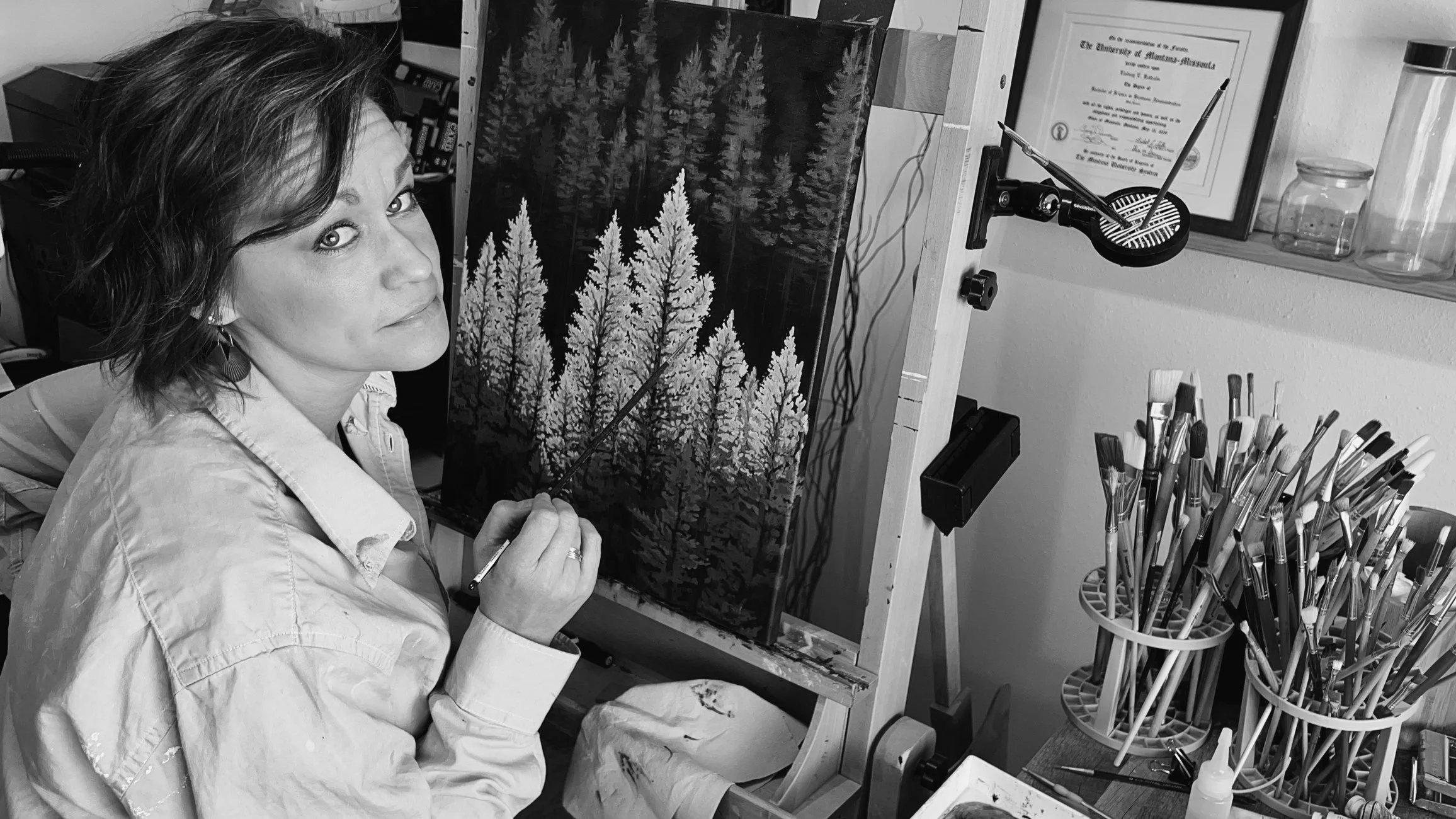
Artist, Lindsay Godfrey painting in her studio.
One of the most common questions I’m asked as a fine artist is, “Where do your ideas come from?” Finding inspiration as an artist isn’t about waiting for creativity to strike; rather, it’s about building intentional habits that keep inspiration accessible. Over time, I’ve developed a creative process rooted in observation, collection, and personal experience that consistently fuels my watercolor and oil painting work.
Below, I’m sharing the main ways I find artistic inspiration and how I translate it into original artwork.
Using Pinterest to Collect Art Inspiration
Pinterest is one of my favorite tools for gathering visual inspiration. I maintain curated boards filled with artwork, photography, color palettes, textures, and compositions that resonate with me. These boards act as a visual library I can return to whenever I’m starting a new painting or searching for a fresh concept.
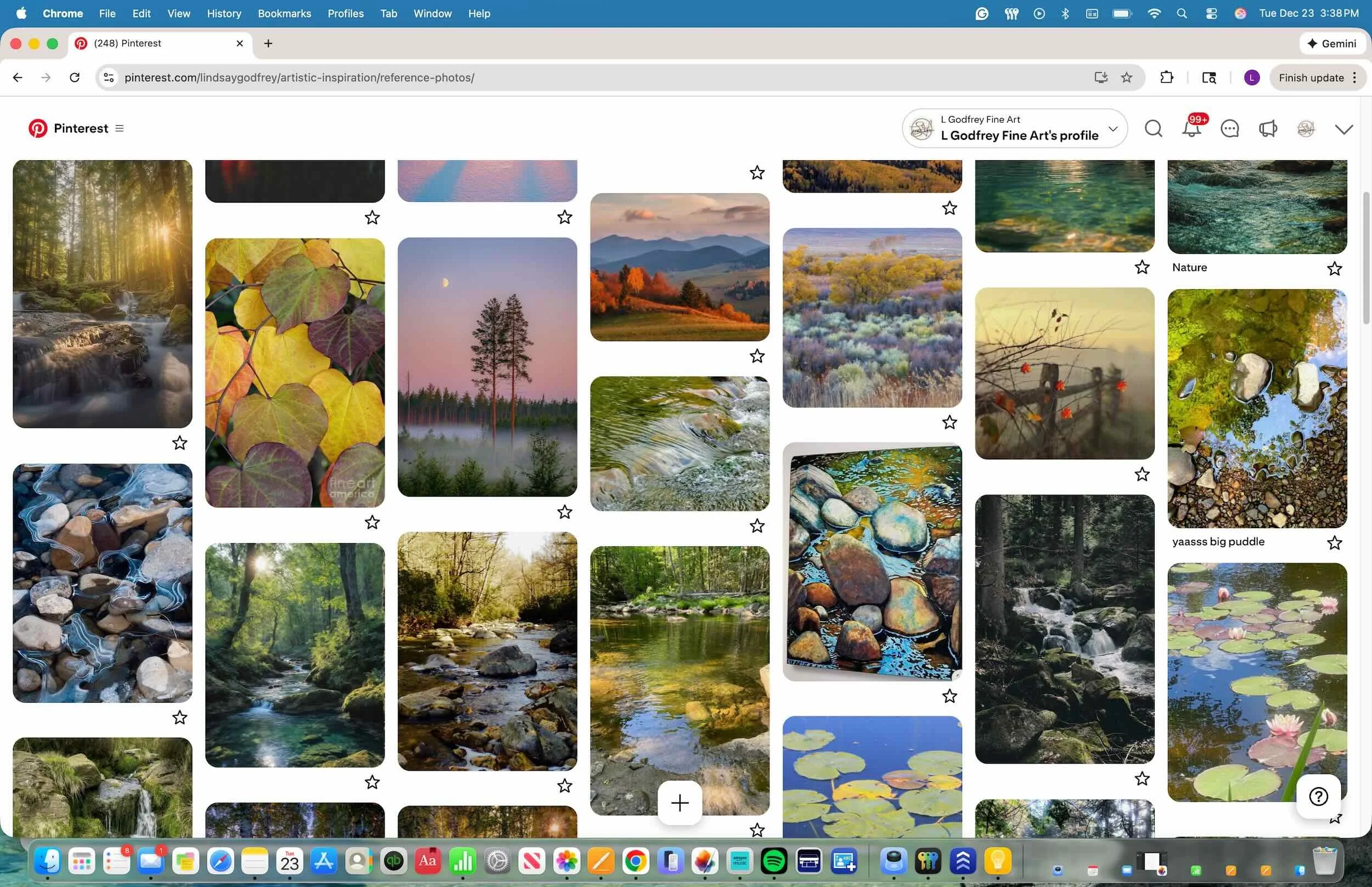
Pinterest provides unlimited inspiration.
Rather than copying images, I study what draws me in—whether it’s a limited color palette, loose brushwork, atmospheric light, or strong compositional flow. Over time, patterns emerge that help clarify my artistic style and guide future work.
Finding Inspiration Through Photography in Montana
Living in Montana provides endless inspiration. The landscape here is both expansive and intimate, offering dramatic light, subtle color shifts, and strong natural compositions. I regularly photograph scenes that catch my attention—quiet roads, layered landforms, changing skies, or moments of unexpected beauty.
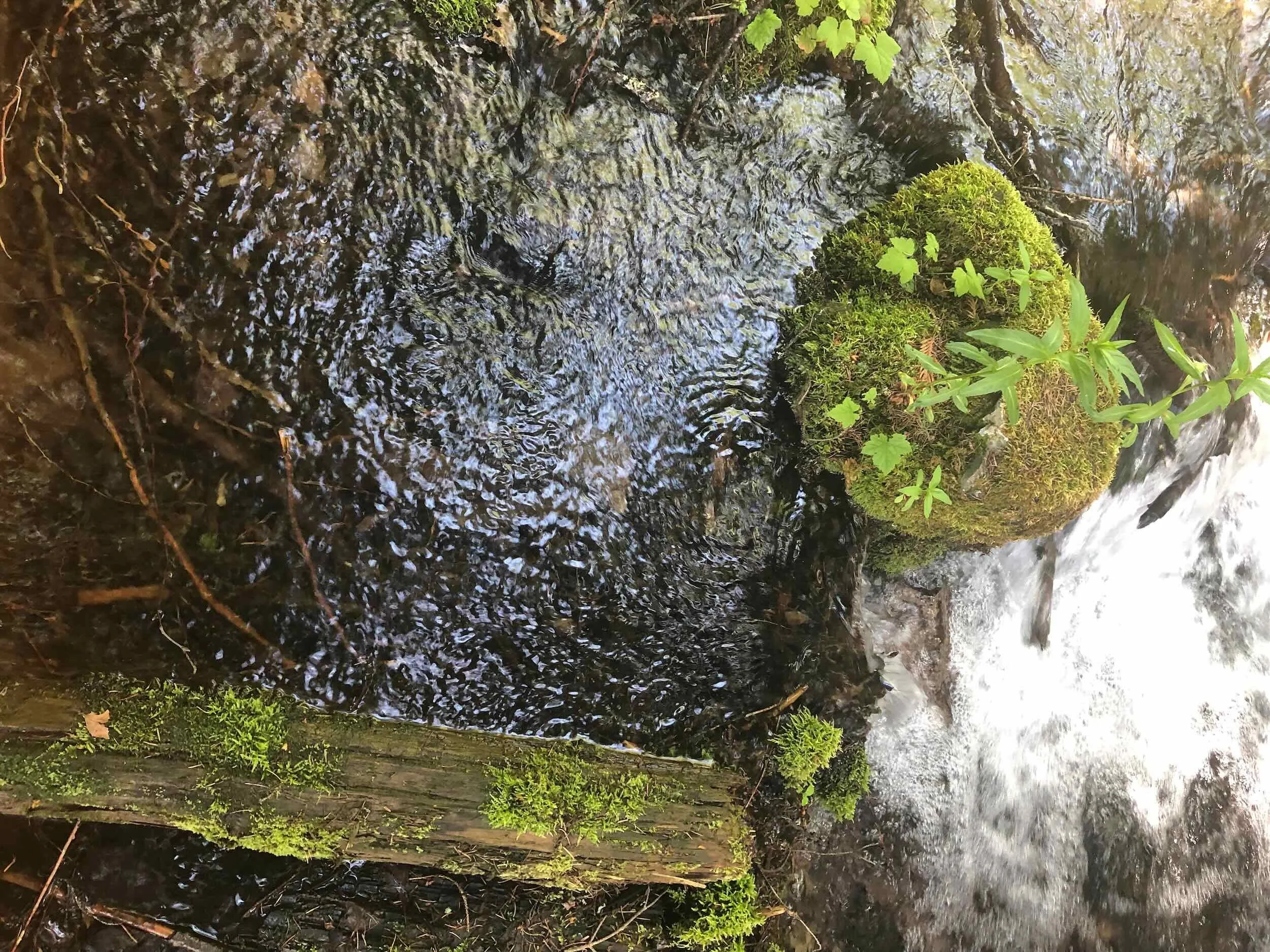
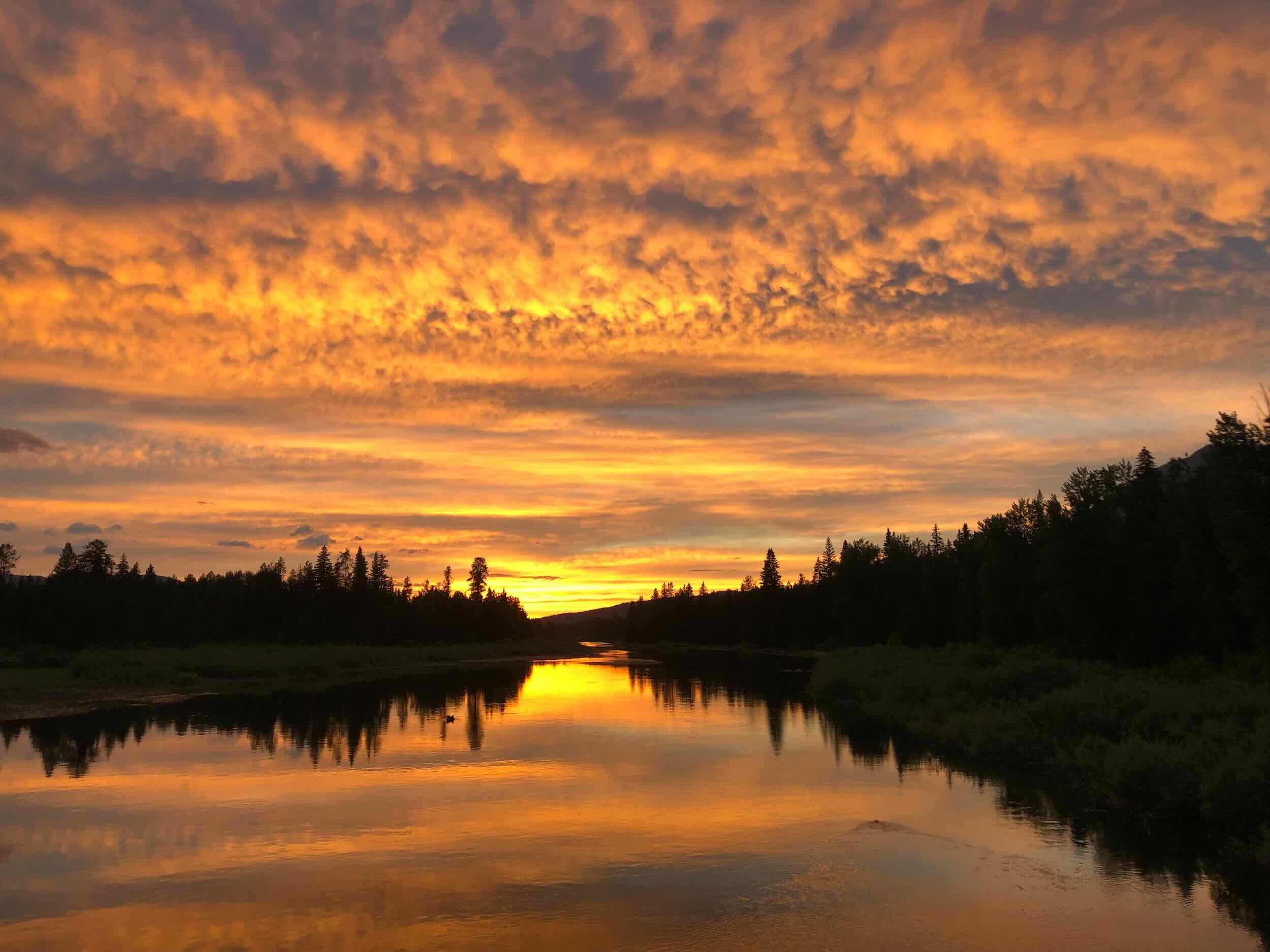
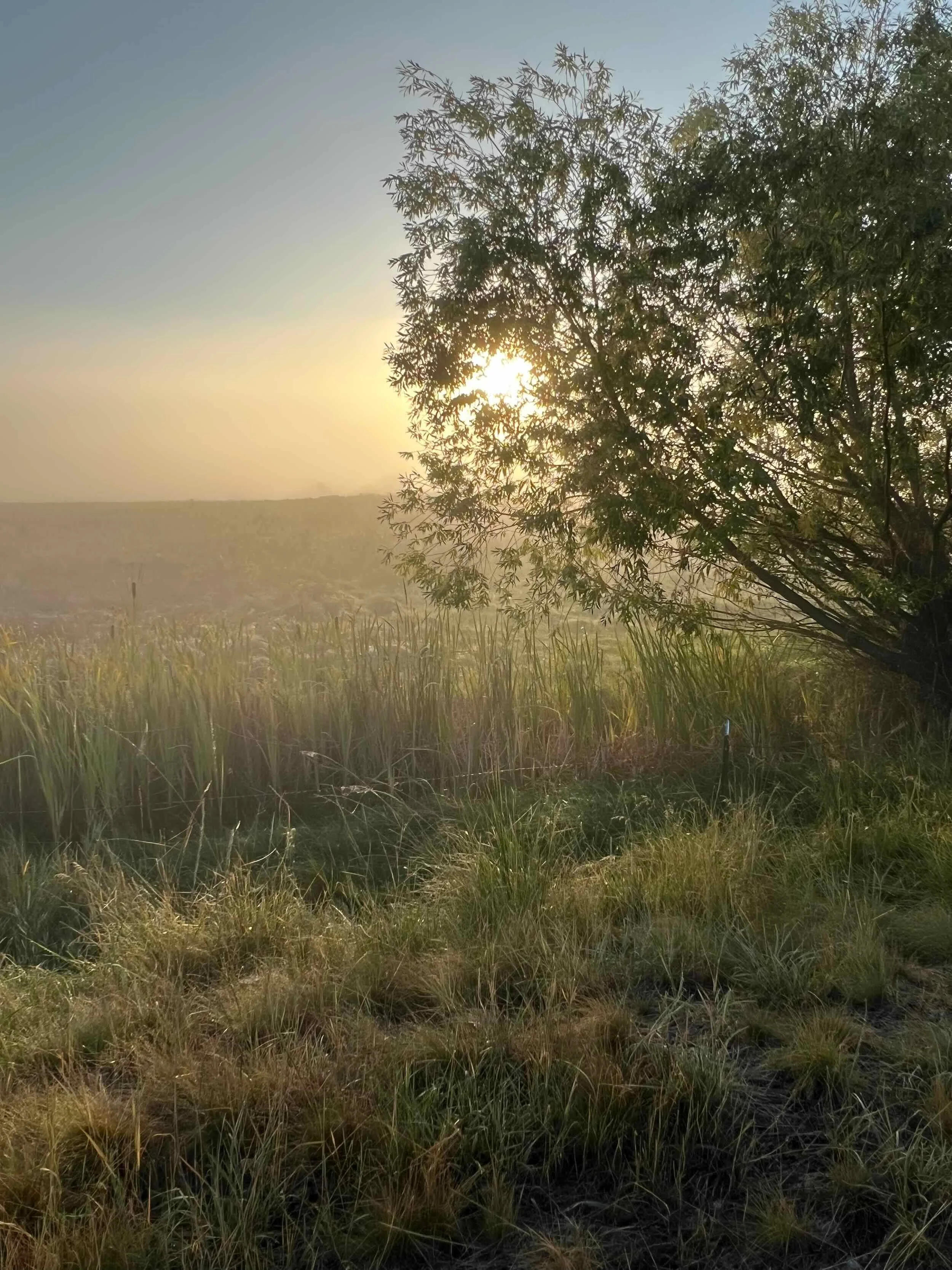
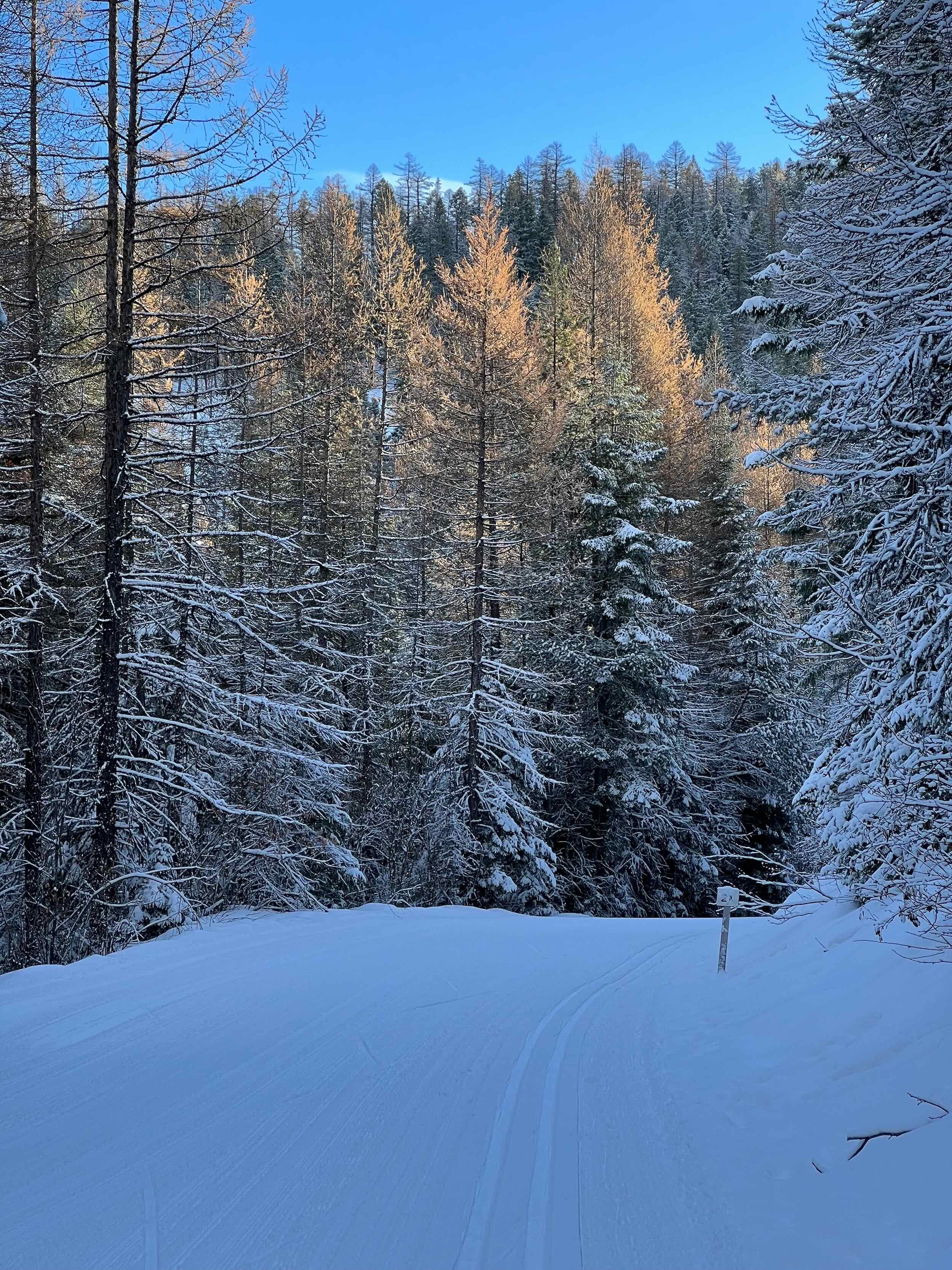
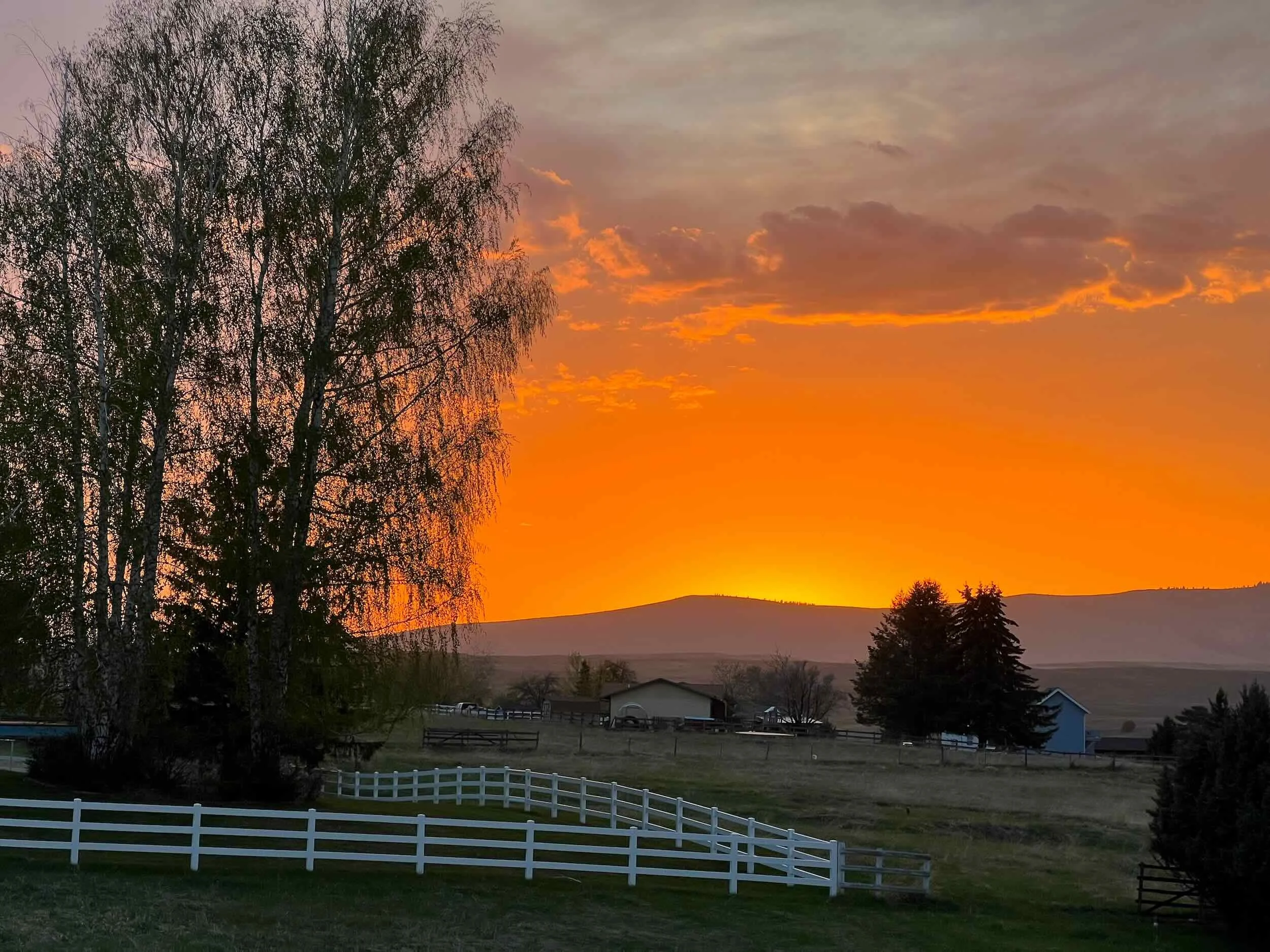
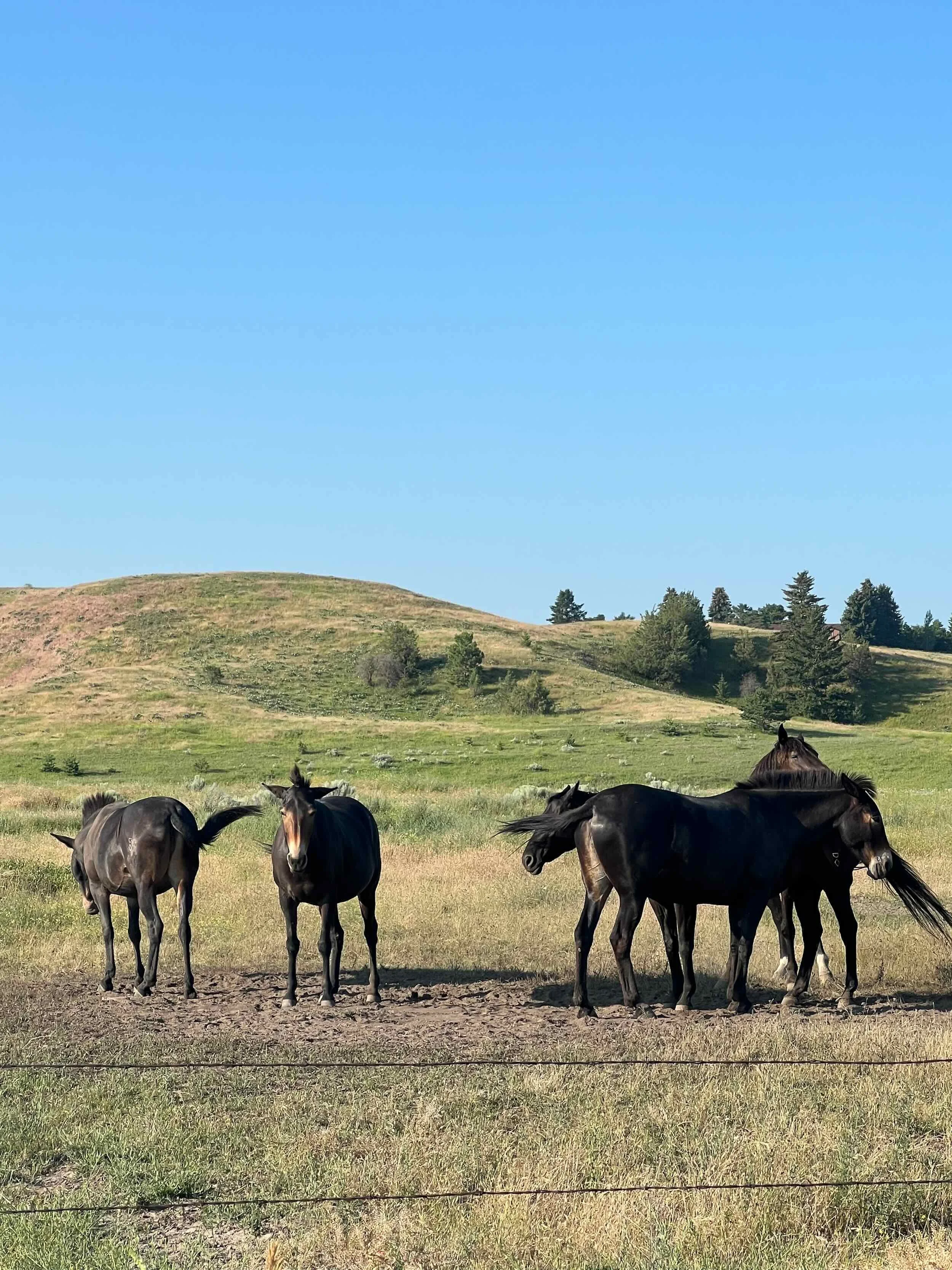
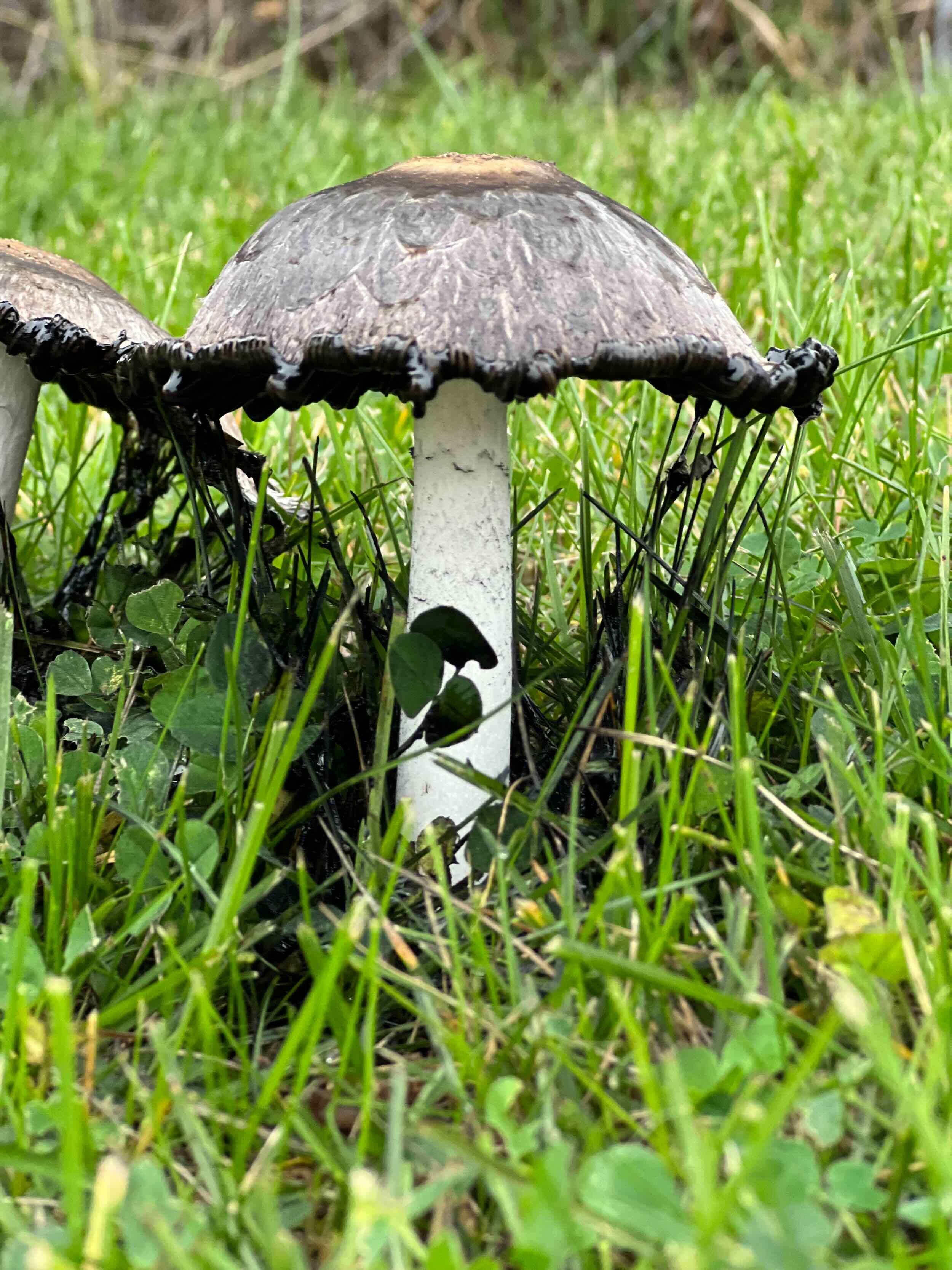
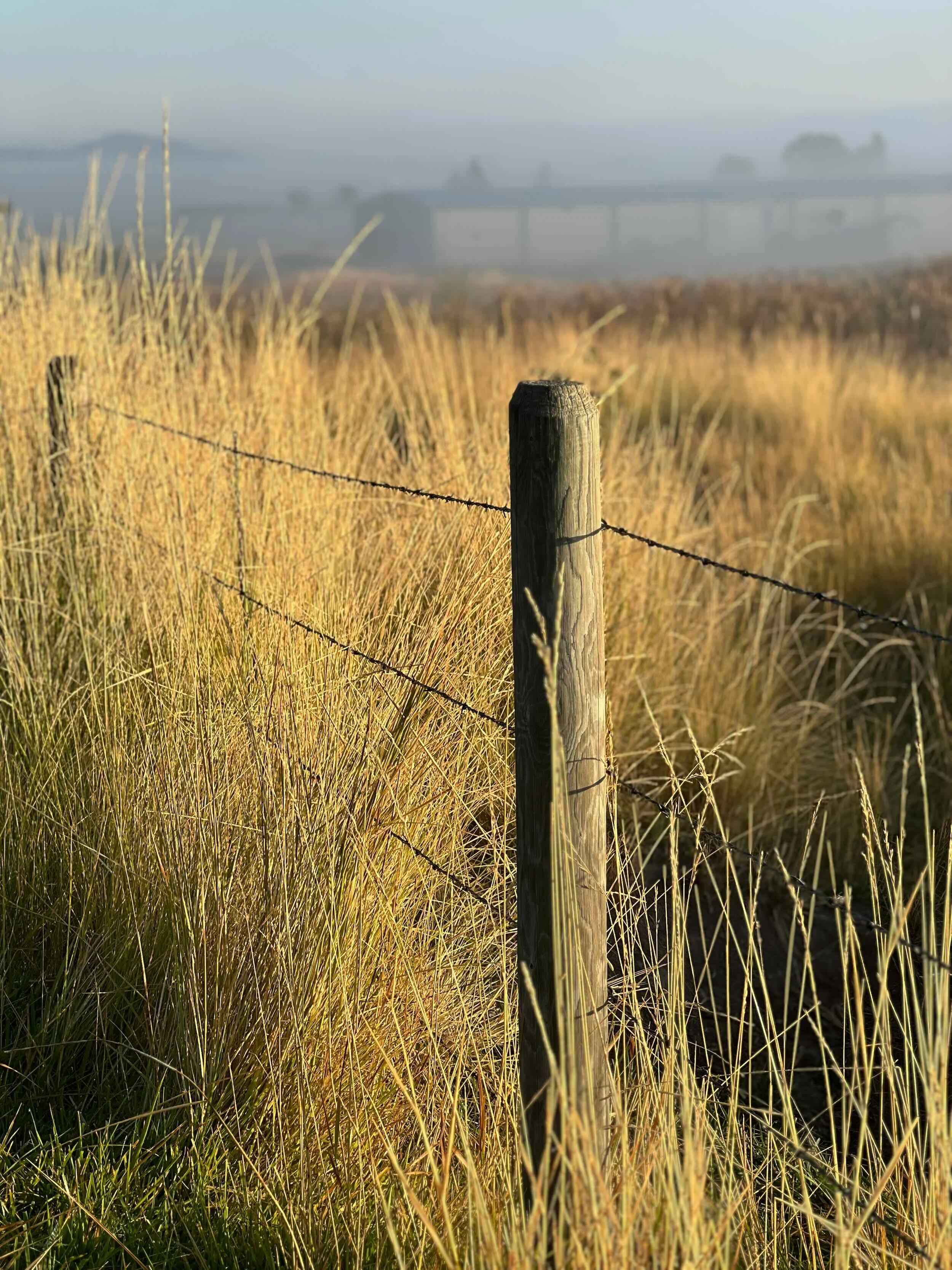
Using my own photography as reference allows me to create artwork that feels personal and grounded in lived experience. These images hold memory and emotion, which naturally translate into more meaningful paintings.
Learning From Other Artists Without Copying
Instagram is another valuable source of artistic inspiration. I follow artists whose work I admire and return to their accounts when I need creative momentum. However, I’m intentional about staying on the right side of inspiration versus imitation.
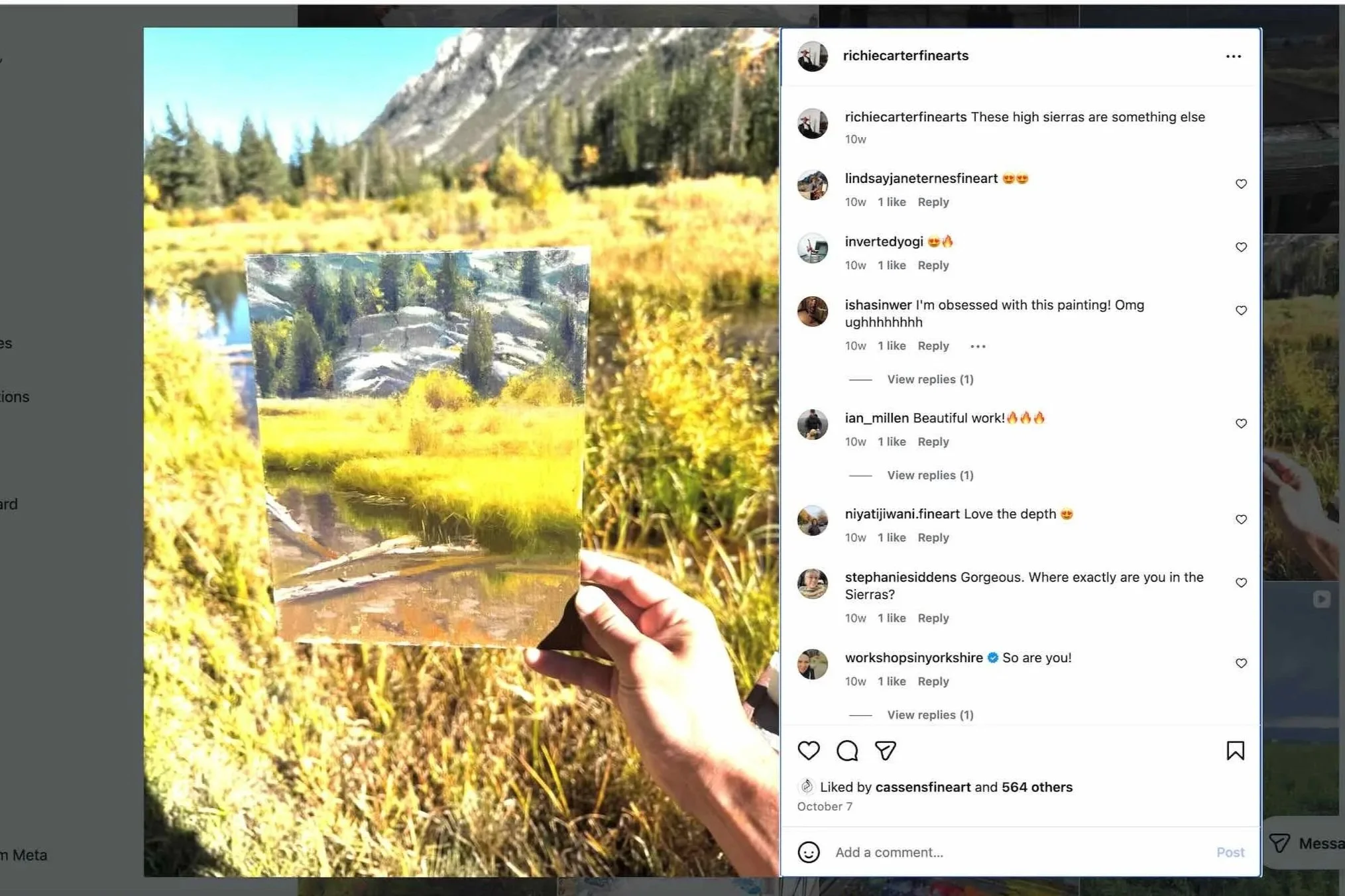
One of my favorite local artists, Richie Carter, provides endless inspiration.
When something resonates with me, I pause to identify why. Is it the color harmony? Paint texture? Subject matter? Composition? Once I define those elements, I step away from the original image and begin sketching my own ideas. I intentionally change multiple components—altering perspective, adjusting the palette, or reworking the structure—so the final piece reflects my own artistic voice.
This approach allows me to learn from other artists while maintaining originality and integrity in my work.
Visiting Art Galleries for Creative Inspiration
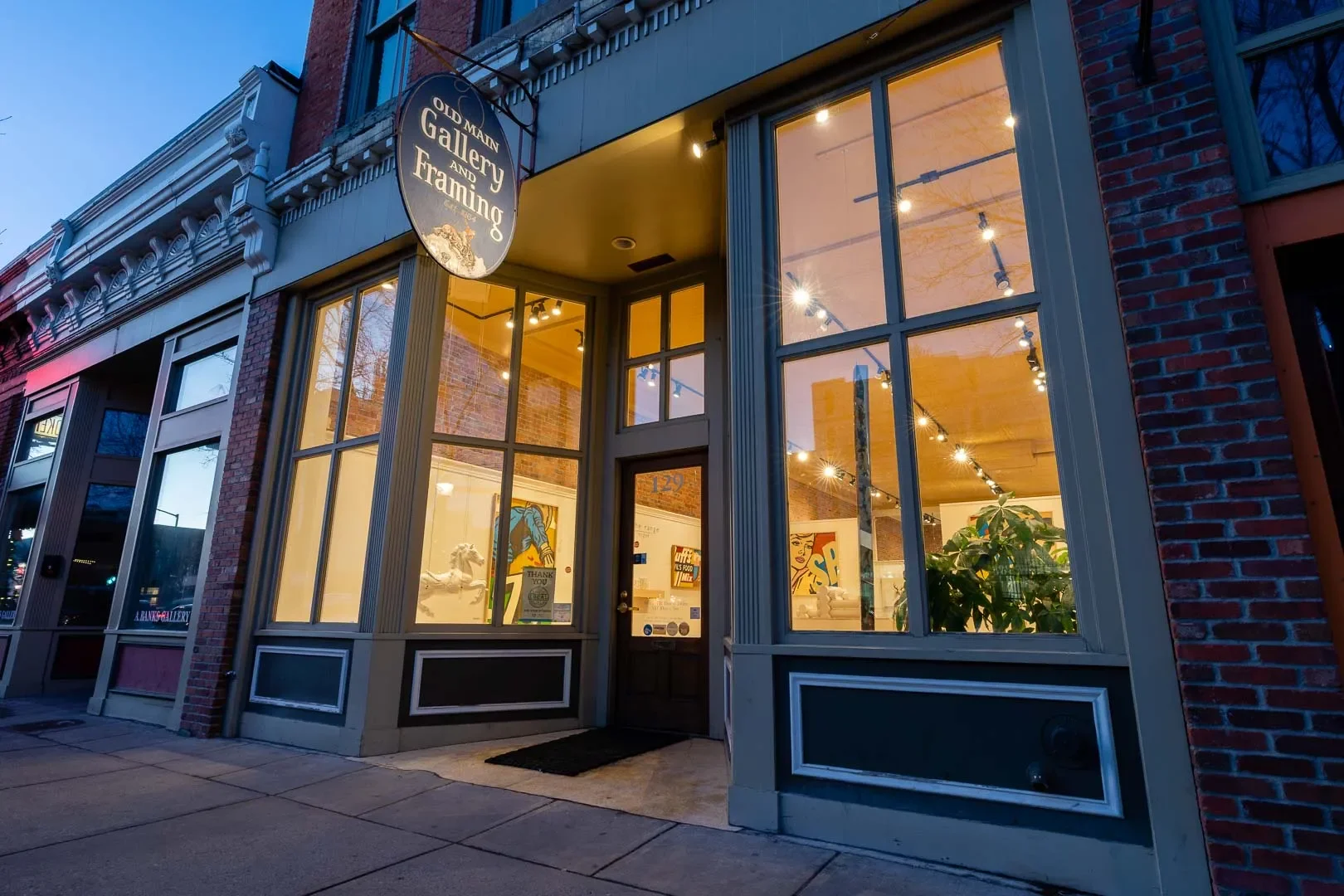
The Old Main Gallery in Bozeman, Montana hosts many wonderful and inspiring artists.
While online platforms are helpful, nothing compares to seeing artwork in person. Visiting galleries—especially local and regional galleries—offers invaluable insight into scale, texture, brushwork, and color that can’t be fully appreciated on a screen.
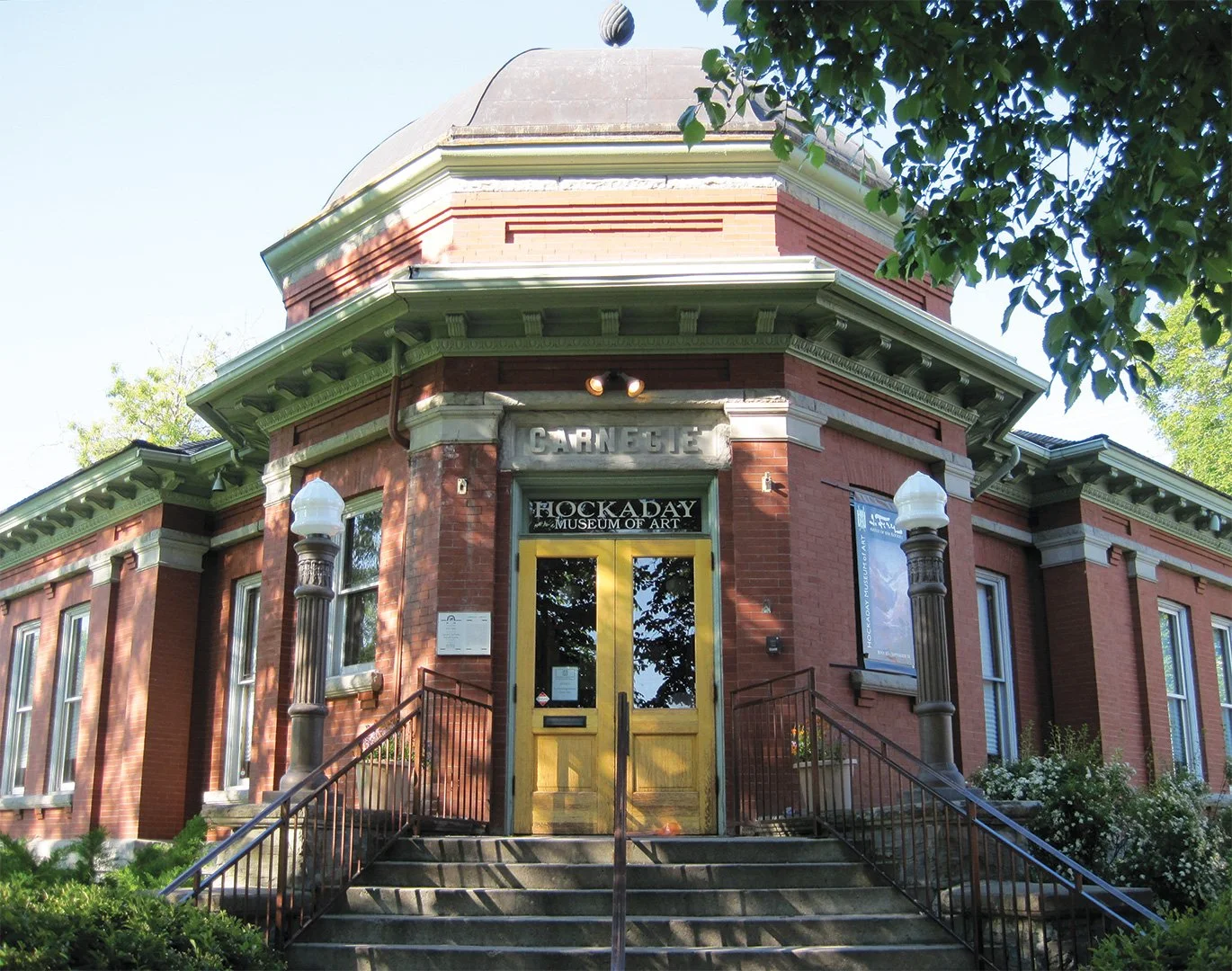
The Glacier Art Museum in Kalispell, Montana often provides inspiration for me.
Whenever I can I make time to explore galleries and discover local artists. These experiences often spark new ideas and remind me that art is a living conversation between artist, viewer, and place.
Inspiration Is an Ongoing Creative Practice
The most important thing I’ve learned about finding inspiration as an artist is that it’s an active practice. Inspiration comes from paying attention—collecting ideas, documenting the world around you, studying other artists thoughtfully, and immersing yourself in art whenever possible.
Creativity doesn’t always arrive fully formed. Often, it begins as a quiet spark. By staying curious and engaged, I’m able to nurture those sparks into finished paintings that feel authentic and deeply personal.
If you have any ways you find creativity and inspiration, please share. I’m always open to new ideas.