Five Artists Who Shape My Work: Reflections on Light, Landscape, and Process
As artists, we are never working in a vacuum. Every brushstroke carries echoes of the painters we have studied, admired, and returned to again and again over the years. Some influences are rooted in childhood memories, while others arrive later through books, museums, or the quiet scroll of social media. These five artists have each left a distinct imprint on my work, shaping how I think about light, landscape, color, and the emotional weight a painting can hold.
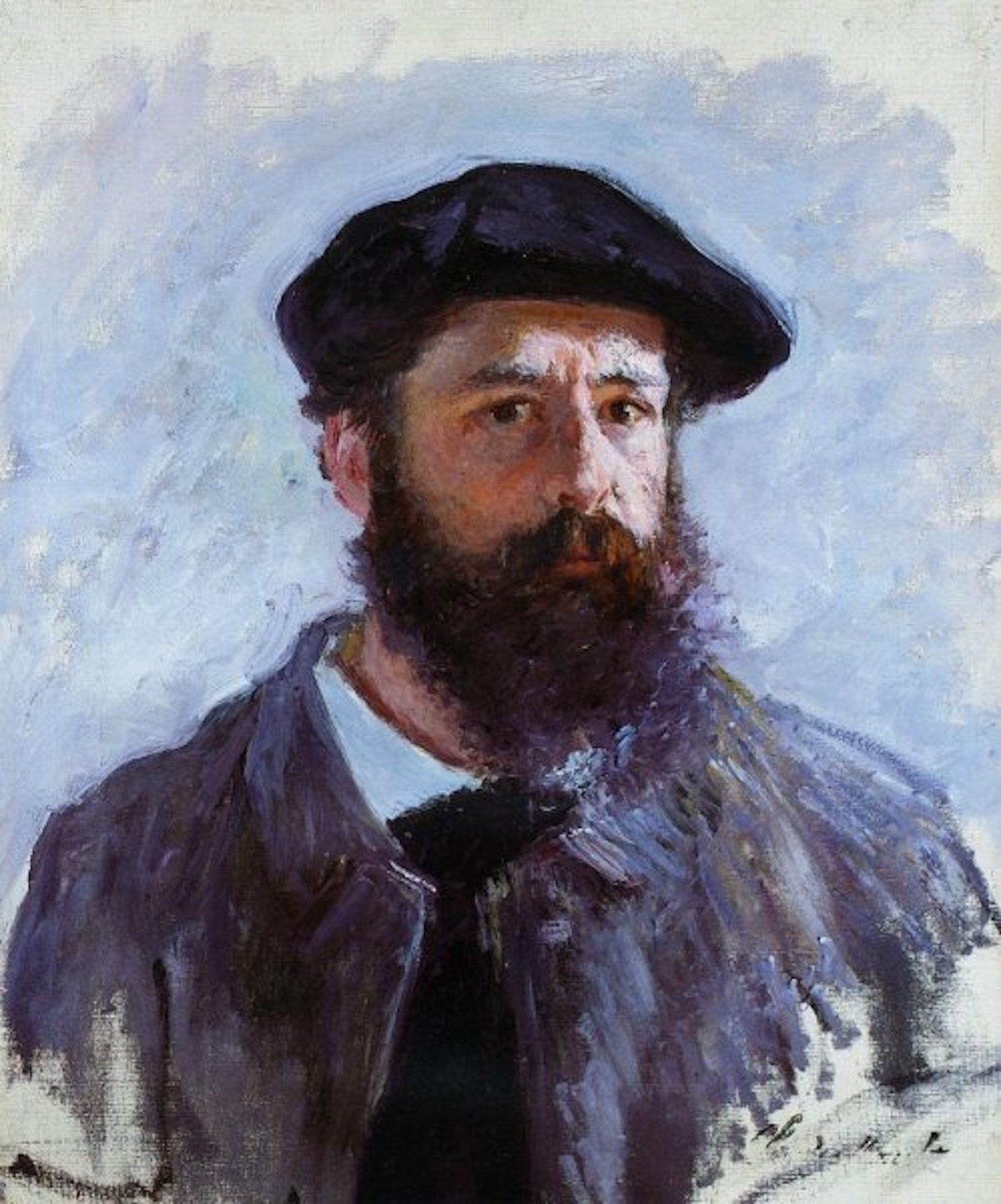
Claude Monet: Father of Impressionism
The first time I saw a Monet painting in person was during an eighth grade trip to the National Gallery of Art in Washington, DC. Even at that age, before I could articulate why, I knew I was standing in front of something special. Years later, seeing his work again at the Musée d’Orsay in the early 2010s only deepened that impression.
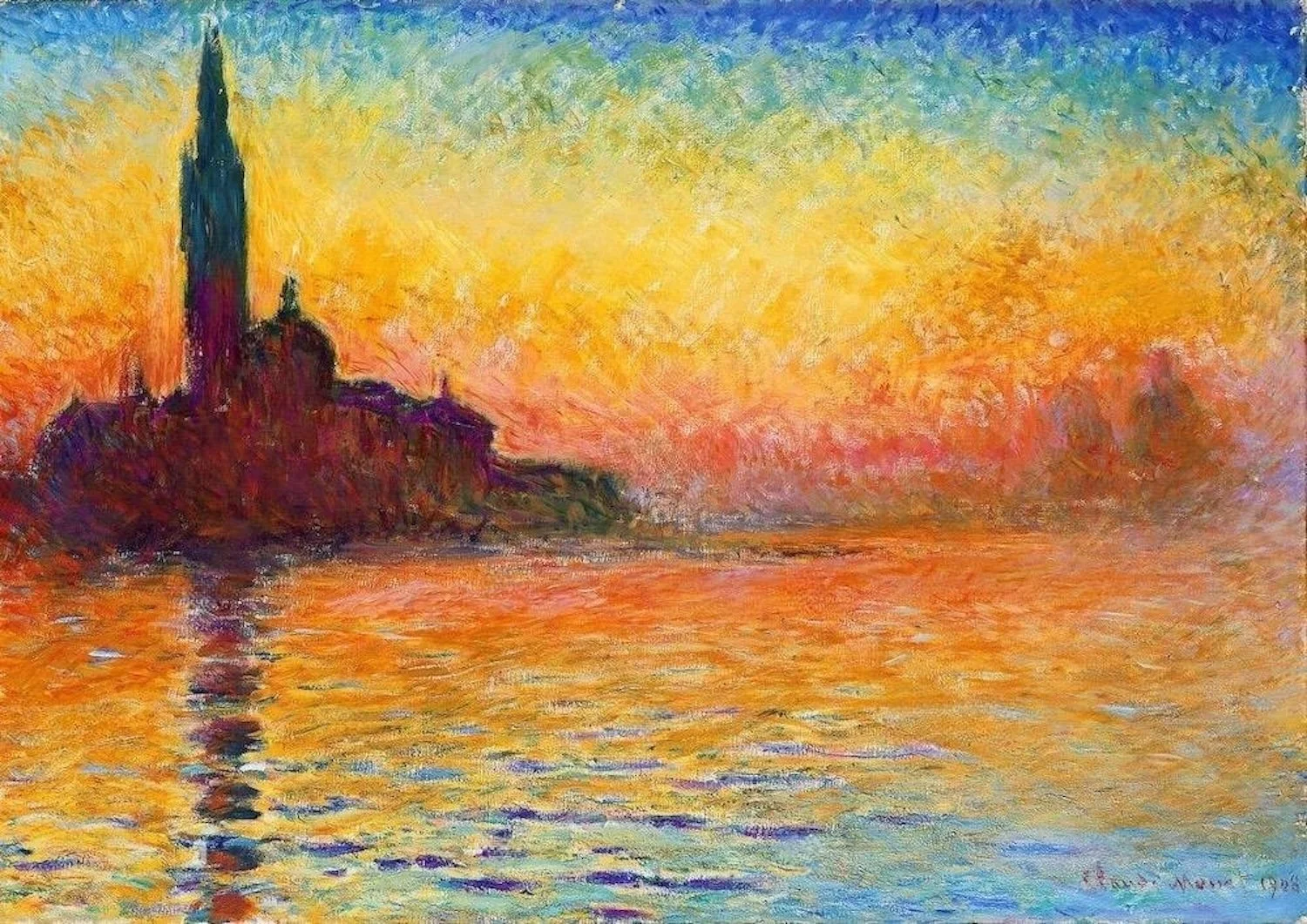
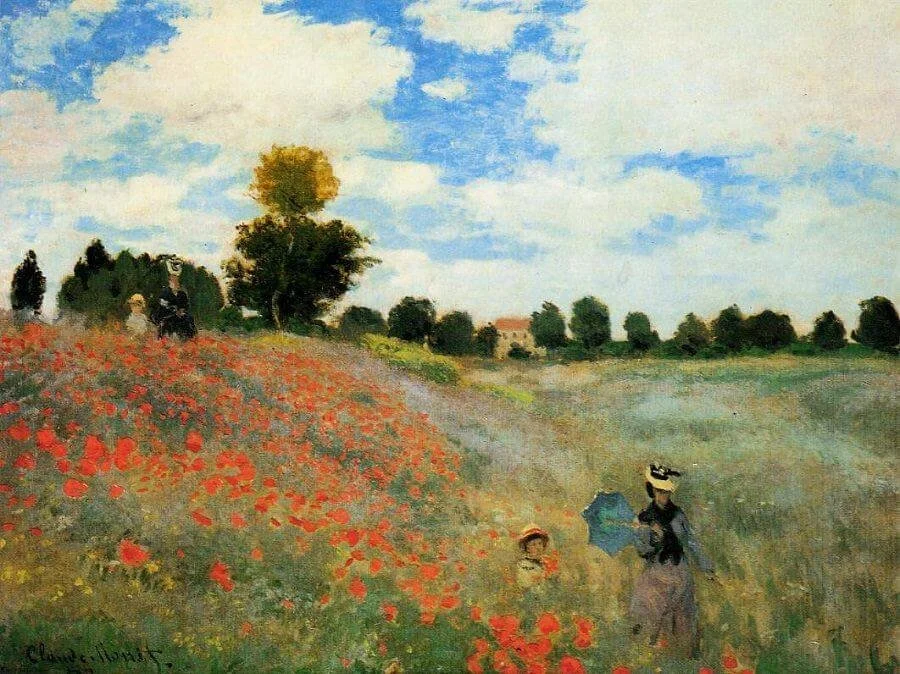
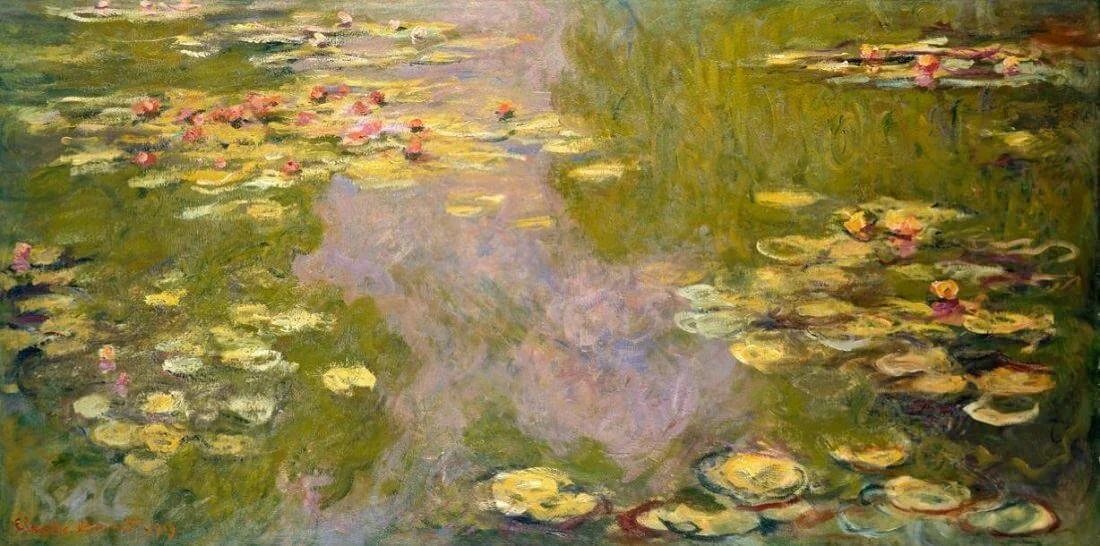
Monet’s mastery lies in his ability to place brushstrokes next to one another, seemingly simple marks that together create movement, form, and energy. His dedication to studying light, often painting the same landscape at different times of day, fundamentally changed how I think about observation and patience in art. The sheer immensity of his Water Lilies series was astonishing, creating an immersive experience that feels quiet and expansive all at once.
Themes I appreciate:
Light: San Giorgio Maggiore at Dusk, 1908
Landscape: The Poppy Field near Argenteuil,1873
Large works: The Water Lilies series, 1916
Winslow Homer: Master of Watercolor and Beyond
I first encountered Winslow Homer’s work on that same eighth-grade trip to the National Gallery of Art. His paintings stayed with me for a different reason. Homer worked confidently across multiple media, including watercolor, oil painting, and illustration, and I find that deeply encouraging. As someone who finds it difficult to practice only one medium, his example feels validating.
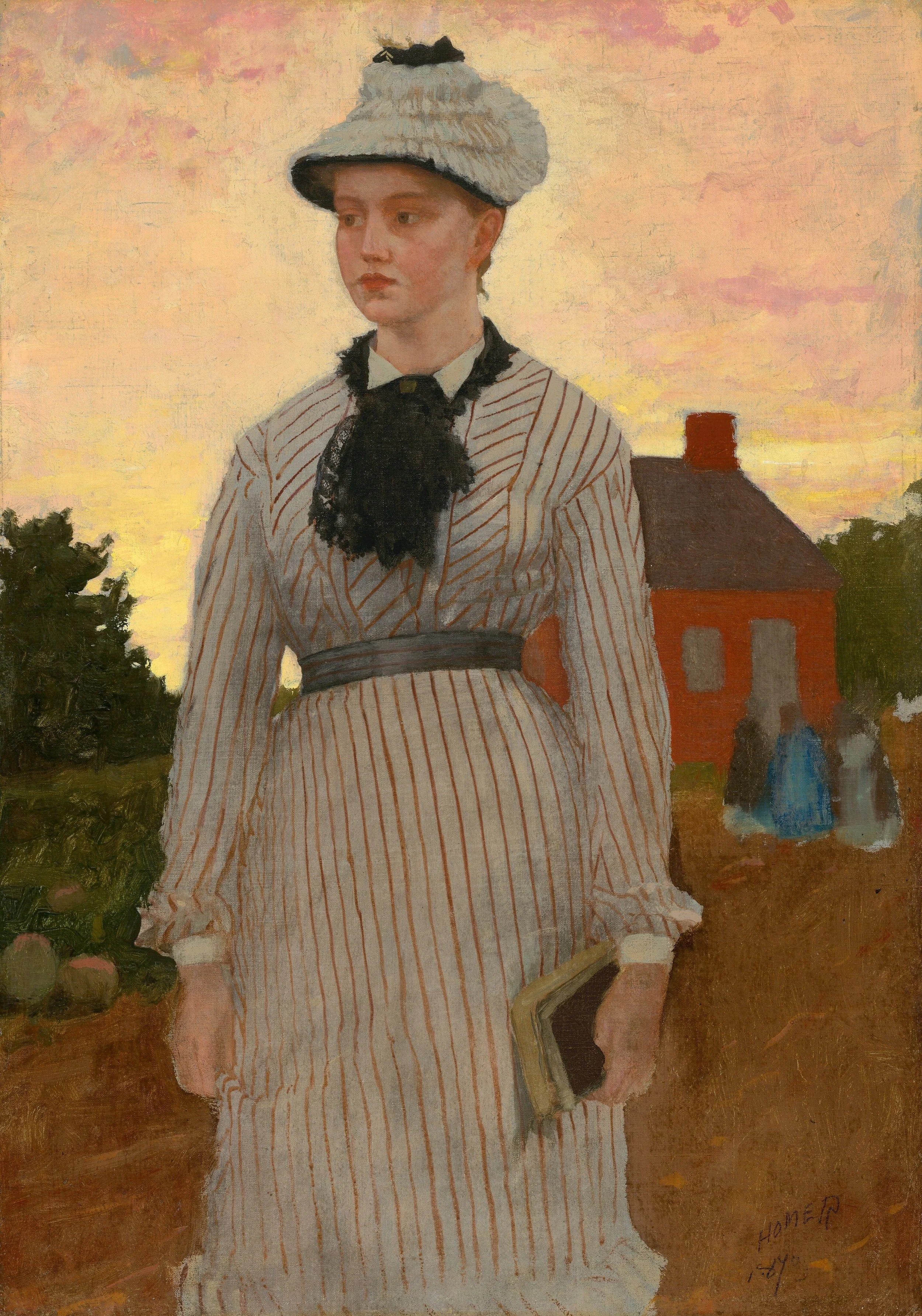
Homer painted from the late 1850s until he died in 1910, and his work consistently reflects a respect for nature and the quiet strength of his subjects. He was a pioneer in American art, especially in the depiction of working women, not merely as beautiful subjects but also for their strenuous courage and fortitude.
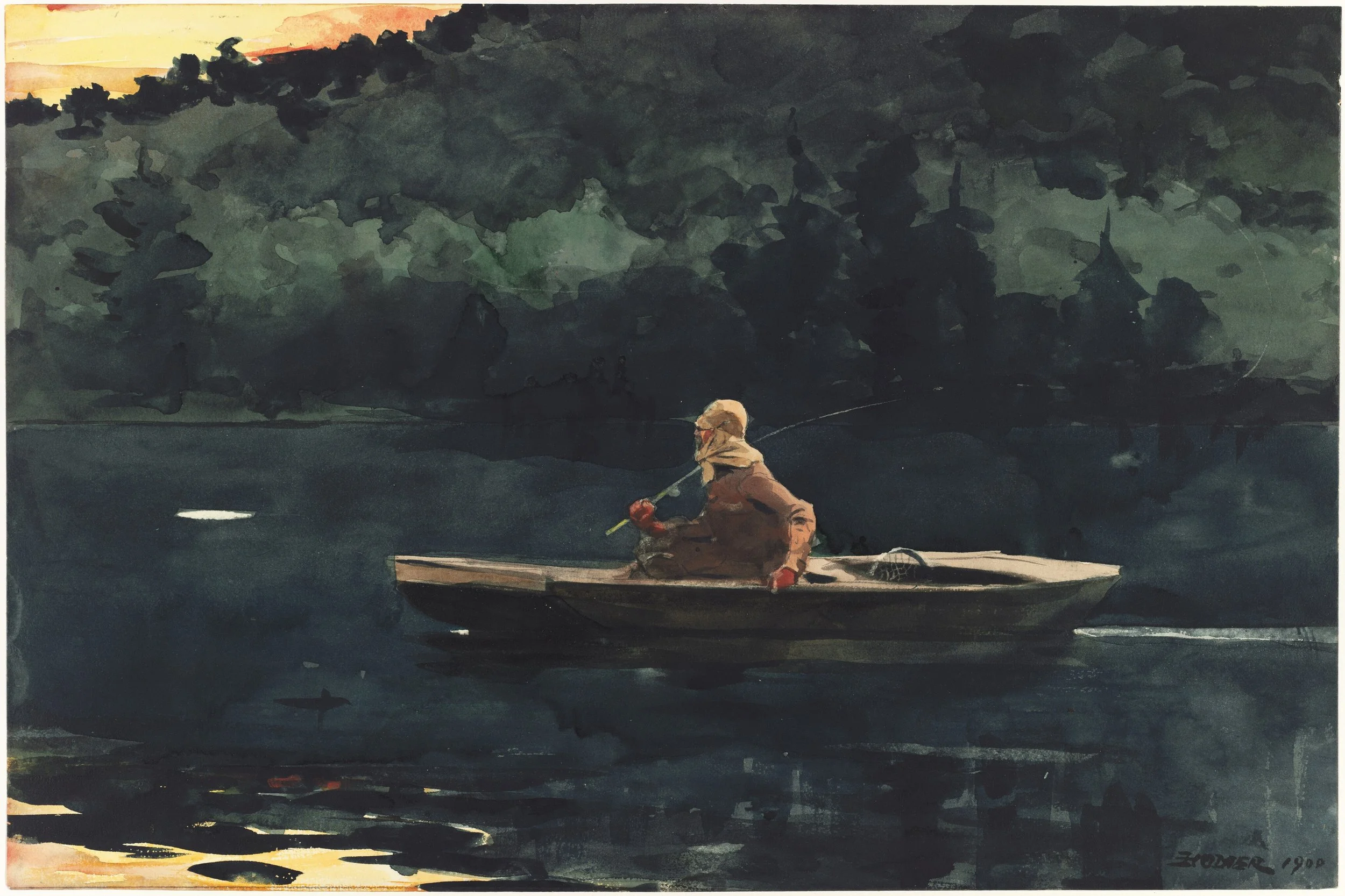
His watercolors, in particular, demonstrate an incredible economy of mark and a deep understanding of atmosphere.
Themes I appreciate:
Nature: The Rise, 1900
Independent women: The Red School House, 1873
Erin Hanson: Modern Impressionist Landscapes
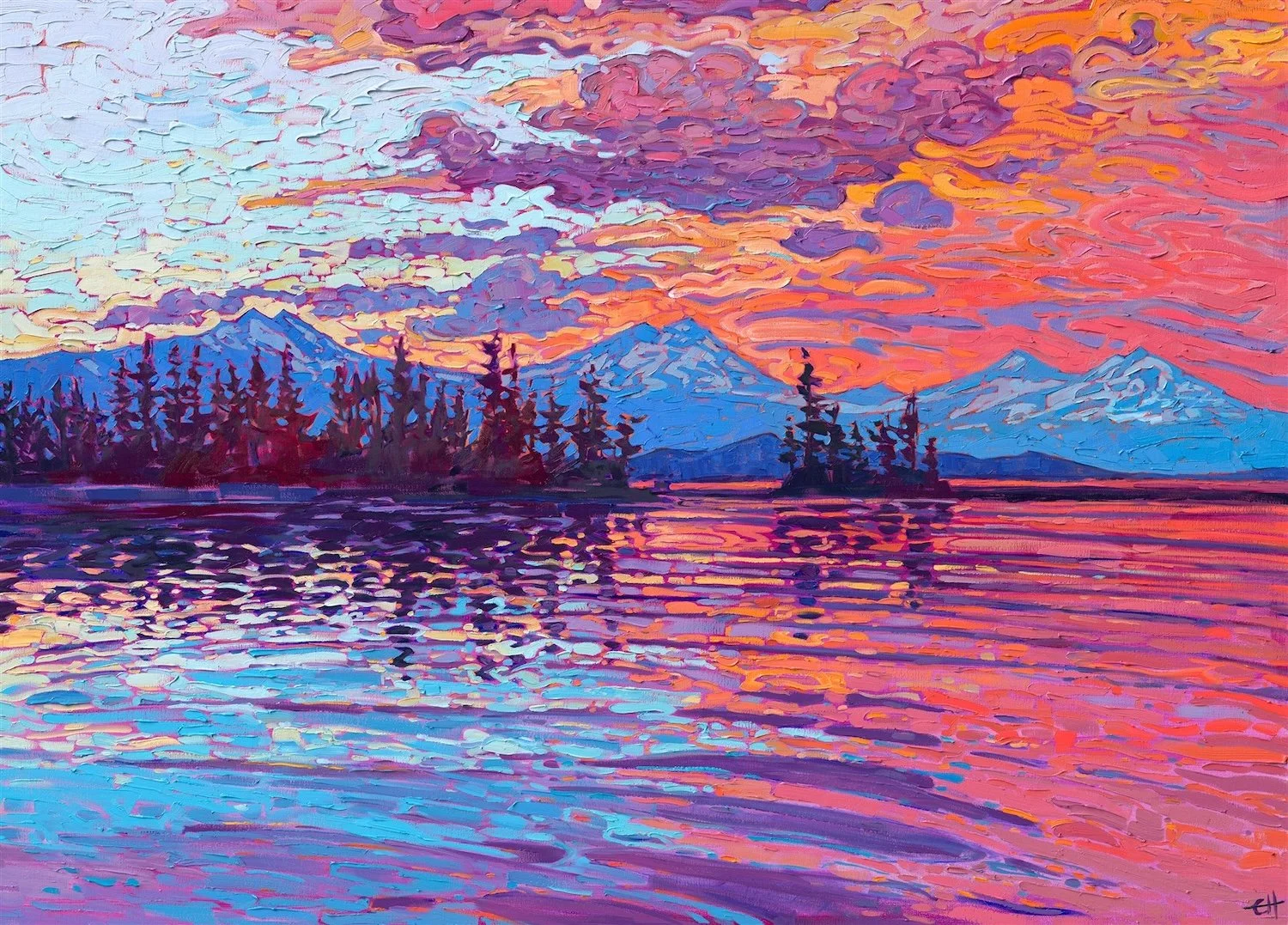
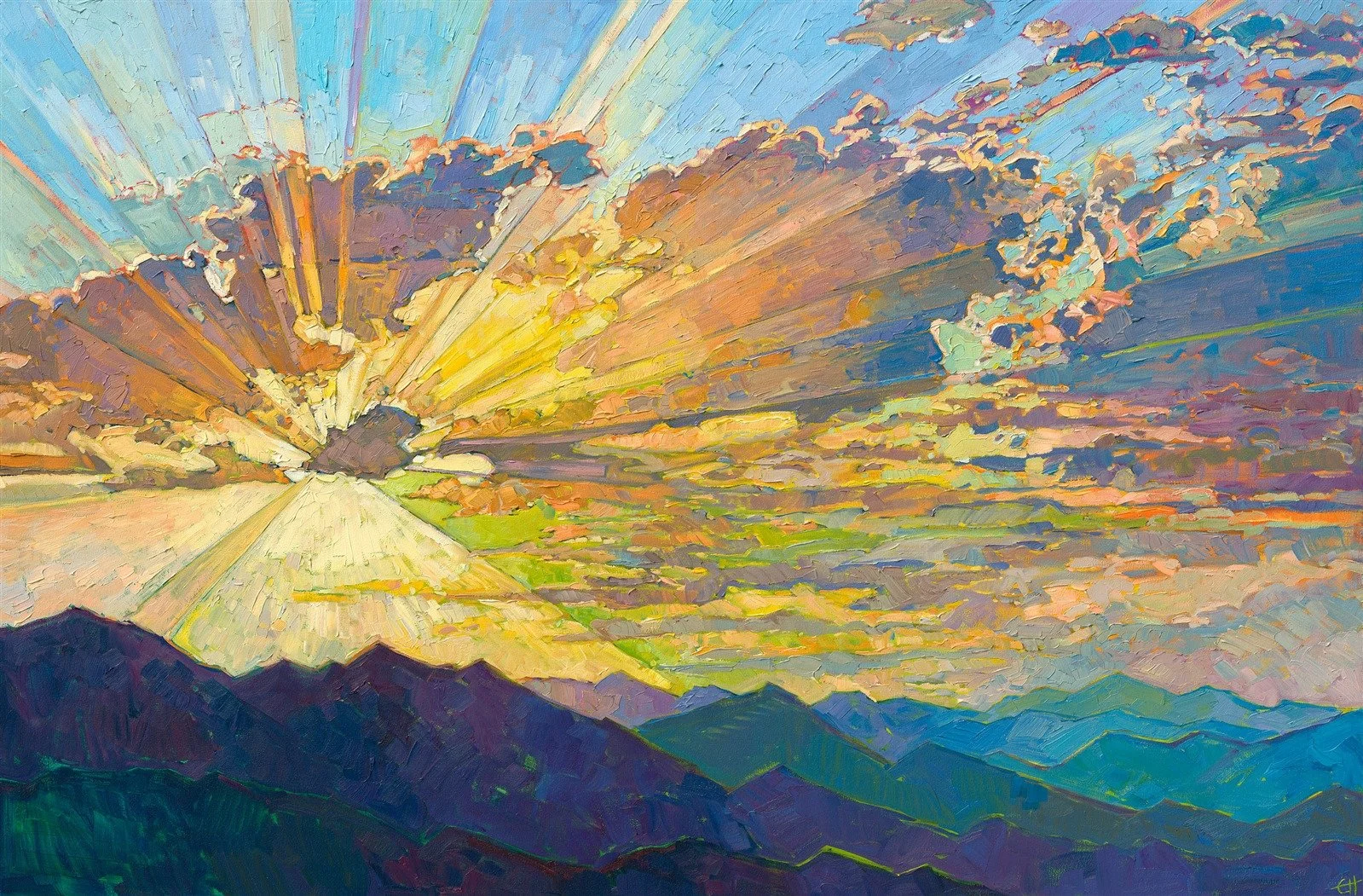
The way Erin Hanson captures light and landscape with vibrant color and limited brushstrokes is endlessly inspiring. She is a prolific painter, often creating one work a week, a practice that speaks to both discipline and trust in the creative process.
Her paintings take on an almost stained-glass quality because of their luminosity and bold segmentation. There is clarity and confidence in her approach that I admire deeply, particularly in her use of color to convey light and energy.
Themes I appreciate:
Playful color palette and expressive strokes: Oregon Cascades, 2020
Light: Radiant Sky, 2018
David Mensing: Mood and Light in Motion
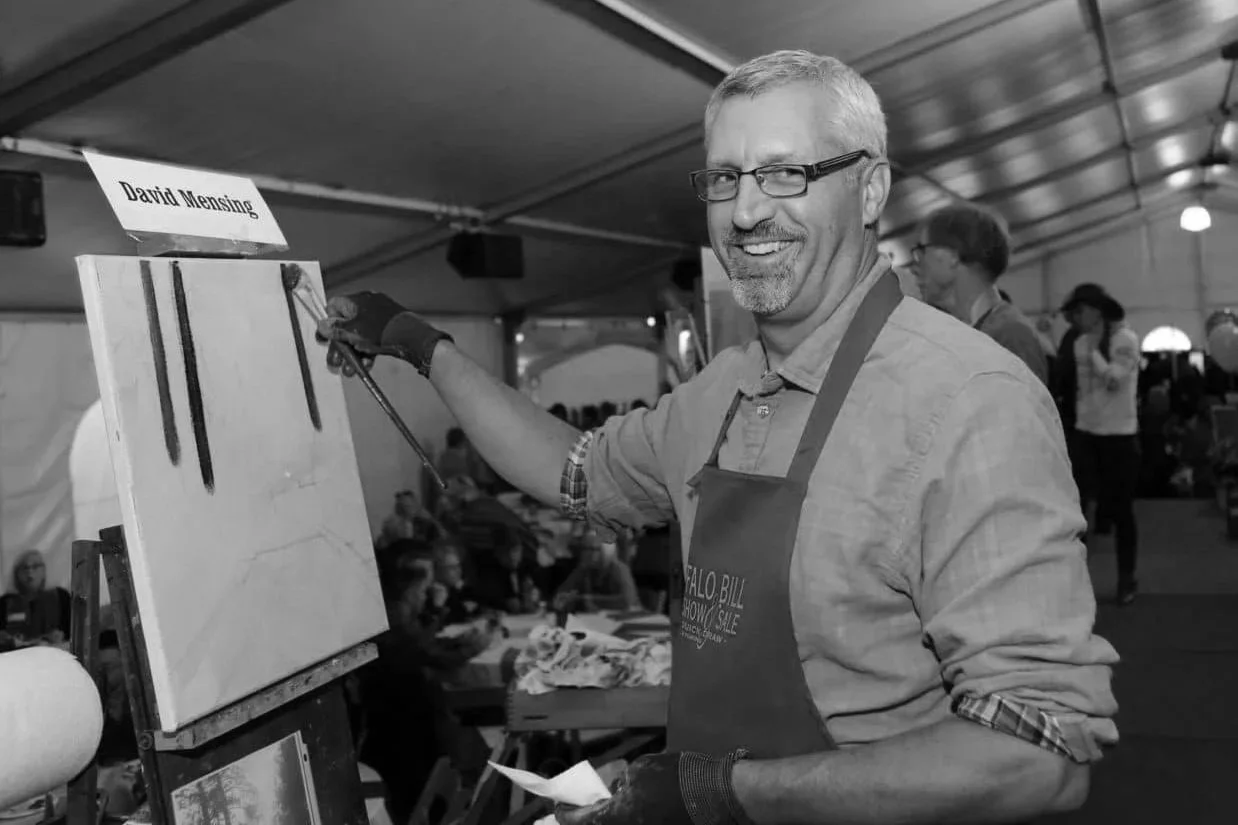
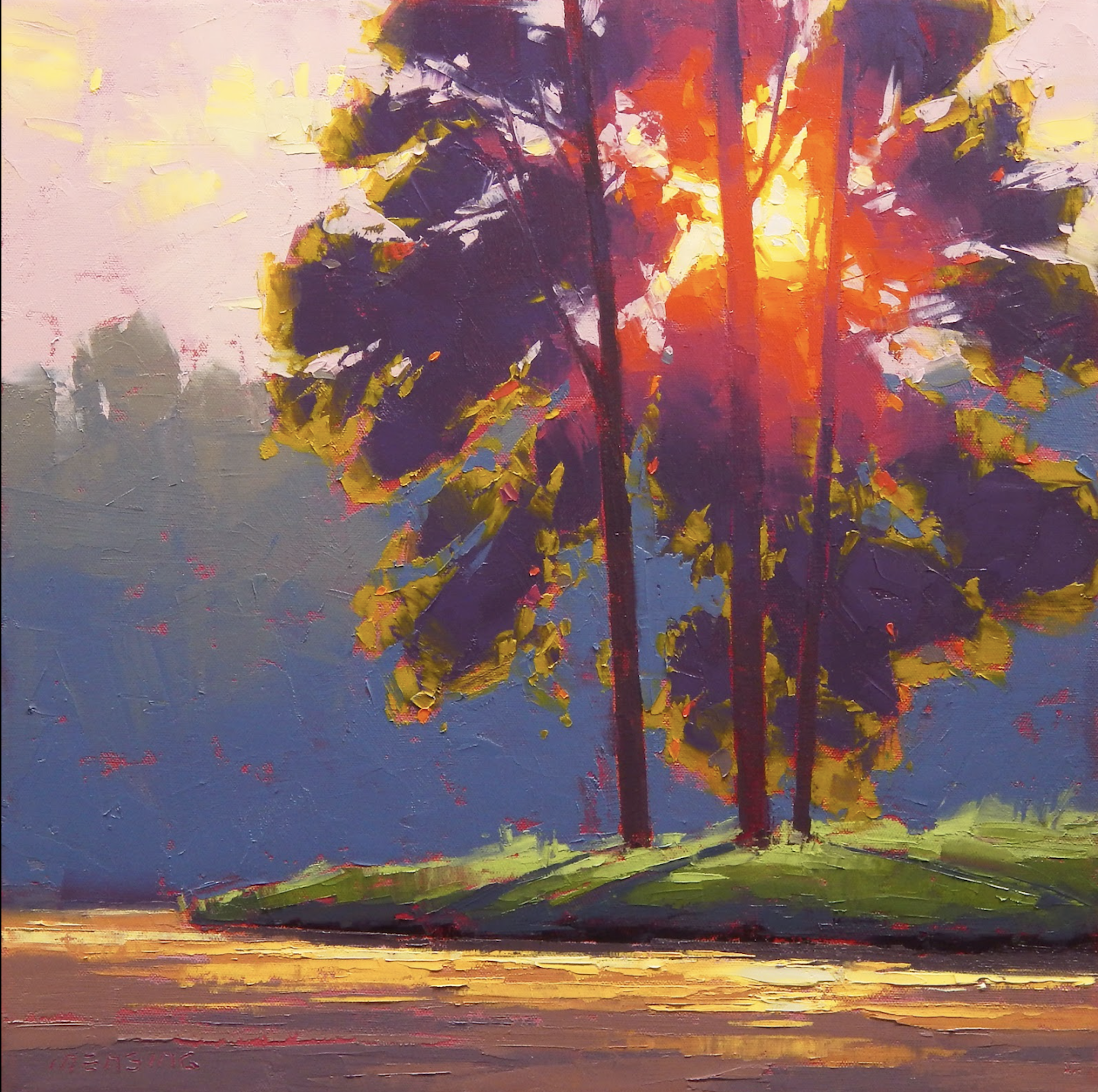
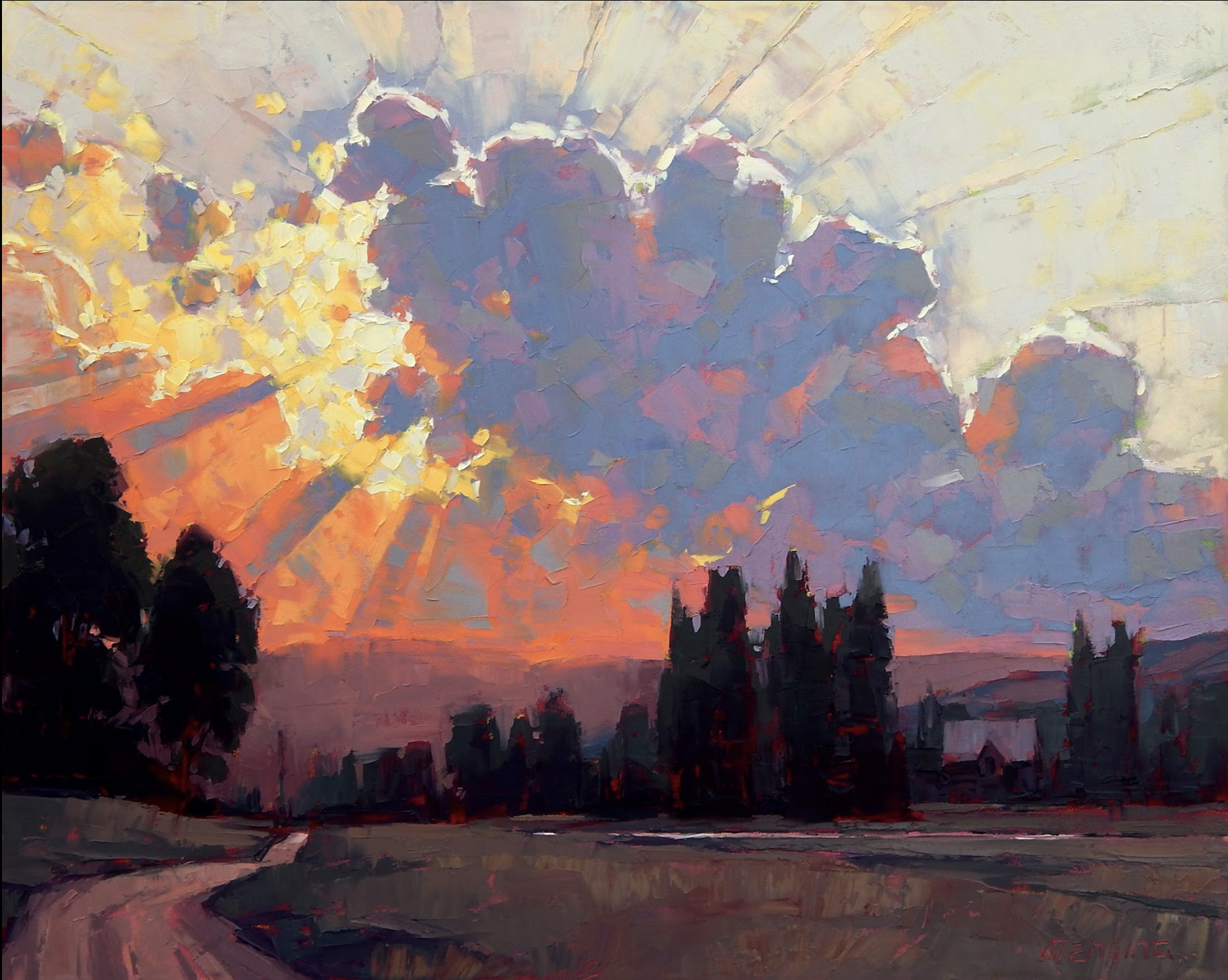
David Mensing’s oil landscapes are a study in mood. His ability to paint backlight trees and forests with minimal brushstrokes feels effortless, yet highly intentional. What stands out most to me is his mastery of color combinations that instantly establish atmosphere and emotion.
Themes I appreciate:
Katarzyna Kmiecik: Bold Watercolor Landscapes
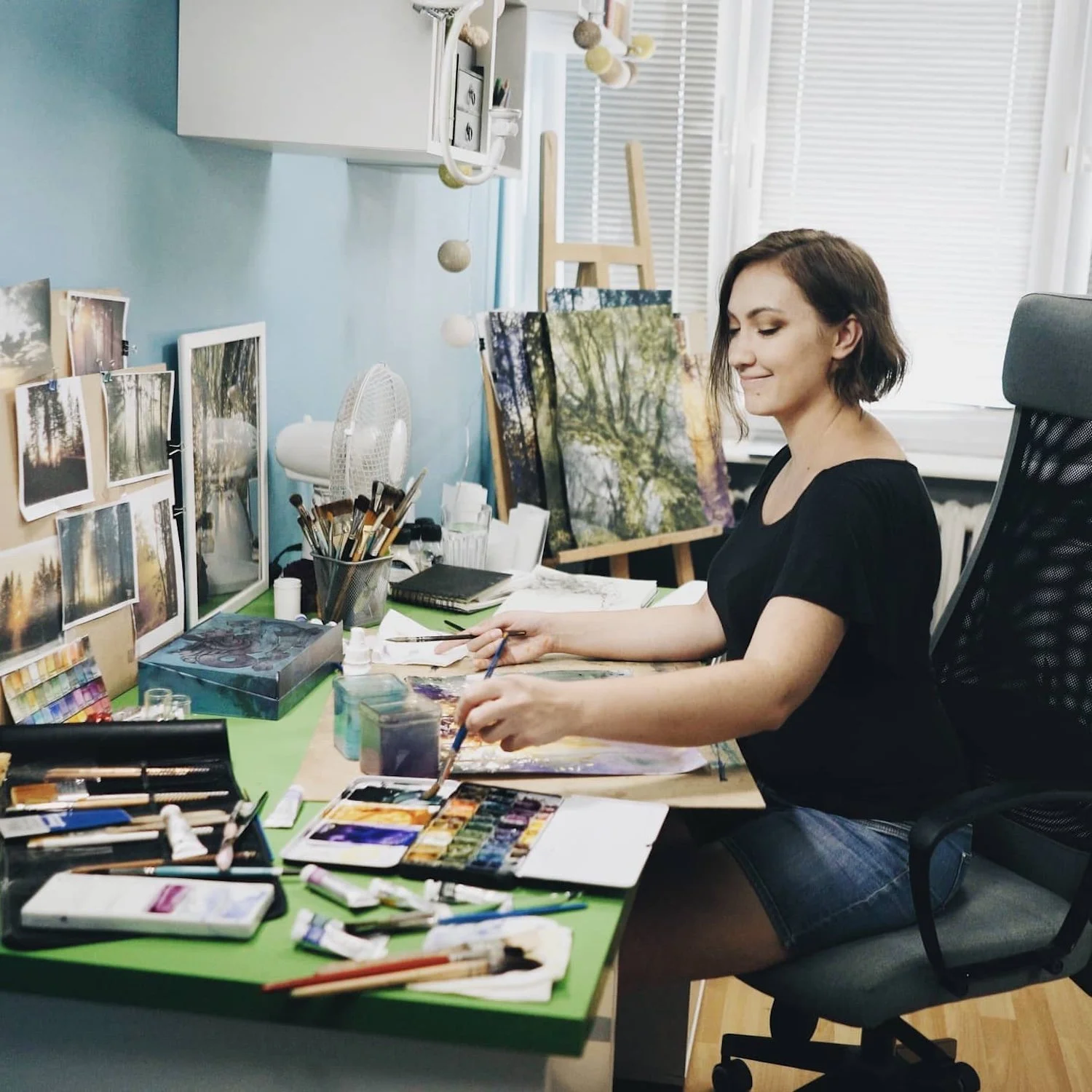
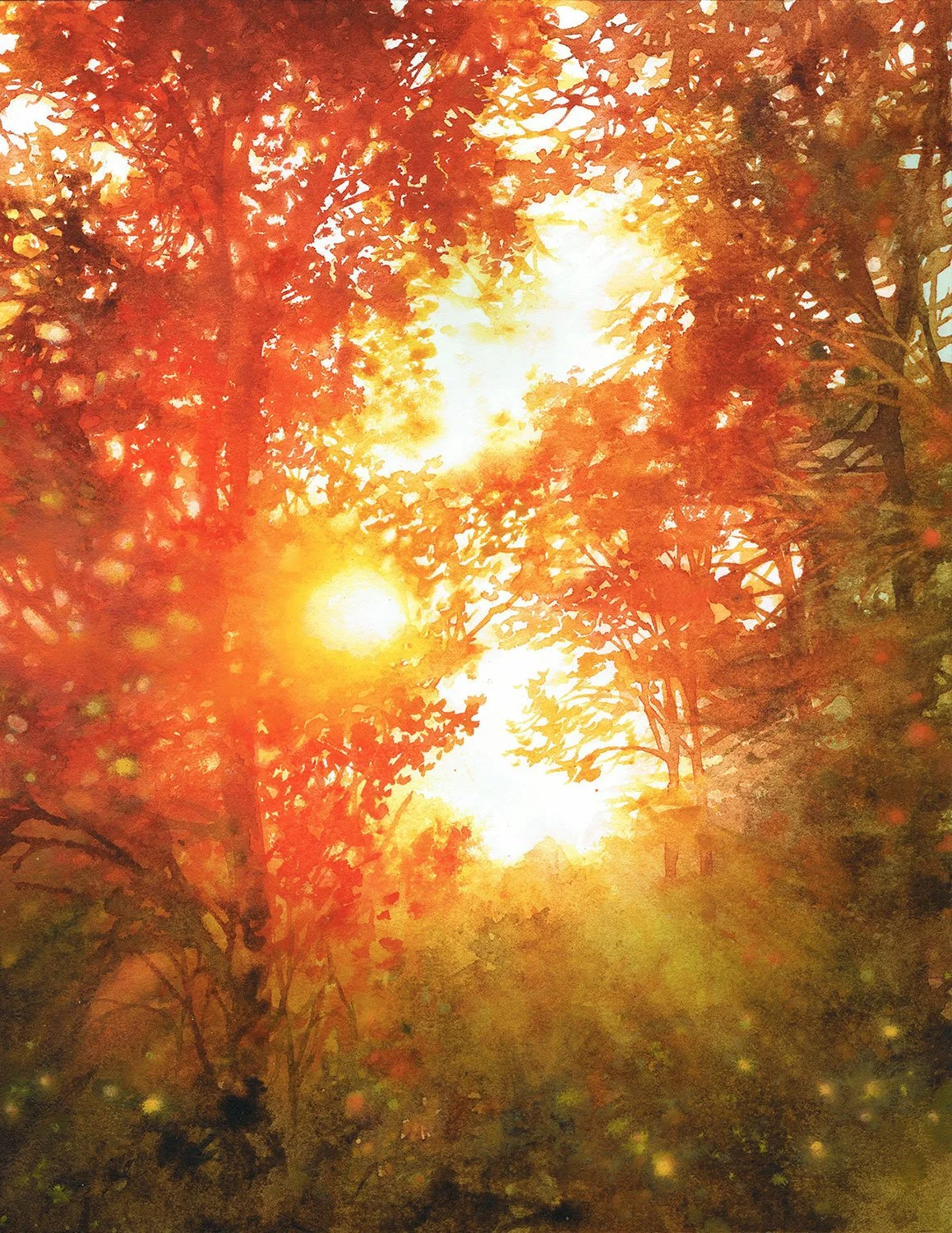
I have followed Katarzyna Kmiecik on Instagram for several years, and every time one of her paintings appears in my feed, I stop. Her work draws me in immediately. The boldness of her color, something that is particularly challenging to achieve in watercolor, paired with her confident mastery of the medium is both exciting and inspiring.
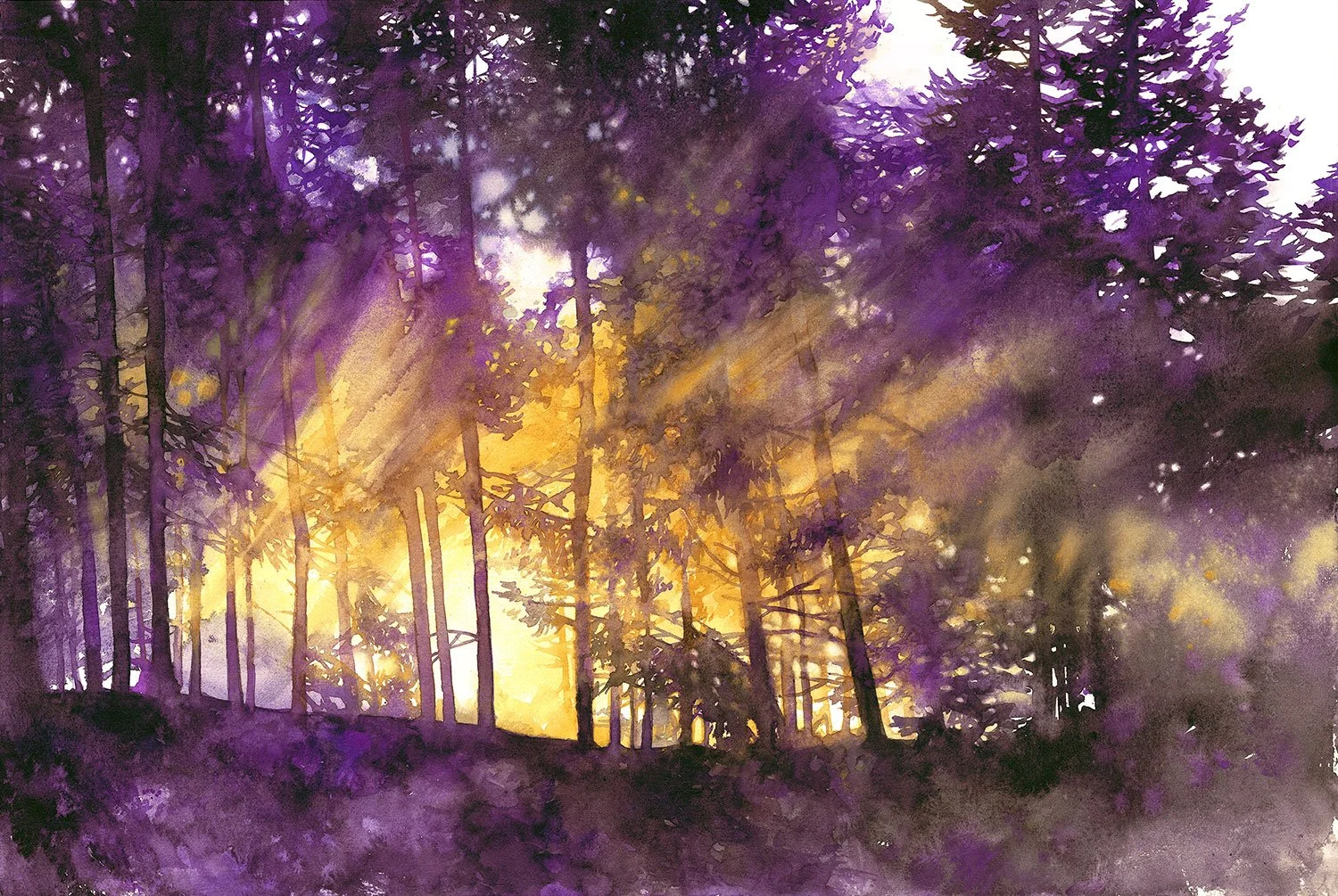
Her landscapes often rely on unexpected and simplified color palettes, creating scenes that feel contemporary while remaining deeply connected to nature.
Themes I appreciate:
Atypical and simplified color palettes: Light Shining Through the Purple Trees
Backlit forest scenes: Red Sunset Through the Trees
Final Thoughts
Each of these artists influences me in a different way through light, color, scale, discipline, or courage. Together, they form an ongoing conversation that continues to shape my work in both watercolor and oil.
Paying attention to the artists who shape our visual language is a powerful exercise in creative awareness. I encourage you to take time to reflect on the painters who have influenced your own artistic eye and notice the themes that continue to resurface. For me, it is always light, landscape, and mood, and that exploration continues to guide my work every day in the studio.