Finding My Way as an Artist: Advice for Anyone Starting Out
When I first started painting, I thought improvement would come from inspiration alone. I imagined creativity arriving like lightning, where every good idea would naturally become a successful painting. While moments of inspiration certainly matter, I’ve learned over the years that growth as an artist often comes from quieter things: consistency, preparation, patience, and learning how to work through frustration.
There are so many things I wish someone had told me when I was beginning. Some lessons I learned quickly, while others took years of trial and error. Looking back now, these are the pieces of advice I return to most often and the things I find myself sharing with new painters again and again.
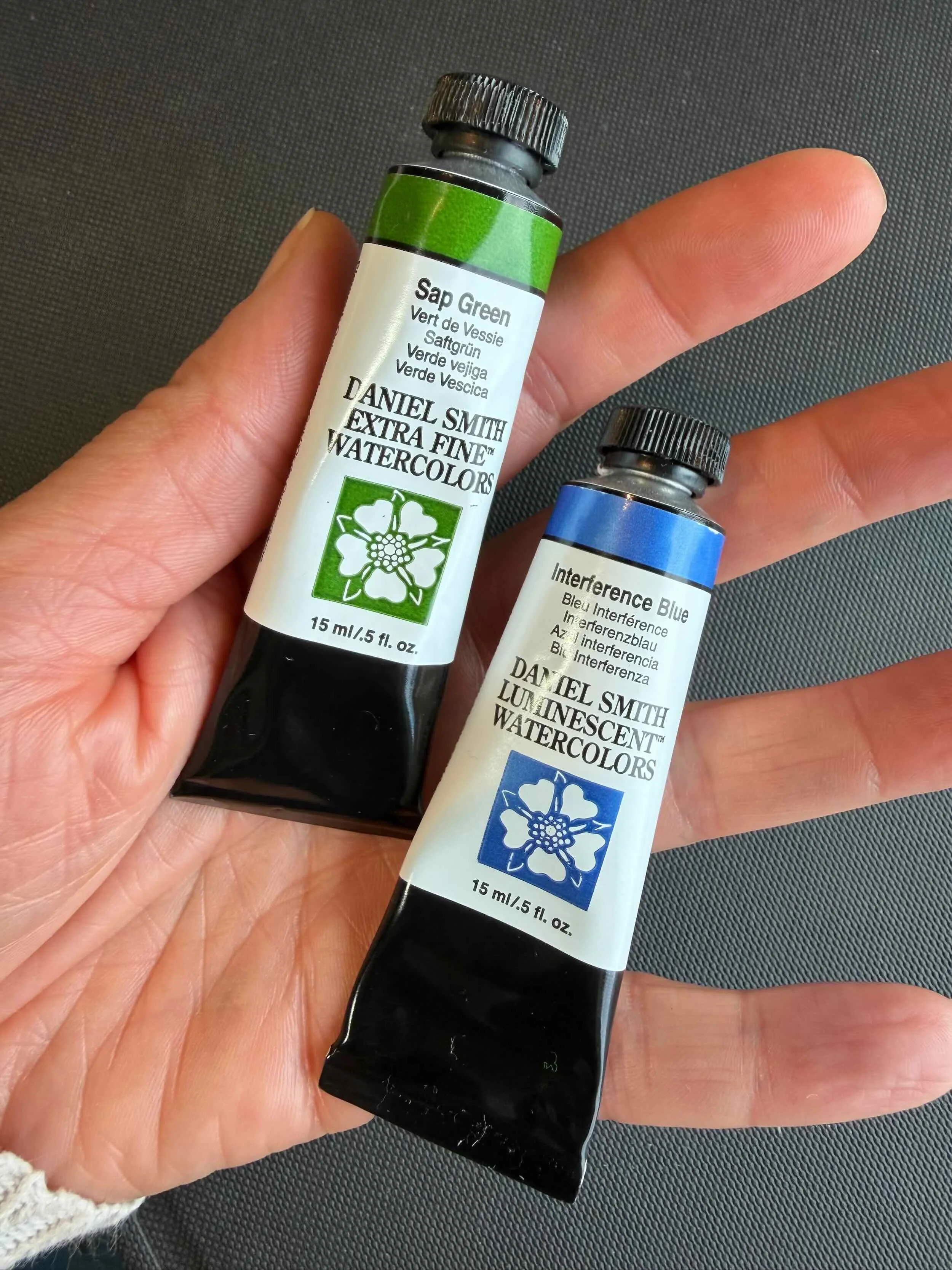
Tubes of my favorite brand of watercolor paint.
Some Art Supplies Are Expensive for a Reason
When you first begin painting, it can feel difficult to justify spending money on art supplies. There are countless inexpensive options available, and it is tempting to assume paint is paint and paper is paper. I certainly felt that way when I started.
Over time, though, I realized that the quality of certain materials can genuinely affect the success of a painting. One example for me has been watercolor paint. I personally enjoy using Daniel Smith paints because they are high quality, reliable, and richly pigmented. The colors remain vibrant, and the paints rarely separate in the tube.
In my early practice, I experimented with several lower-cost brands. Often, I would end up wasting paint because the binder and pigment separated badly, or the finished paintings would fade over time. Unfortunately, there are pieces I created years ago that have become discolored and unusable because of poor-quality materials.
That said, not every tool needs to be top-of-the-line. Sometimes the best texture tool is an old toothbrush or a scrap piece of cardboard. I’ve learned to be thoughtful and discerning about where I spend money. Before purchasing something new, I often research artist blogs, watch demonstrations, or ask artist friends whether a tool is truly worth the investment.
Planning a Painting Saves More Time Than It Takes
This is probably the advice I resisted the longest.
When inspiration strikes, it feels far more exciting to immediately run to the canvas and start painting. Occasionally that spontaneous approach works beautifully, but more often I found myself getting lost in details too early or struggling through sections that should have been solved before I ever started to paint.
Now, I spend much more time planning. I sketch compositions, think through lighting, and consider potential challenges before I begin. Taking those extra steps has saved me an incredible amount of frustration, wasted paint, and abandoned pieces.
Planning does not remove creativity from the process. If anything, it gives creativity a stronger foundation to build upon.
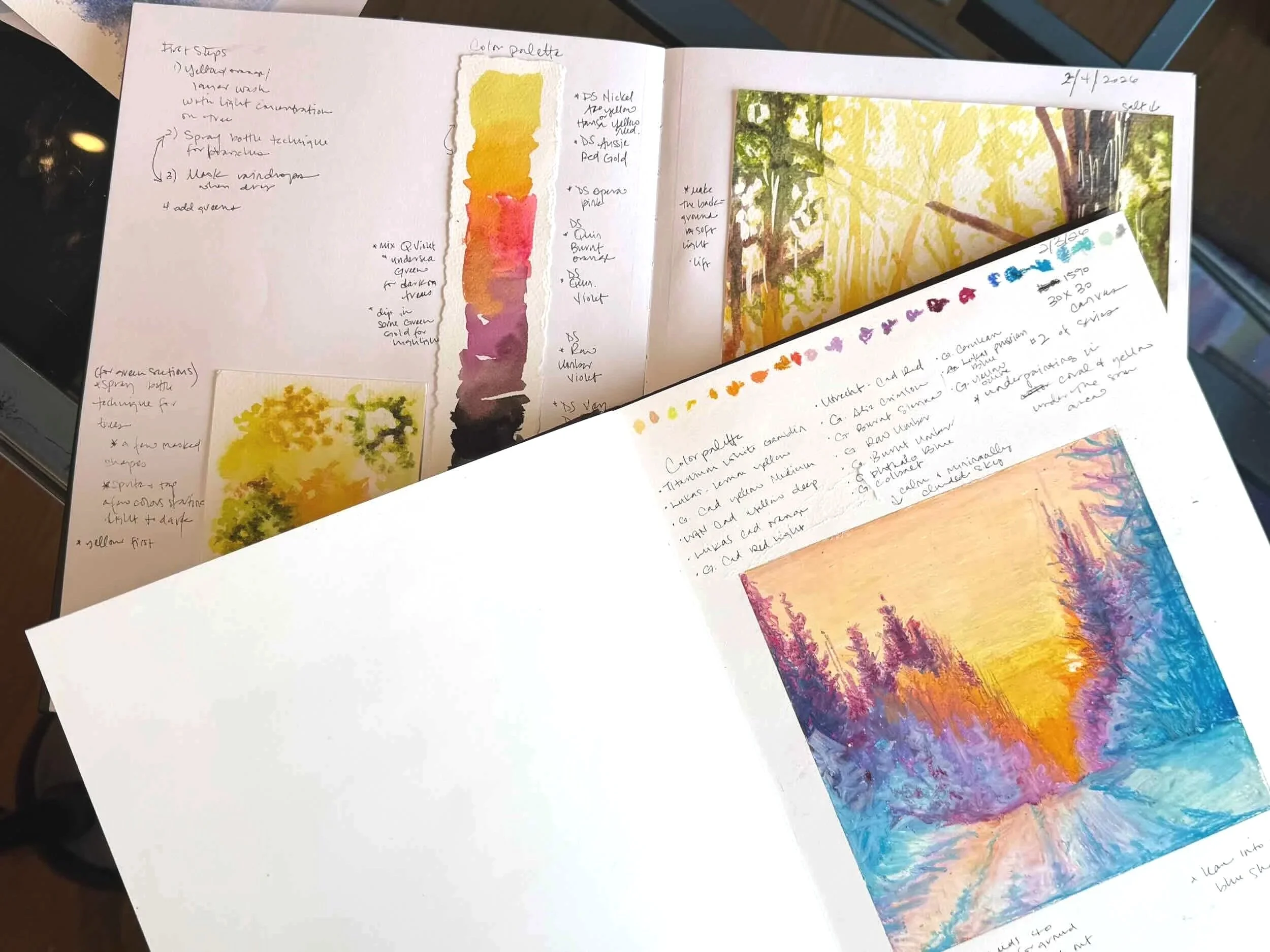
Pages of my watercolor and oil painting planning sketchbooks.
Practice Matters More Than Waiting for Inspiration
Like any skill, painting improves with regular practice.
I used to believe that great artwork only happened when I felt inspired. What I’ve discovered instead is that inspiration often appears after I begin working, not before. Some of my strongest pieces started on days when I did not particularly feel like painting at all.
Life gets busy very quickly. It becomes easy to fill your schedule with responsibilities, errands, and distractions. Before long, weeks or months can pass without touching your supplies. Because of that, I have learned to be intentional and regimented with my creative time.
Even short sessions matter. Showing up consistently matters. The habit of making art is often more important than waiting for the perfect mood.
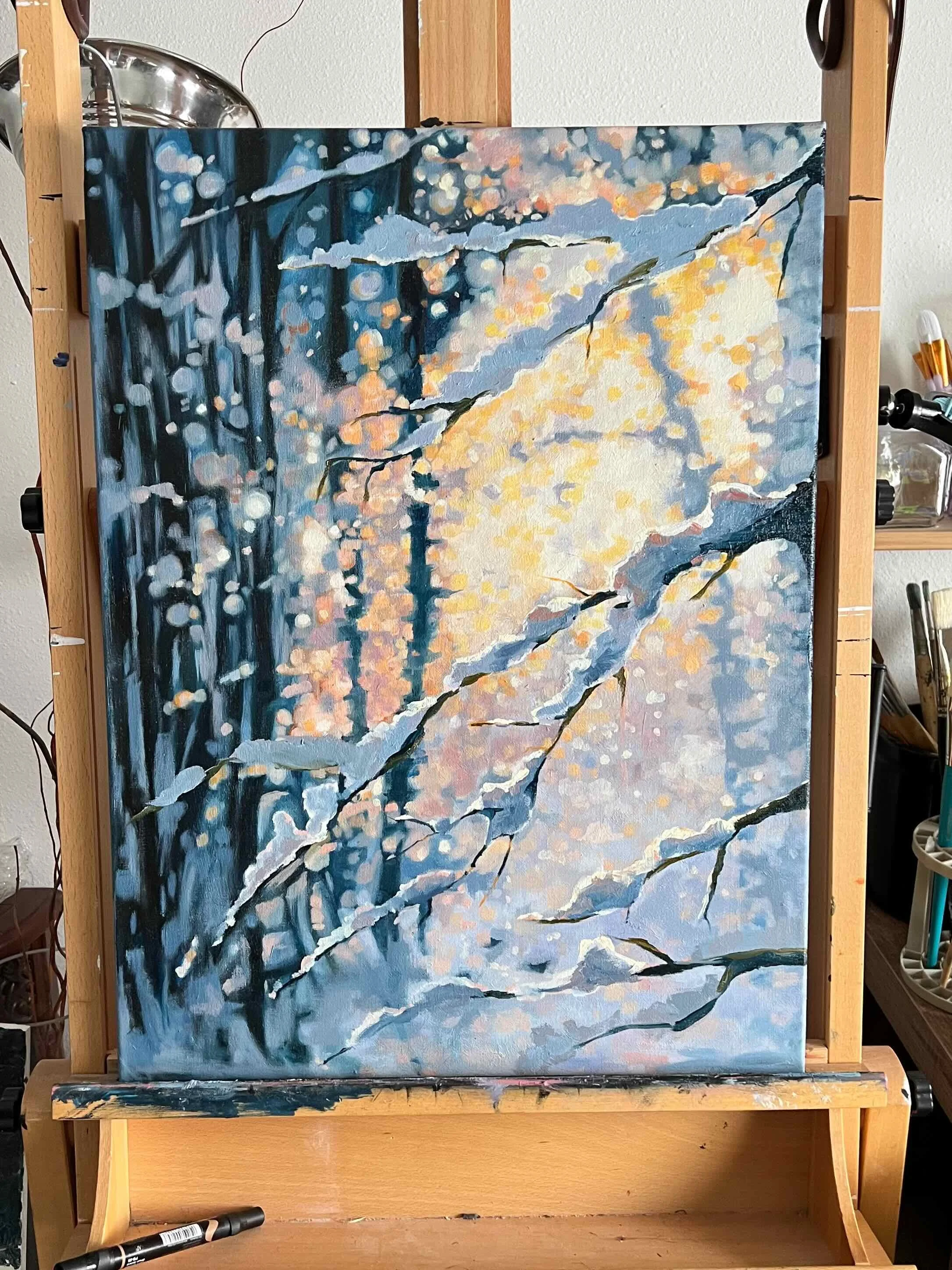
Snowy Branches oil painting in progress.
Find People You Trust to Discuss Your Work With
Creating art can feel deeply personal, which also makes sharing it vulnerable. Still, having trusted people to discuss your work with can be incredibly valuable.
Ideally, you would have a small group of people willing to give thoughtful and honest feedback. Interestingly, they do not always need to be artists themselves. Sometimes a fresh set of eyes can notice something you have completely overlooked.
After staring at a painting for hours, I often lose perspective. I may know something feels wrong without understanding exactly what needs to change. In those moments, talking through the piece with someone else can help tremendously.
I have a few trusted friends and family members who are willing to thoughtfully discuss my work in progress. Sometimes they notice compositional issues, awkward color relationships, or areas where the eye gets stuck. Their outside perspective has helped rescue many paintings that I might otherwise have abandoned.
Use a Bigger Brush Than You Think You Need
This advice sounds simple, but it has changed the way I paint.
Whenever my work starts feeling too tight or overly detailed, switching to a larger brush immediately helps loosen my approach. Bigger brushes force me to simplify shapes and think more about the painting as a whole rather than obsessing over tiny sections.
It encourages more confident strokes and prevents me from overworking areas that were stronger in earlier stages.
Sometimes the solution to a struggling painting is not adding more detail. Sometimes it is stepping back and simplifying.

This larger brush was used to simplify my strokes.
If You Feel Stuck, Walk Away
Not every problem needs to be solved immediately.
When I become frustrated with a painting, I’ve learned that continuing to push through often makes things worse. Instead, I try to walk away for a while. Sometimes I leave the studio for an hour. Sometimes I leave the painting for a day or two.
Another trick that helps surprisingly often is turning the painting upside down. Viewing it from a completely different angle helps reveal compositional problems, awkward proportions, or value issues I could not previously see.
A little distance and a fresh perspective can make the solution suddenly obvious.
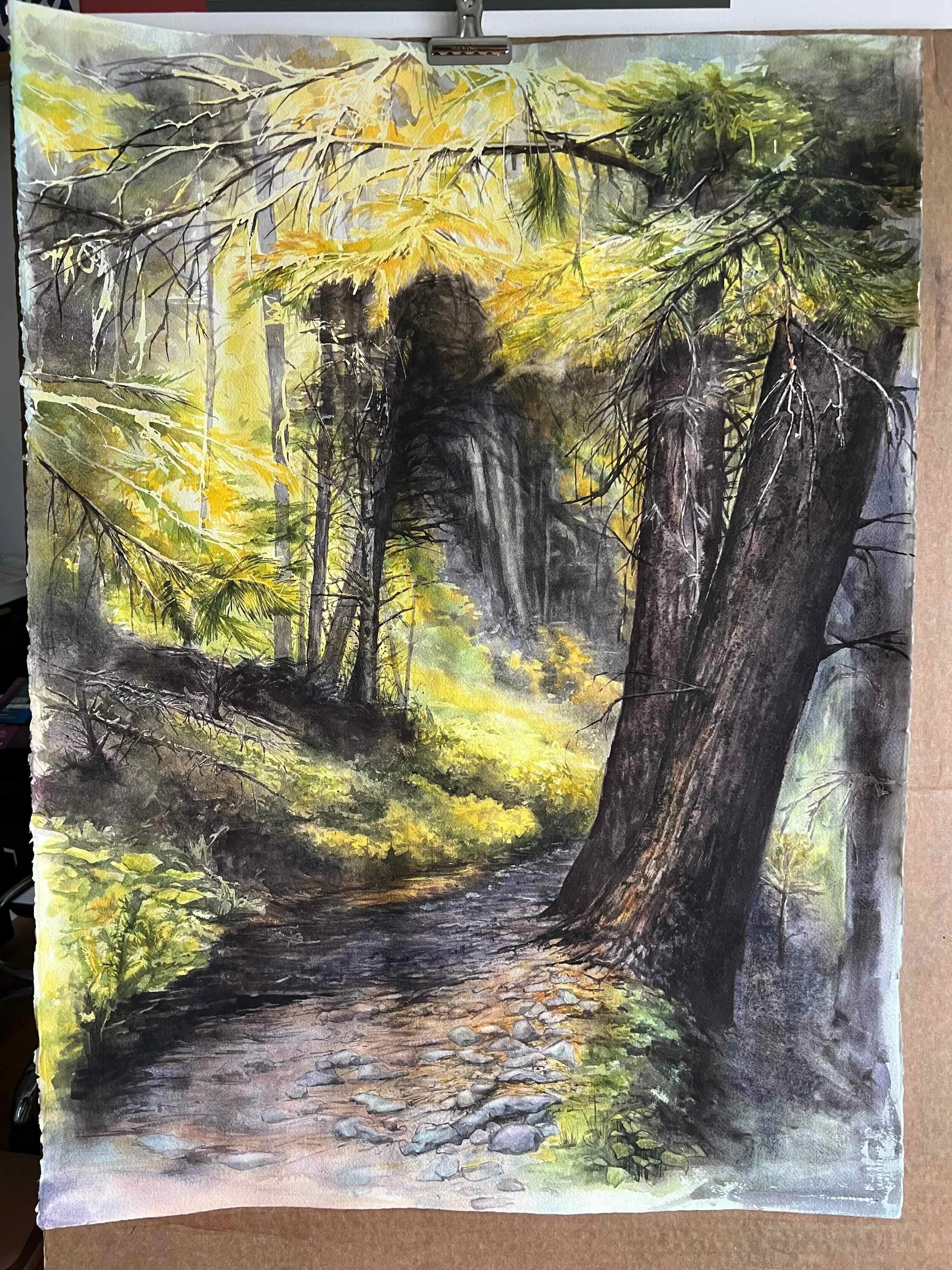
An unfinished watercolor painting that sat on my shelf for months.
Keep Track of Your Ideas
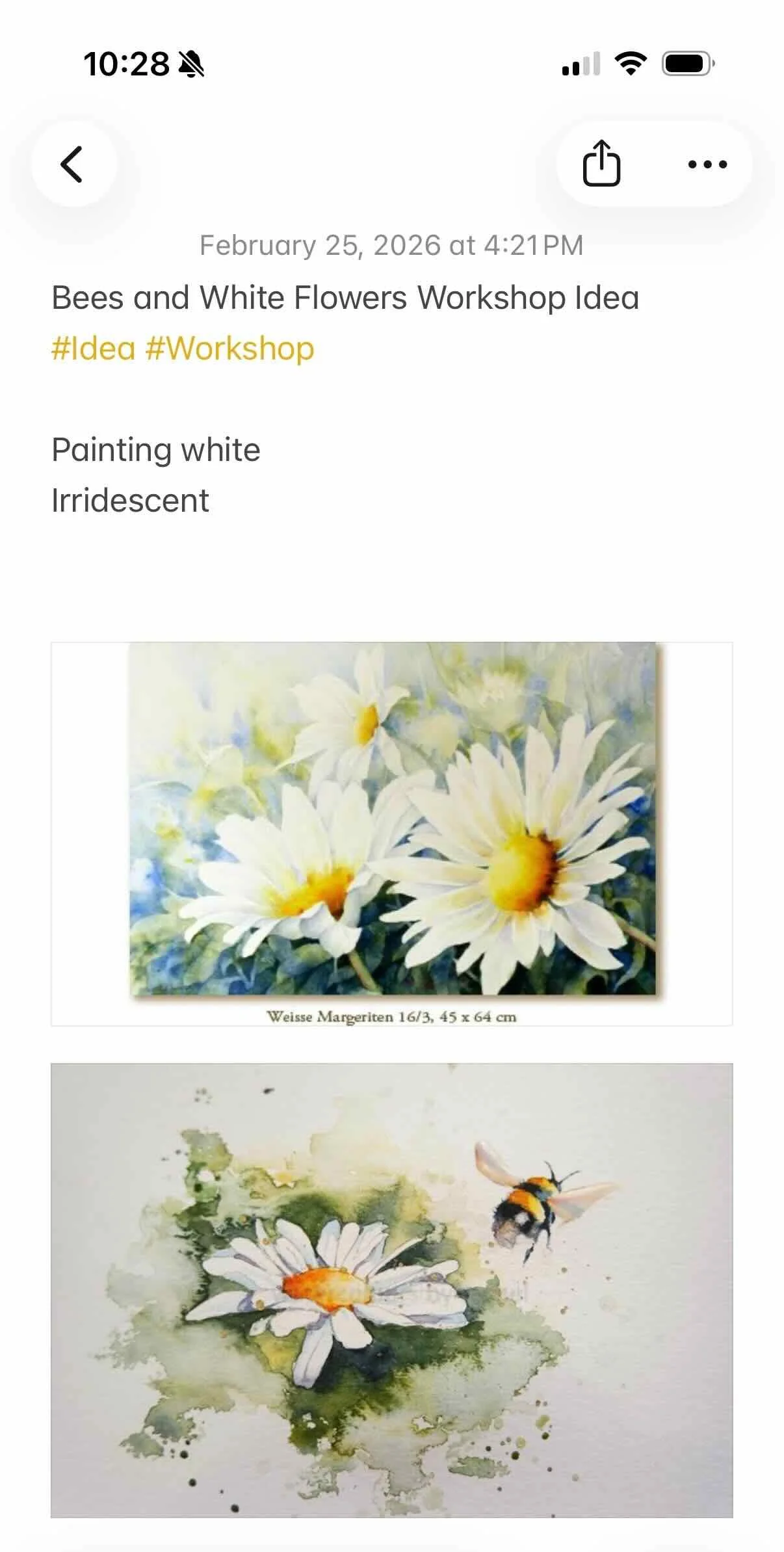
A note from my phone about a workshop idea.
Ideas rarely arrive at convenient times.
Some of my favorite painting concepts have appeared while driving, grocery shopping, or trying to fall asleep at night. Because of that, I use the notes app on my phone or try to keep a notebook nearby.
When inspiration strikes, I document everything as descriptively as possible. Colors, lighting, emotions, composition ideas, textures, even small phrases that capture the mood. I’ve learned that if I trust myself to remember later, I usually won’t.
Not every idea becomes a finished painting, but capturing those moments helps build a library of inspiration to return to later.
Final Thoughts
Painting is a lifelong process of learning, experimenting, and adapting. Even now, I continue discovering new approaches and relearning old lessons. The beautiful thing about art is that growth never really ends.
If you are new to painting, give yourself permission to learn slowly. Some skills take time to develop, and every artist experiences frustration along the way. Keep practicing, stay curious, and allow yourself room to experiment. Often the lessons that feel most discouraging in the moment become the ones that shape your work most deeply later on.
And if you are somewhere in the middle of your own creative journey, I hope a few of these lessons encourage you to keep going. I’d love to hear what advice has helped you most along the way or what lessons you are currently learning in your own art practice.