Beyond the Expected Palette: Exploring Color in My Paintings
One of the things I love most about painting is that there is always something new to discover. No matter how long I spend in the studio, I continue to find unexpected color combinations, surprising relationships between pigments, and new ways to create mood and atmosphere. For me, color mixing isn't just a technical skill—it's a form of exploration.
When many artists first begin painting, they often focus on finding the "right" color. They search for the perfect green for a tree, the exact blue for a mountain lake, or the precise shade of a flower petal. While there is certainly value in observing color carefully, some of the most interesting discoveries happen when we move beyond matching colors and start exploring relationships between them.
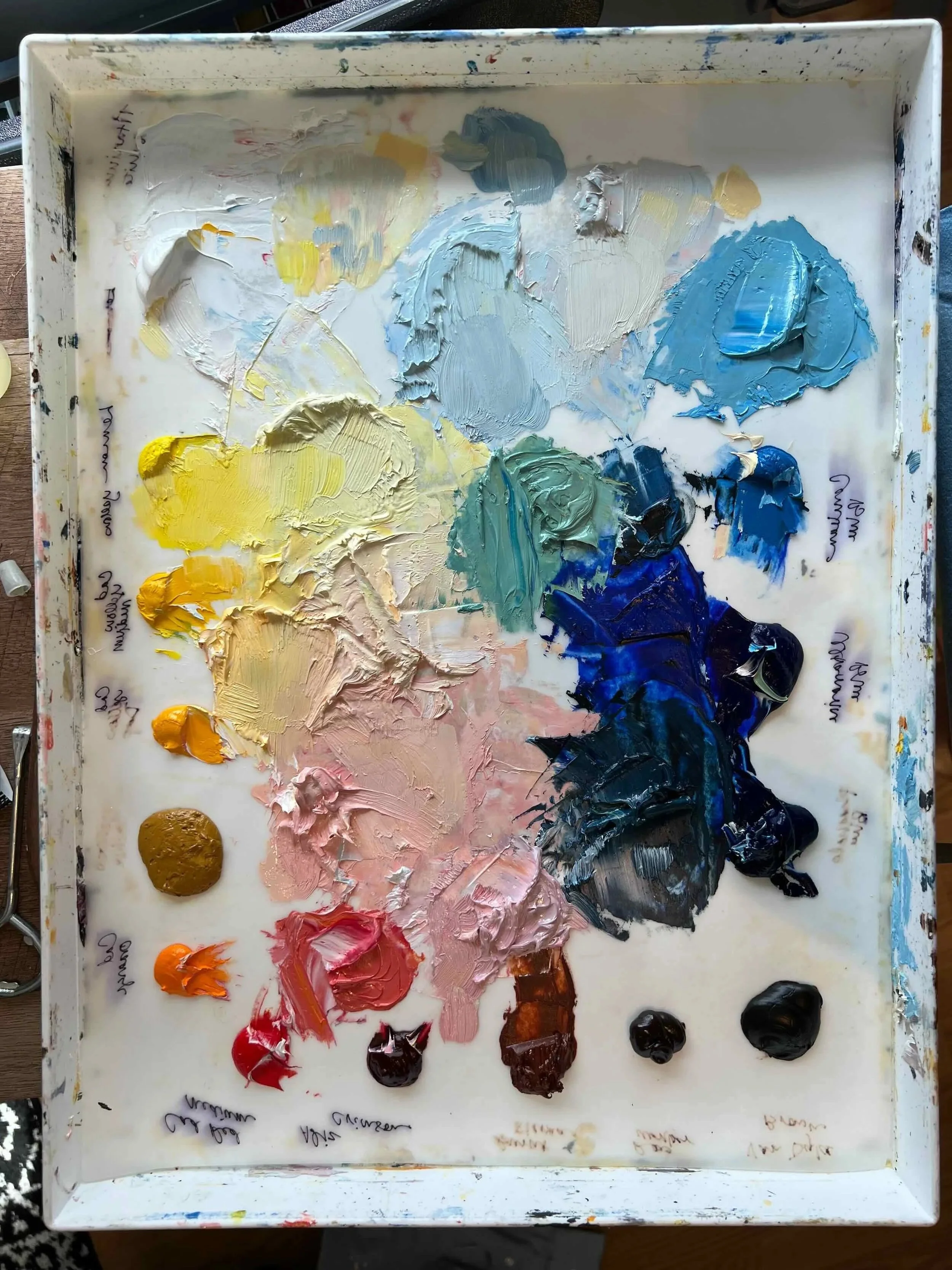
Creating Something Unique
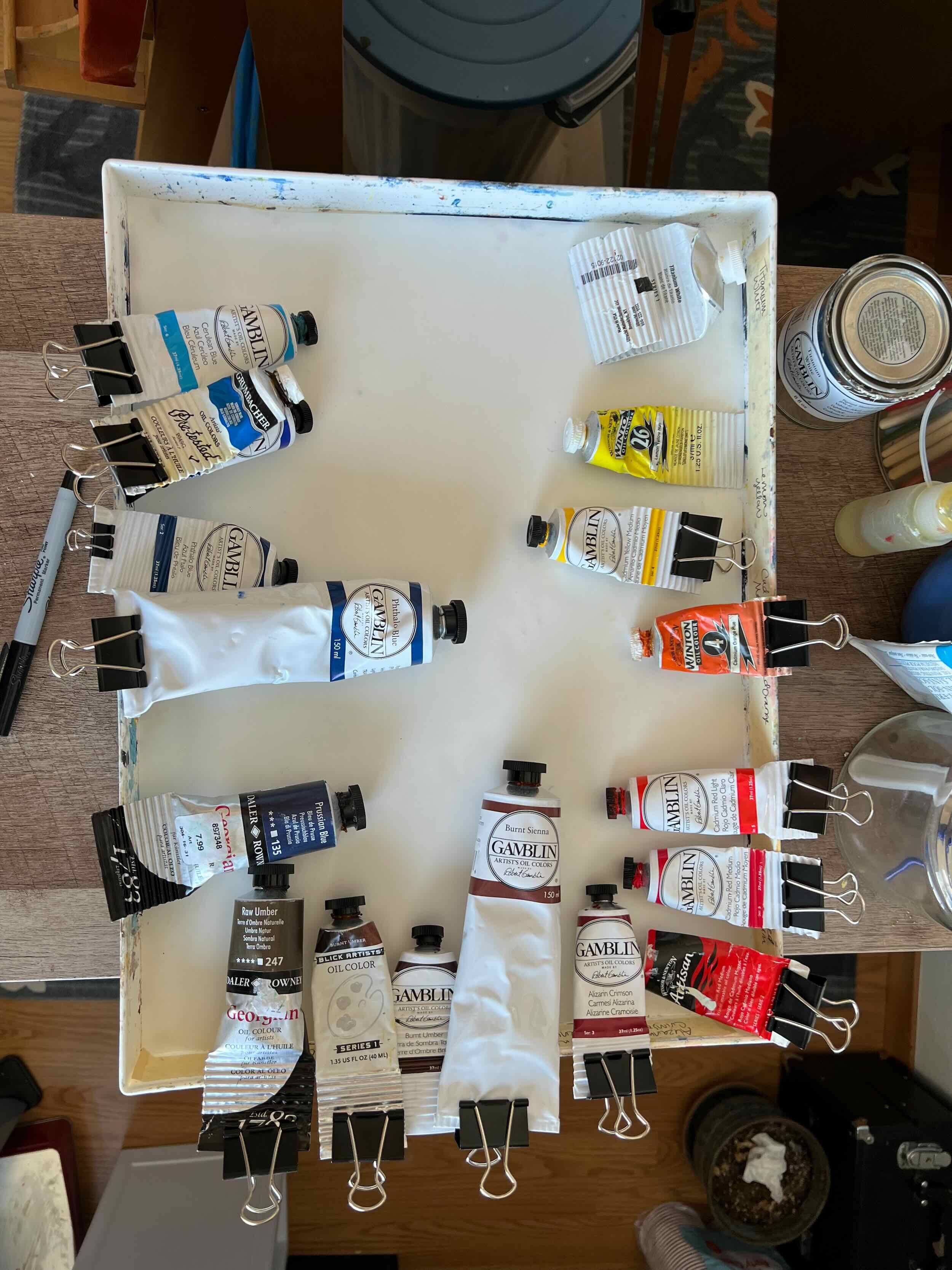
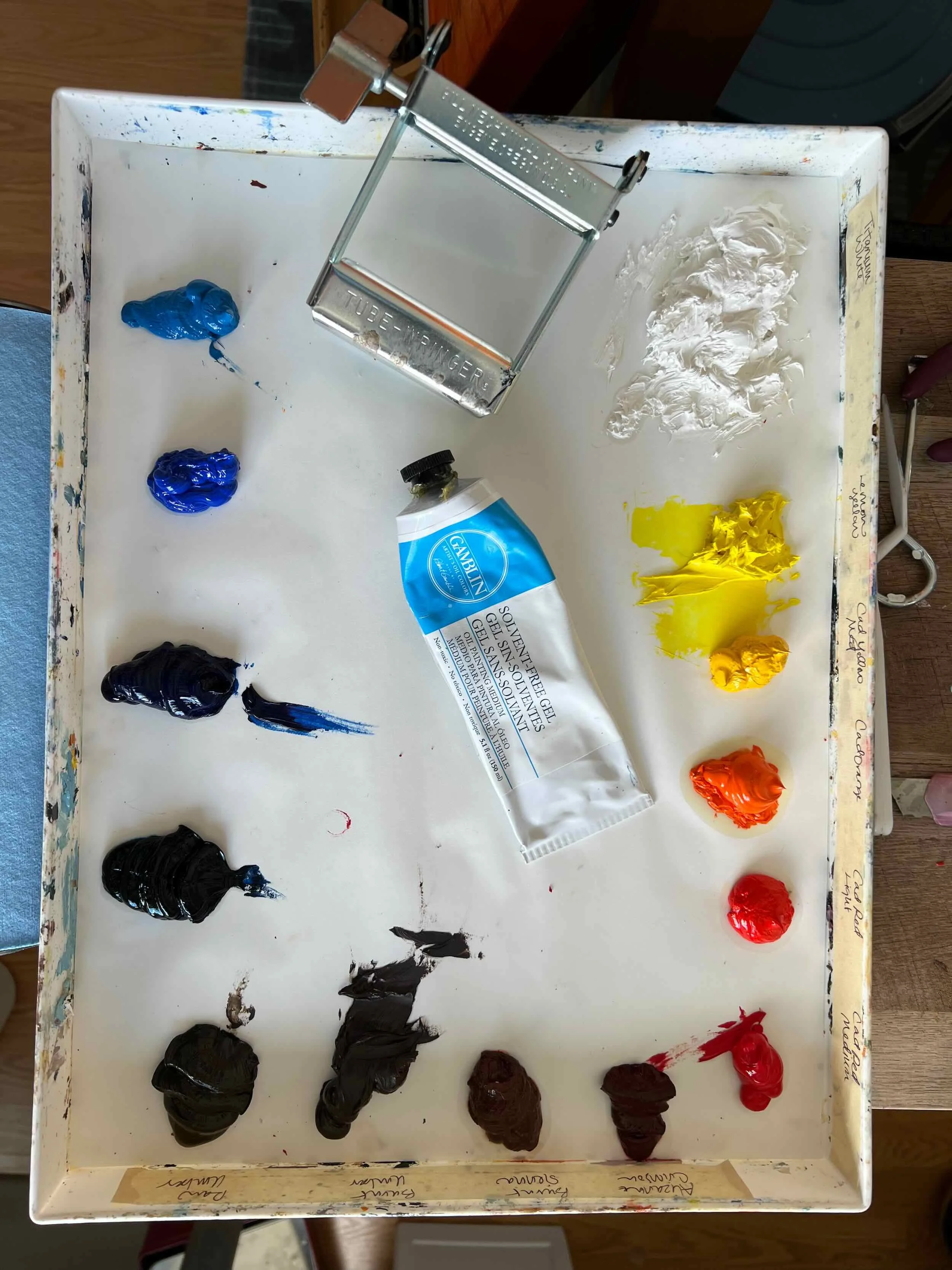
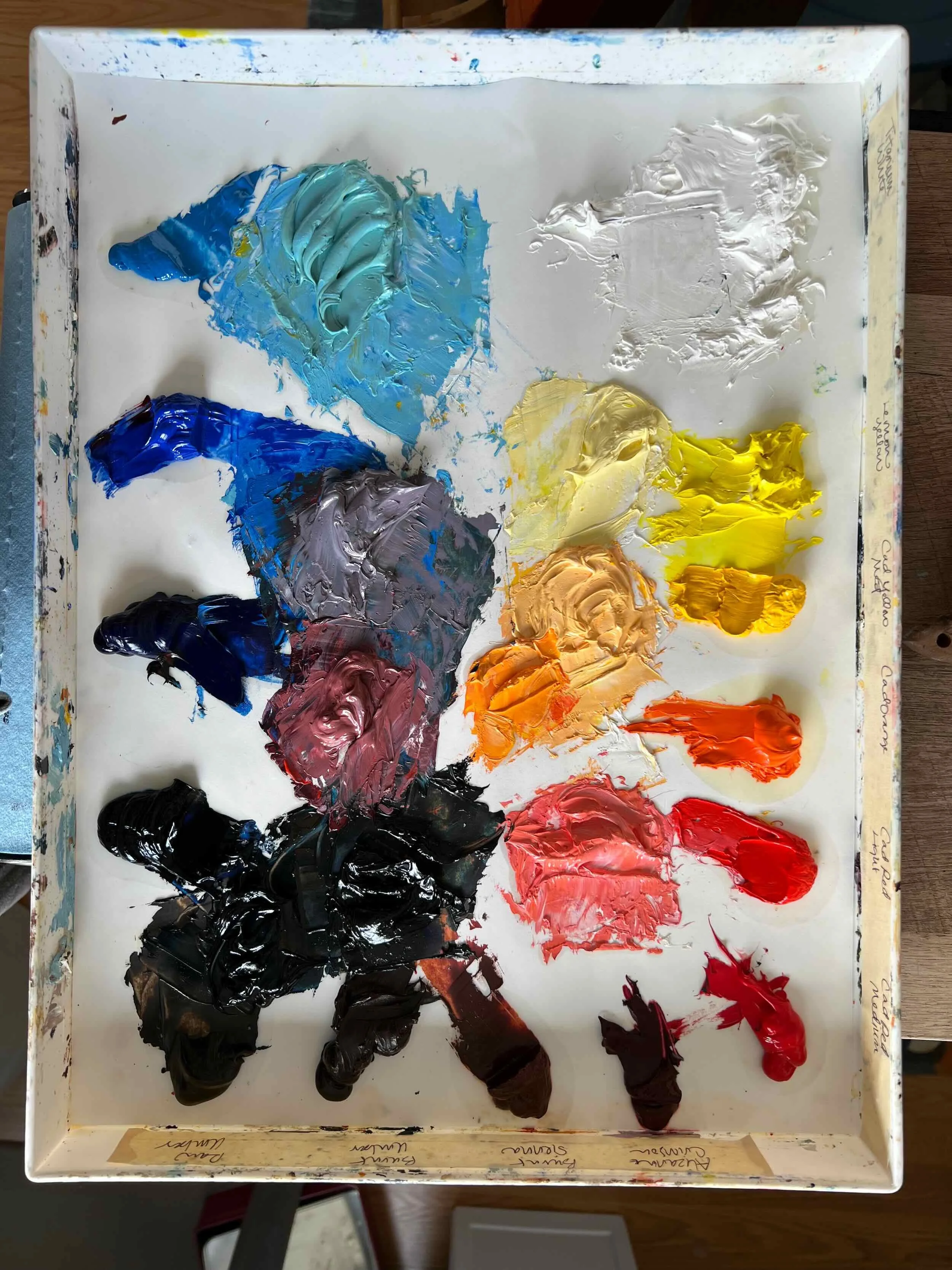
Color mixing allows us to create something unique to each painting. A landscape painted with thoughtfully mixed colors has a different character than one built entirely from colors straight from the tube. Those subtle variations create depth, harmony, and a sense of life that helps a painting feel more personal and expressive.
Over the years, I've learned that curiosity is one of the most valuable tools an artist can bring into the studio. What happens if I add a warm earth tone to a cool blue? How does a muted color make a bright one appear more vibrant? What happens when I intentionally mix colors I wouldn't normally combine? What relationship is created when I lay certain colors next to each other? Questions like these often lead to discoveries that shape future paintings.
Taking Risks with Color
In my oil painting duo Wetland Reverie, I explored a semi-traditional landscape palette of browns, blues, and greens with swathes of turquoise, rose, lavender, sherbet, and lemon. I find the contrast between the dark chocolate and rusty browns is perfectly highlighted by the bold turquoise and lavender. The unexpected color pairings create a sense of energy and movement that a more traditional palette may not have achieved.
As my own practice has progressed, I have started to take bolder risks in color and palette exploration. I find that if I let the color palette dictate the mood and direction of the painting, it becomes easier to create dynamic work. A landscape is not always just layers of blues, browns, and greens but can be alight with bold corals, deep purples, and wispy yellows.
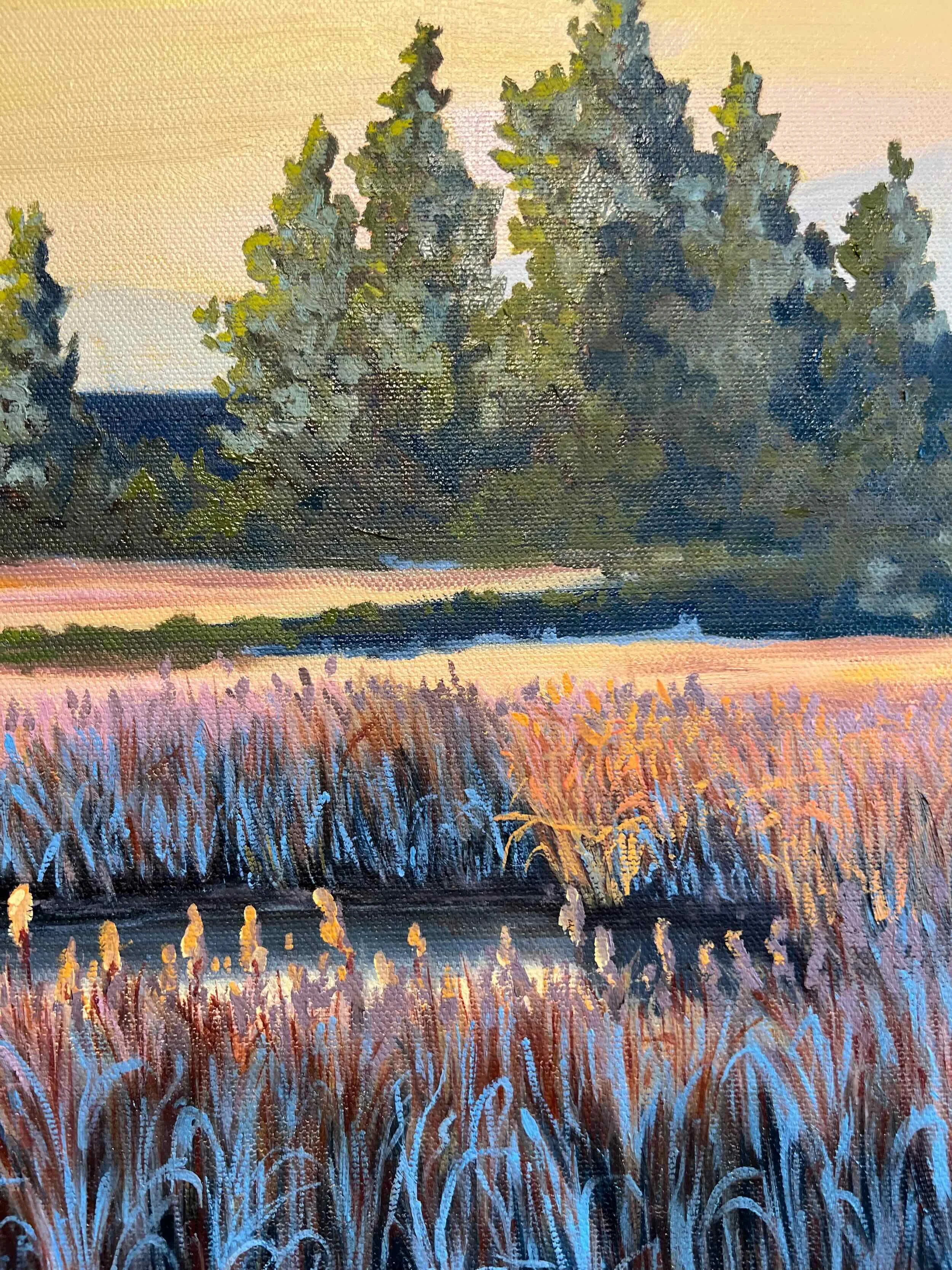
A close up of the oil painting Wetland Reverie by Lindsay Godfrey.
I think this willingness to experiment comes from spending time observing nature. While we often think of landscapes as realistic representations of place, our experience of a landscape is shaped just as much by memory, weather, emotion, and light. The colors I choose are not always meant to replicate exactly what I see but to communicate how a place feels. Sometimes that means pushing a color further than reality would suggest in order to capture a particular mood or sense of wonder.
Unexpected Discoveries
Some of my favorite color mixtures were never planned. They appeared during experimentation, while testing ideas, or while solving a problem within a painting. What began as an accident became a new favorite combination. One such example is the glowing ember color I get when I mix Opera Pink and Hansa Yellow Medium. In my painting Petrichor, I use this mixture where the sun peeks around the tree, creating a luminous warmth that draws the viewer into the scene.
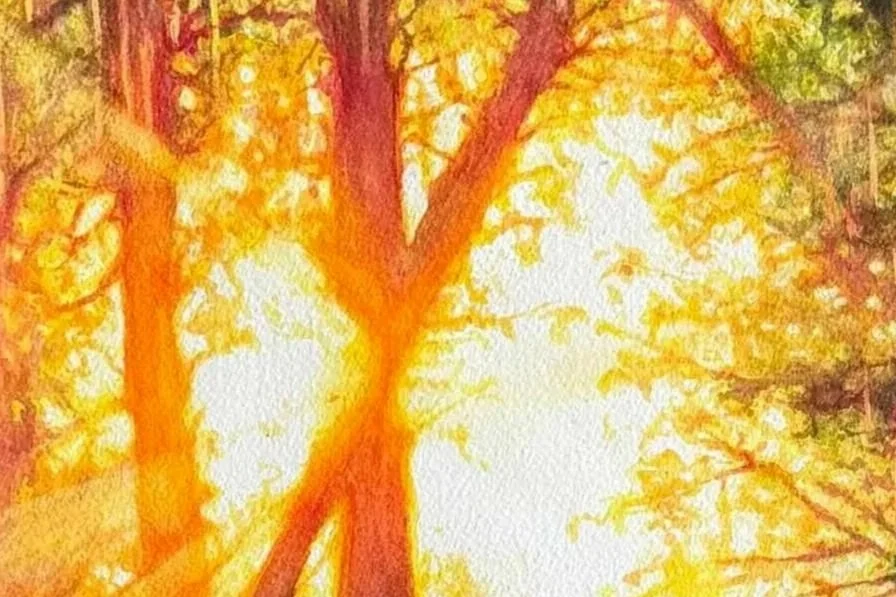
A close up of the watercolor painting Petrichor by Lindsay Godfrey.
These discoveries are one of the reasons I continue to keep color swatches, sketchbooks, and scraps of painted paper around the studio. Not every experiment becomes a finished painting, but every experiment teaches me something. Some of today's tests become tomorrow's favorite palette.
The Reward of Exploration
I often find that some of the most exciting moments in painting occur when I stop trying to control every outcome. Exploration requires a willingness to experiment and sometimes to be surprised. Whether working in watercolor, oil, acrylic, or another medium, color has a way of teaching us something new when we approach it with curiosity.
Color mixing is one of the reasons painting continues to hold my attention year after year. There is always another combination to try, another relationship to explore, and another lesson waiting on the palette. The process never feels fully mastered, and I think that's part of what makes it so rewarding.
The next time you sit down to paint, consider setting aside a few minutes simply to explore. Mix colors you've never combined before, create a few test swatches, or push a favorite mixture in a new direction. Let curiosity guide the process rather than focusing solely on the finished result.
Some of the most beautiful colors I've ever used weren't planned—they were found through exploration.