When I look back at some of my earlier oil paintings, I can see how much my approach to the medium has changed. Not necessarily in the subjects I choose or even what initially draws me to a painting, but in the way I approach the canvas, make decisions, and work with the paint itself.
Like most things in art, developing a technique takes time. There is a lot of experimenting, some trial and error, and plenty of learning along the way. My approach to oil painting today is quite different from when I first started, and much of that change has come through experience, observation, and a willingness to reconsider how I work.
A More Intentional Beginning
One of the biggest changes has been what happens before I ever pick up a brush.
When I first started painting in oils, I was much more spontaneous. I didn't spend much time sketching or planning a composition. Sometimes I would simply begin painting directly on the canvas, occasionally without even establishing an underpainting first. I often started with one section of the painting and worked outward from there.
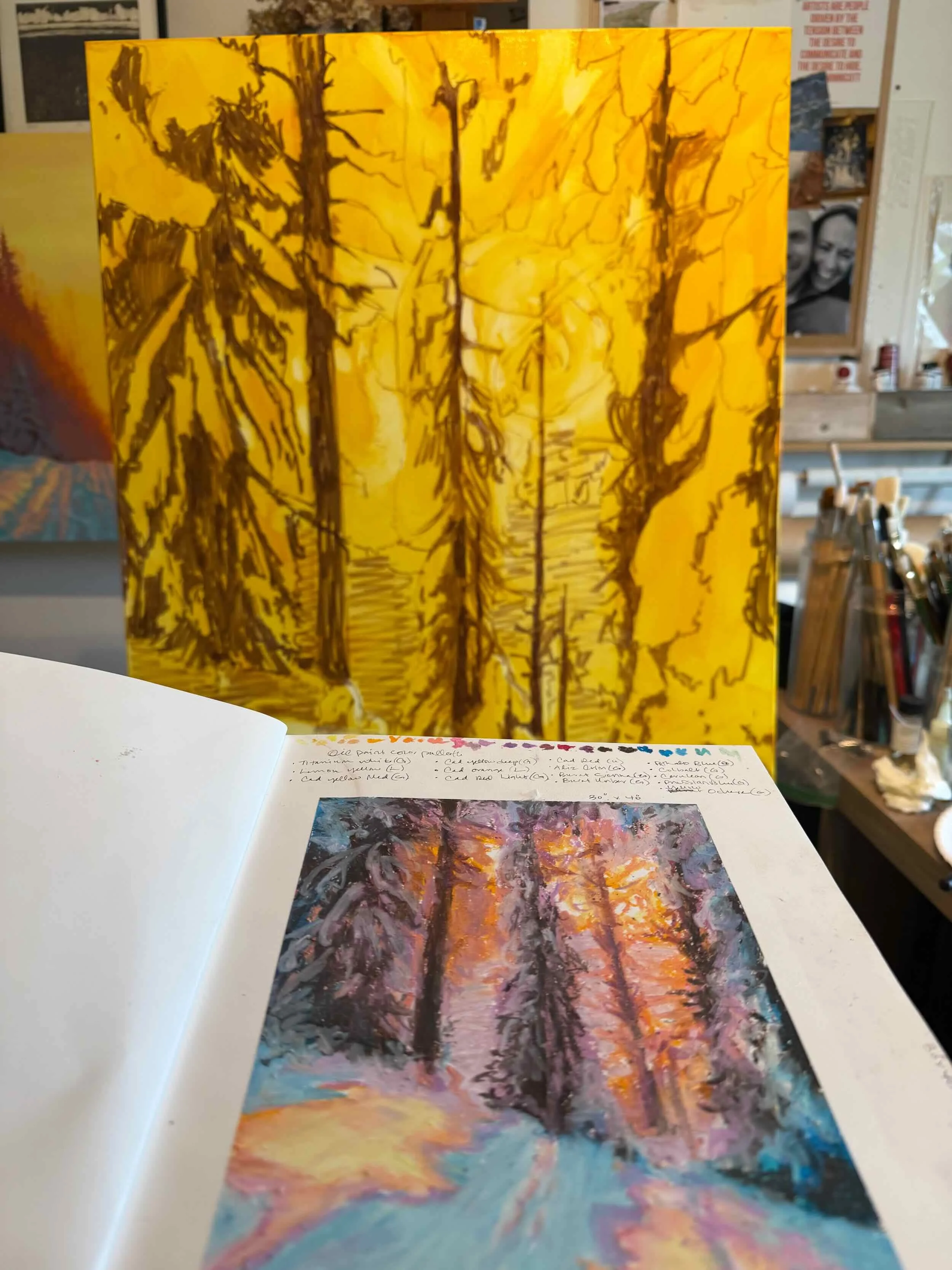
Today, I approach the beginning quite differently. I take more time to sketch, gather reference material, and work through my ideas before starting. I want to have a better understanding of the composition and the overall direction of the painting before committing to the canvas.
This preparation doesn't mean every decision is predetermined. There is still room for experimentation and unexpected discoveries, but having a plan gives me a stronger foundation to work from.
Developing a More Personal Approach to Color
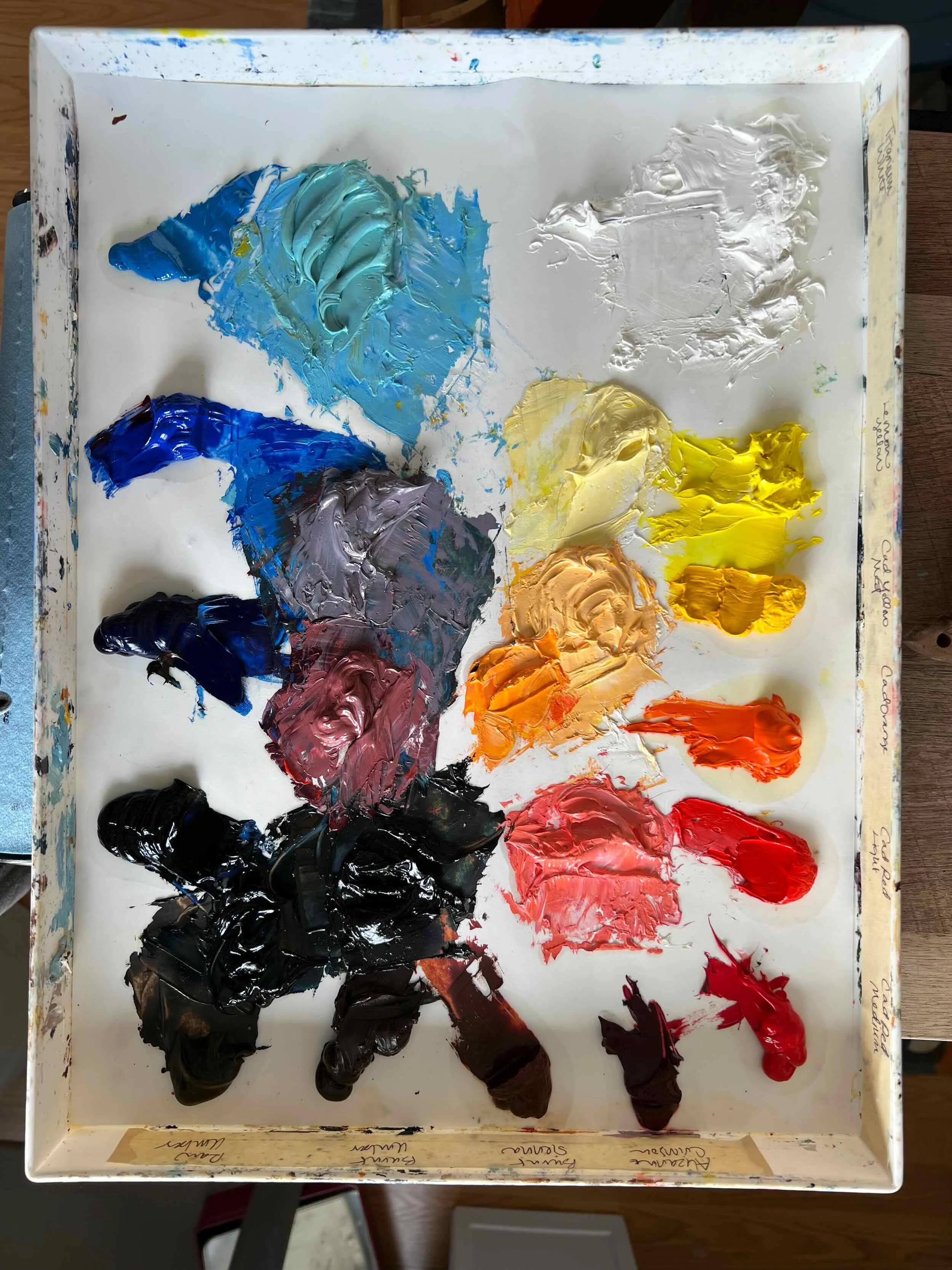
My relationship with color has changed considerably, too. In my earlier work, I relied much more heavily on paint straight from the tube. While there is nothing wrong with using those colors, I now spend considerably more time mixing my own.
I enjoy the process of creating the colors I need rather than relying on what comes ready-made. It gives me more control over the relationships between colors and allows me to develop a palette that feels more intentional.
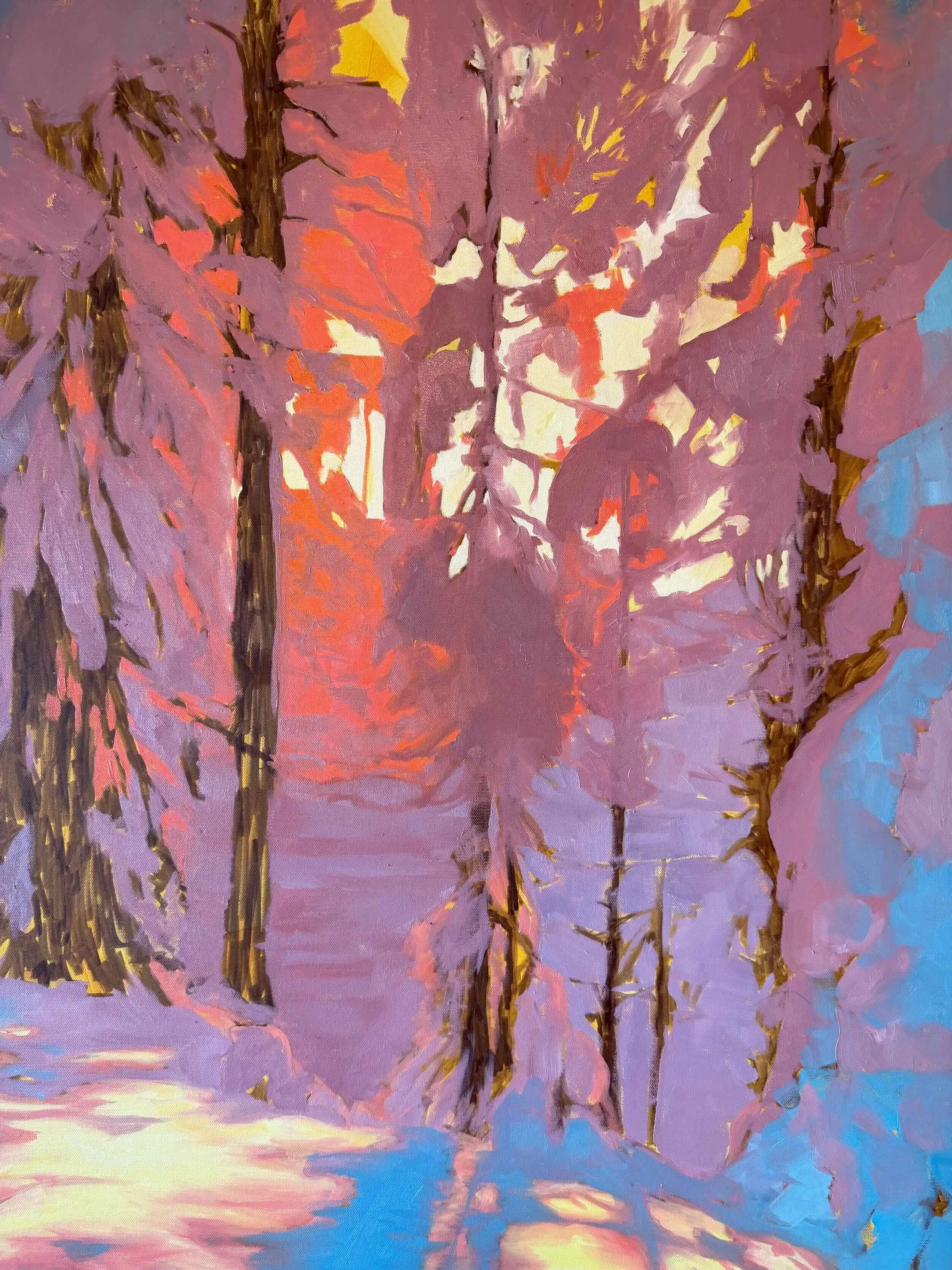
I've also become bolder with my color choices. I'm more willing to push a color, exaggerate a relationship, or move away from exactly what I see in a reference photograph. I'm learning that color doesn't always need to be literal to feel believable. Sometimes a more unexpected color choice is what gives a painting its character.
Seeing the Whole Painting
Perhaps one of the most significant technical changes has been how I approach the canvas once I begin painting.
I used to start in one area and work outward, developing one section at a time. My process now is much more comprehensive. I typically begin with the background and work across the entire painting, gradually building values and developing the different areas together.
This allows me to pay attention to how the elements relate to one another rather than becoming too focused on individual sections. I can evaluate the balance of light and dark, make adjustments as the painting develops, and keep the overall composition in mind.
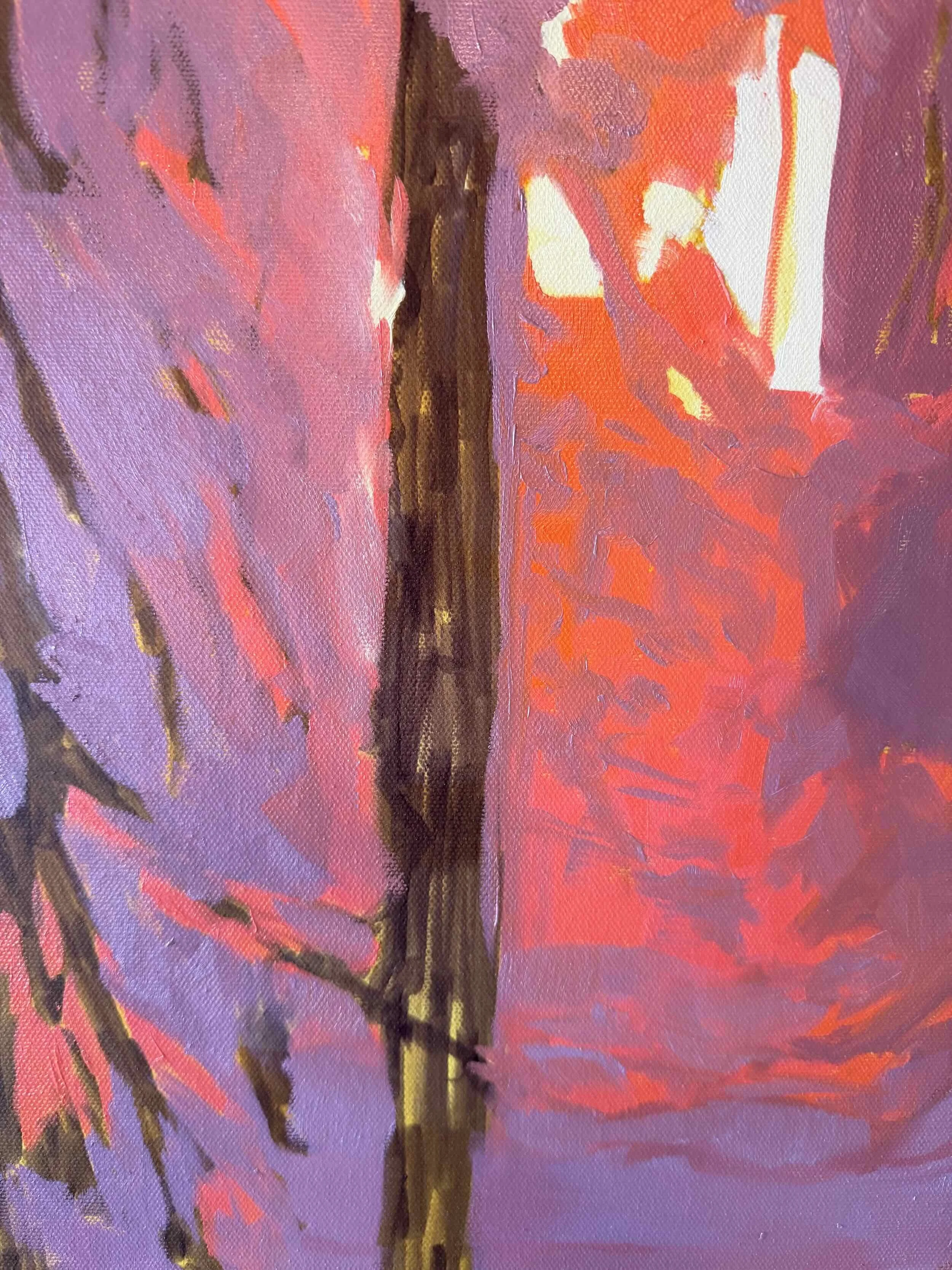
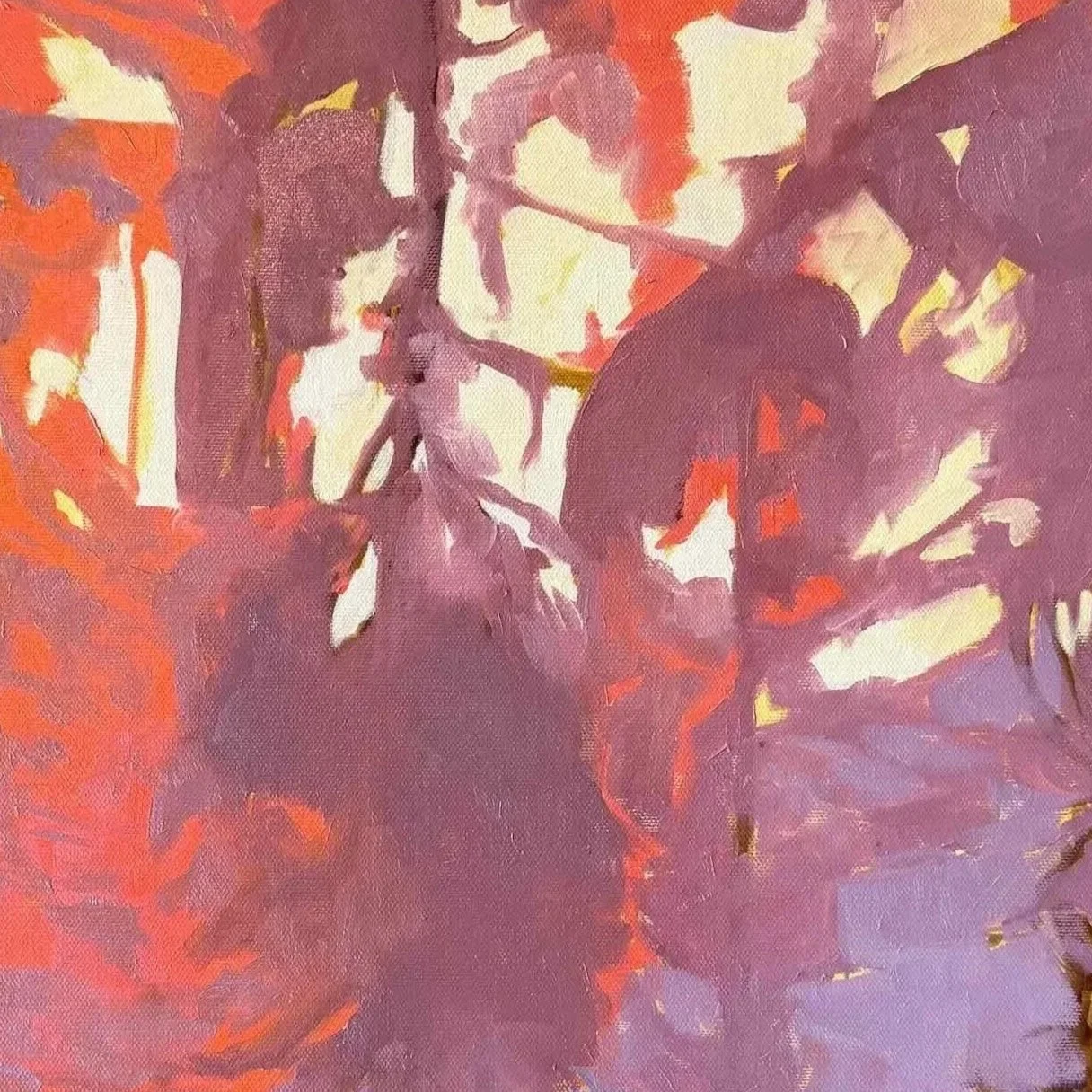
I've also become more deliberate about my brushstrokes. Rather than thinking of them simply as a way to apply paint, I consider how they contribute to the painting itself. The direction, size, and character of a stroke can help describe form, suggest texture, or add detail. I'm paying closer attention to how I use the brush and how much I allow the paint to speak for itself.
Learning Through Experience and Teaching
A lot of these changes have come simply through time and experience. The more I paint, the more I understand my materials, recognize problems, and discover different ways to approach them. Studying other artists' work has also influenced my thinking. Observing how other painters handle color, composition, light, and brushwork gives me new things to consider and experiment with in my own studio.
Interestingly, teaching has become another important part of my development. Whether I'm teaching art to schoolchildren or leading a watercolor workshop, explaining artistic concepts to someone else often makes me think more critically about my own work.
When you teach, you have to break things down into smaller, understandable steps. You begin to recognize why certain techniques work, where common difficulties arise, and what elements are important to address. Sometimes those observations make me realize there are things I should be paying more attention to in my own paintings.
Teaching has become a bit of a mirror for my own practice. It reinforces what I've learned while occasionally highlighting areas where I still have room to grow.
Always Something More to Learn
I don't think of my current approach as a finished or perfected process. If anything, I hope it continues to change. There are always new techniques to explore, different ways to handle paint, and ideas that challenge what I think I know.
Looking back, I can appreciate how much my oil painting technique has developed, but I'm equally interested in where it might go next. Experience has given me more confidence in my decisions, but it has also made me more aware of the possibilities I haven't explored.
For me, that is one of the most rewarding parts of maintaining an artistic practice. There is always something more to learn, something to reconsider, and another opportunity to approach the canvas a little differently.
If you'd like to see how my approach to oil painting has translated into finished work, I invite you to visit my online gallery and explore my collection of original paintings.